The German Shepherd is barely 125 years old. That makes it younger than the lightbulb, younger than the telephone, younger than the Eiffel Tower. Yet no other breed has shaped modern working-dog culture the way this one has: from the trenches of World War I to Hollywood soundstages, Cold War border patrols, and Ground Zero search teams.
Most breeds evolved slowly over centuries. The breed was engineered in a single generation by one man with a very specific vision. This is the story of how that happened.
Before the Breed: Germany’s Herding Dogs
Before 1899, the breed did not exist. There were German shepherding dogs, dozens of regional varieties scattered across the German states. In Thuringia, the dogs tended to be stocky and wolf-gray. In Württemberg, they ran taller with heavier bone. In Bavaria, something else entirely. Each district had its own type, bred by shepherds who cared about function and nothing else.
These dogs were fast, responsive, and tireless. They could manage flocks across open grazing land in a way that impressed anyone who watched them work. But there was no breed standard, no registry, no consistency from one region to the next. A “shepherd’s dog” from Stuttgart might look nothing like one from Frankfurt.
By the late 1800s, industrialization was shrinking Germany’s pastoral economy. Fewer flocks meant fewer herding dogs needed. The qualities that made these dogs exceptional (intelligence, trainability, physical endurance, steady nerves) risked disappearing along with the flocks they worked.
A few German fanciers formed the Phylax Society in 1891, an early attempt to standardize native dog breeds. It dissolved within three years, torn apart by disagreements over whether to breed for working ability or appearance. That debate, remarkably, is still going on today.
But the Phylax Society planted a seed. Among those watching with interest was a young cavalry officer named Max von Stephanitz.
Max von Stephanitz and the Birth of the Breed
Max Emil Friedrich von Stephanitz was born on December 30, 1864, into a family with enough standing to send him through military academy and into the German cavalry. He spent years studying animal husbandry and veterinary science at the Berlin Veterinary College, and he admired the native herding dogs he encountered during military postings across Germany.
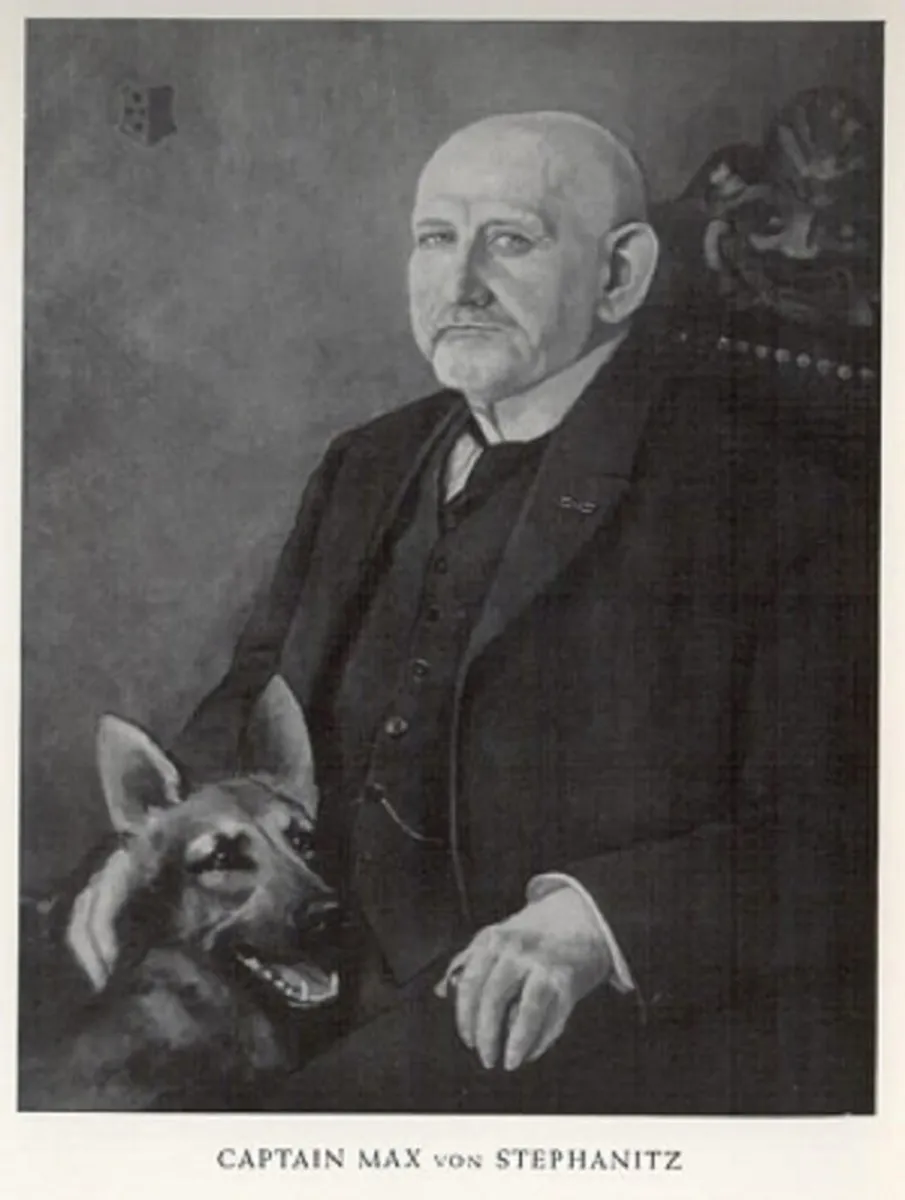
Von Stephanitz was not interested in creating a pretty dog. He wanted to build the ideal working dog. Not only for herding, but for any task that demanded intelligence, physical capability, and trainability. His guiding principle was direct: Utility and intelligence.
In 1899, von Stephanitz attended a dog show with his friend Arthur Meyer. One dog stopped him cold. Medium-sized, wolf-like in appearance, alert expression, easy and powerful gait. Its name was Hektor Linksrhein.
Von Stephanitz bought Hektor on the spot and renamed him Horand von Grafrath.
The AKC’s history of the breed traces the entire bloodline back to this single dog. Every Shepherd alive today descends from Horand, registered as SZ 1, the first entry in the breed book of the Verein für Deutsche Schäferhunde.
On April 22, 1899, von Stephanitz and Arthur Meyer founded the Verein für Deutsche Schäferhunde, the SV, the breed’s parent club. Horand became the genetic foundation of the entire breed.
Von Stephanitz controlled the SV’s breeding direction with extraordinary discipline. He personally selected stud dogs. He established breed surveys (Körung) that evaluated not just structure but working ability and temperament. Dogs that failed the temperament test did not breed — no matter how they looked.
The SV grew into the largest single-breed club in the world, a position it still holds, with roughly 50,000 to 60,000 members in around 1,800 local groups across Germany. Von Stephanitz shaped the breed for over three decades, refining it relentlessly until his death on April 22, 1936, exactly 37 years after founding the SV.
World War I: The Breed Proves Itself
When the First World War broke out in 1914, von Stephanitz saw both a crisis and an opportunity. German shepherding work was declining. Military service could prove that the breed’s intelligence and trainability had applications far beyond managing sheep.
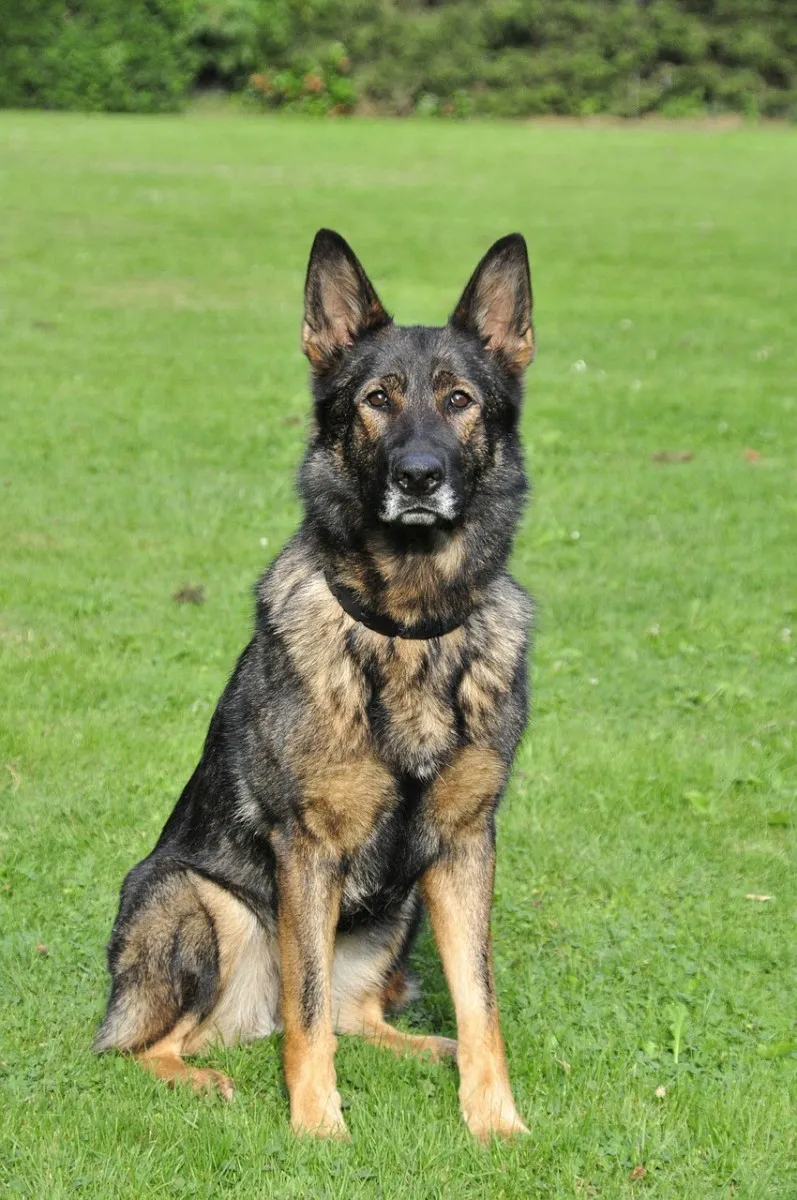
Germany deployed roughly 30,000 dogs during the war, starting with around 6,000 trained animals. Shepherds dominated the ranks. Their roles were varied and often dangerous:
Messenger dogs carried dispatches between units where telephone lines had been cut and human runners could not survive. A fast, low-profile dog could cross a shelled landscape faster and more quietly than a man.
Sanitätshunde (mercy dogs) carried first aid supplies and were trained to locate wounded soldiers on the battlefield. When they found a wounded man, they retrieved a personal item, often a cap, and carried it back to the medics, then led them to the casualty. It was among the earliest examples of trained search-and-rescue work.
Sentry dogs stood guard in the trenches, detecting approaching enemies long before human senses could. Supply carriers hauled ammunition and equipment through terrain too rough for vehicles.
The war proved von Stephanitz’s core thesis: the breed was not just a herding dog. It was a universal working dog, adaptable to whatever humans needed it to do.
Allied soldiers (British, French, and American) saw these dogs in action and were astonished. Many brought dogs home when the war ended. The breed’s international expansion had begun.
Hollywood and the Rise to Fame
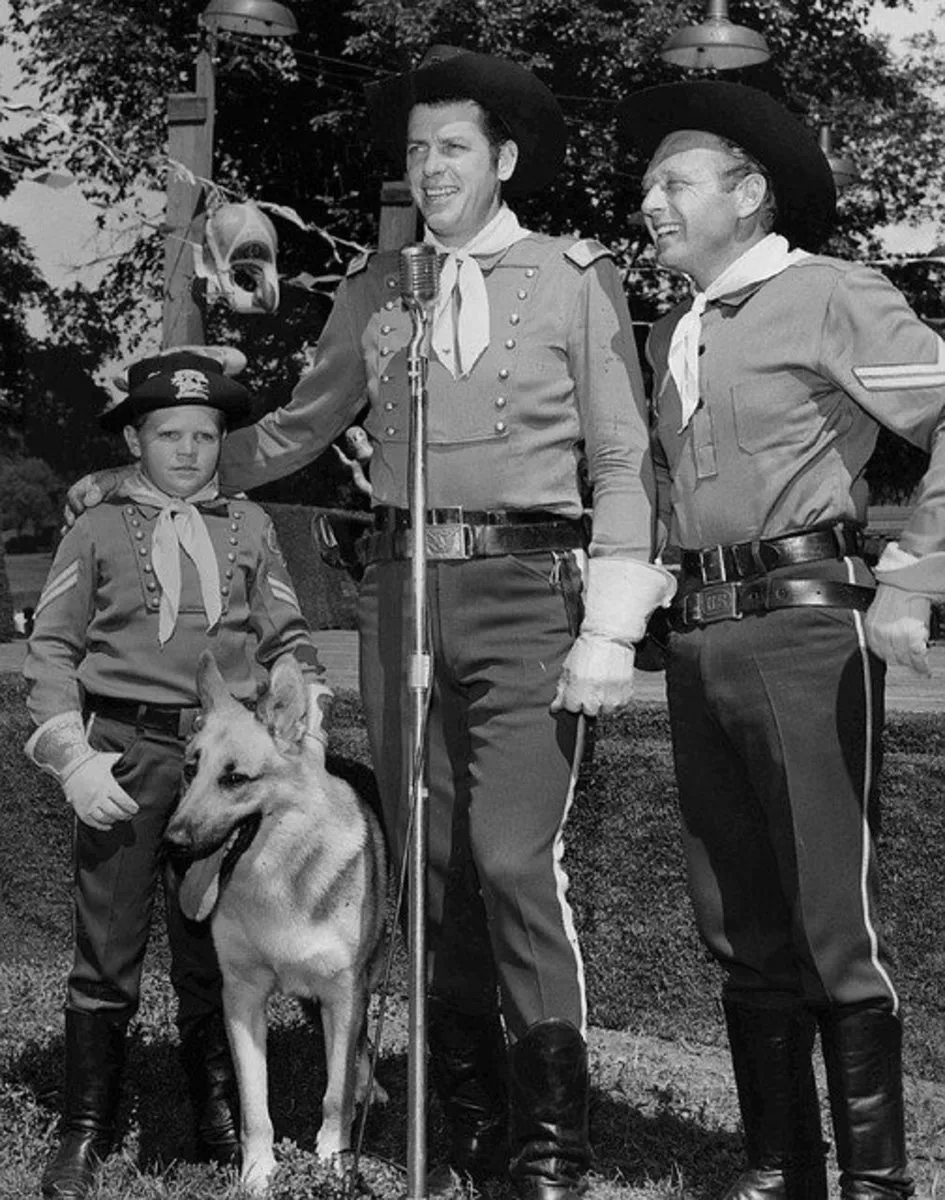
Two dogs turned the Shepherd from a respected working dog into an American obsession.
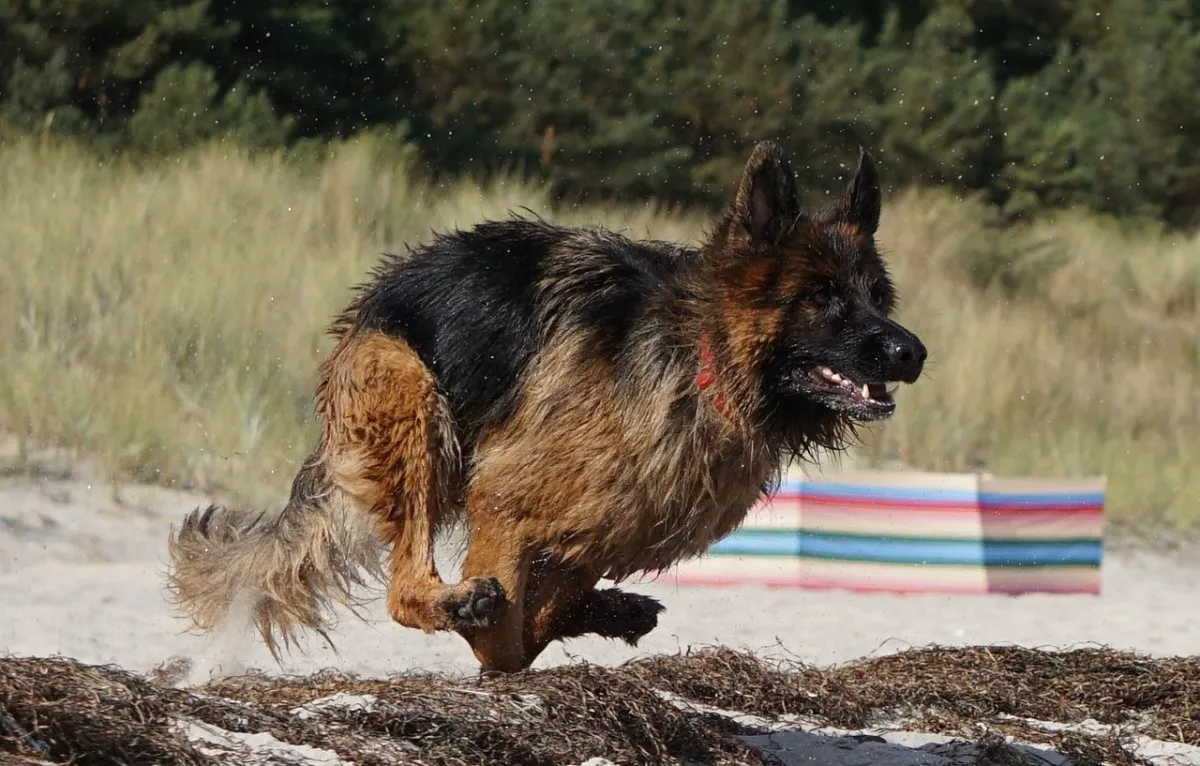
Strongheart came first. Born on October 1, 1917, as Etzel von Oeringen, he was trained as a police and military dog in Germany before American filmmaker Laurence Trimble brought him to the United States. Trimble spent months retraining the dog from attack work to film work, a transition that required enormous patience and skill.
Strongheart’s debut, The Silent Call (1921), made him the first canine movie star. He went on to appear in several films and earned a star on the Hollywood Walk of Fame, one of only three dogs ever given that honor. Strongheart died on June 24, 1929, from injuries sustained after bumping into a studio light.
Rin Tin Tin arrived on screen a year later, but his origin story reads like a screenplay itself. On September 15, 1918, Corporal Lee Duncan of the U.S. Army was searching a bombed-out German K-9 kennel near Flirey, France, during the Battle of Saint-Mihiel. Inside the rubble, he found a Shepherd mother and her litter. Duncan kept two puppies, naming them Rin Tin Tin and Nénette after the small yarn dolls that French children gave American soldiers as good-luck charms.
Nénette died shortly after the war. Rin Tin Tin survived the Atlantic crossing and ended up in Los Angeles, where Duncan trained him relentlessly. The dog’s film debut came in The Man from Hell’s River (1922), but his first starring role in Where the North Begins (1923) changed everything.
Warner Bros. was struggling financially when they signed Rin Tin Tin. The dog’s films generated such reliable box office returns that he is widely credited with saving the studio from bankruptcy. Over his career, Rin Tin Tin appeared in 27 films. He was, by many accounts, the biggest movie star in America, human or otherwise.
These two dogs did more than entertain. They demonstrated the breed’s intelligence, expressiveness, and trainability to millions of people who had never seen a Shepherd before. AKC registrations surged through the 1920s and never fully came back down.
The “Alsatian” Controversy
War creates strange consequences. In 1917, with anti-German sentiment running high across Britain, the UK Kennel Club decided the breed’s name was a problem. “German” was not a word the British public wanted attached to anything they admired.
The Kennel Club renamed the breed the “Alsatian Wolf Dog,” referencing the Alsace-Lorraine border region between France and Germany. The “Wolf Dog” part was eventually dropped for being misleading, but “Alsatian” stuck.
For sixty years, the breed was officially known as the Alsatian in Britain. Breeders knew exactly what the dog was, but the name created confusion outside British Commonwealth countries and annoyed purists who felt it disconnected the breed from its origins.
In 1977, the UK Kennel Club restored “German Shepherd Dog” as the official name, though “Alsatian” remained in parentheses on registration documents. It was not fully dropped until 2010.
The American Kennel Club went through its own renaming during World War I, registering the breed simply as “Shepherd Dog.” The full name was restored after the war.
Crossing the Atlantic
The breed’s American story started earlier than most people realize. The first of the breed exhibited in the United States was Mira von Offingen, shown in 1907. The first AKC registration came in 1908: a dog named Queen of Switzerland, AKC number 115006.
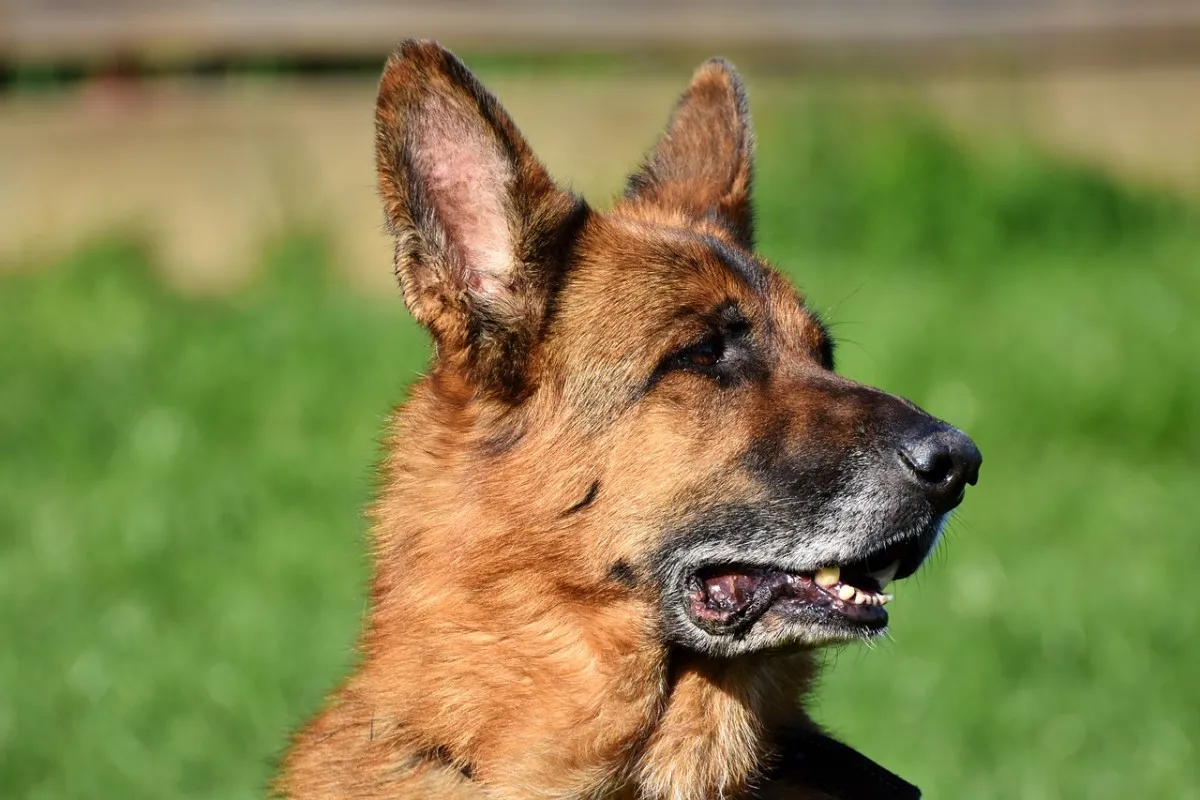
In 1913, Benjamin Throop and Anne Tracy founded the German Shepherd Dog Club of America (GSDCA) with 26 charter members. The club was incorporated on February 7, 1916, and remains the AKC parent club for the breed.
The real flood came after World War I. Returning soldiers brought Shepherds home. Strongheart and Rin Tin Tin amplified demand. By the mid-1920s, Shepherds were among the most popular breeds in America.
In 1930, von Stephanitz himself visited the United States at the invitation of Geraldine Rockefeller Dodge, one of the wealthiest women in America and a devoted dog fancier. He judged at the Morris & Essex Kennel Club show, bringing his direct assessment to American breeding stock. By many accounts, he was troubled by what he saw. American breeders were already drifting toward showier dogs with less working ability than he wanted.
That tension between show lines and working lines, between what looks good in the ring and what works in the field, has defined American Shepherd breeding ever since.
The Cold War Split
The post-war division of Germany in 1949 created an accidental experiment in breed divergence. For four decades, two Germanys bred the dogs under completely different philosophies. The result was dramatic.
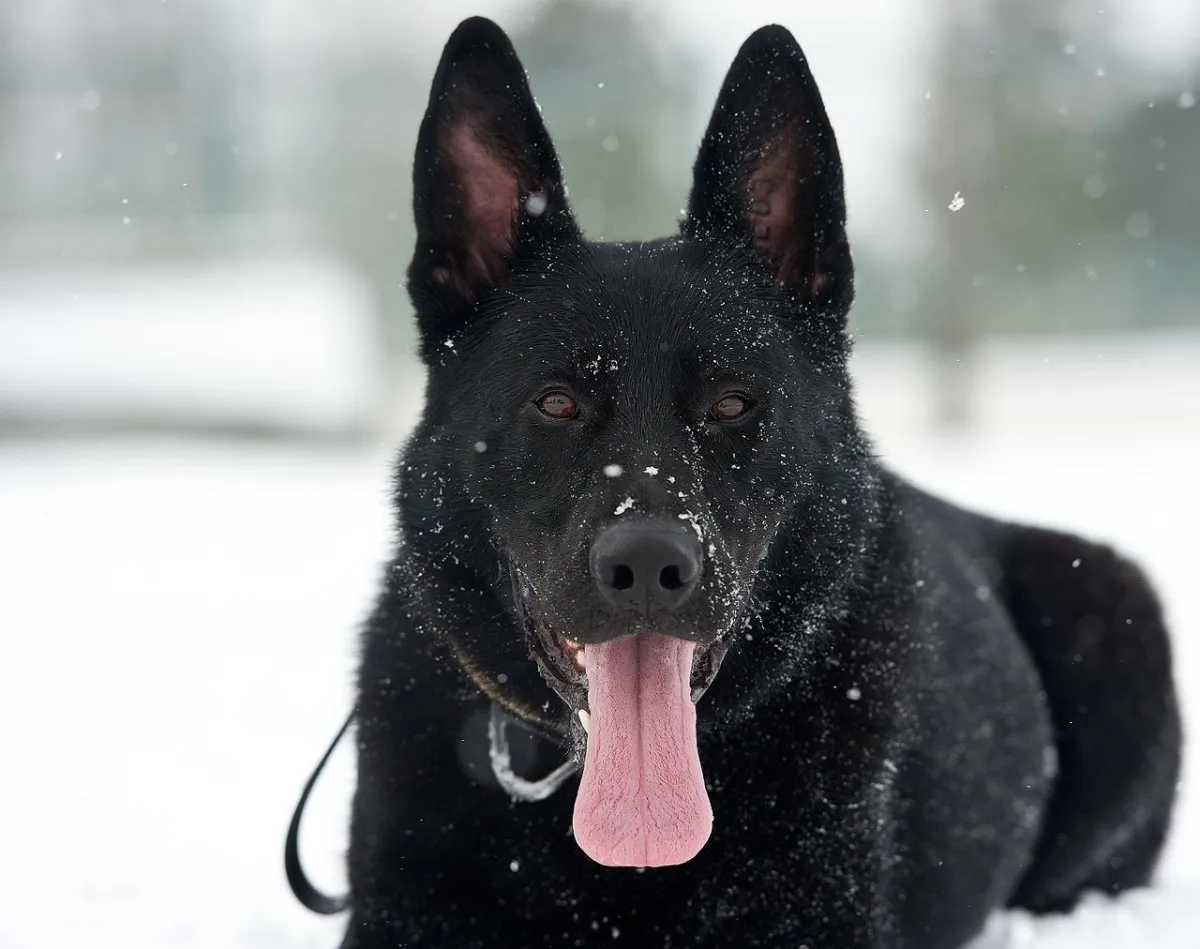
East Germany (DDR) ran a state-controlled breeding program through the military and border police. These were not hobby breeders or show enthusiasts. They were government institutions that needed dogs capable of long patrols in harsh conditions, dogs that could scale walls, track across rough terrain, and work reliably under pressure.
The DDR program culled aggressively for health. Dogs with hip dysplasia, weak nerves, or insufficient drive were removed from breeding without sentiment. The result was a line of dogs with blocky heads, heavy bone, dark pigmentation, and remarkable structural soundness.
West Germany continued under the SV’s framework, which required both conformation shows and working titles for breeding dogs. West German dogs maintained a balance of structure and working ability, though the show ring gradually exerted more influence on breeding decisions.
American lines diverged furthest. Without the SV’s requirement that breeding dogs pass working tests, American breeders increasingly selected for show traits: extreme rear angulation, flowing movement in the ring, coat quality. Working ability became optional.
By the time the Berlin Wall fell in 1989, the three populations were visibly different. DDR dogs were darker, stockier, and straighter-backed. West German show dogs were flashier with more angulation. American show dogs were more angulated still, with a pronounced slope from withers to croup that the SV and DDR programs had never selected for.
Add in Czech border-patrol lines, Dutch KNPV-bred dogs, and Belgian-ring-sport-influenced working lines, and the modern breed effectively split into five or more distinct types, all descendants of Horand von Grafrath, all unmistakably Shepherds, but bred for very different purposes.
If you are buying from a breeder today, the line and breeding philosophy behind the program matters as much as — if not more than — the price tag.
The Breed Today
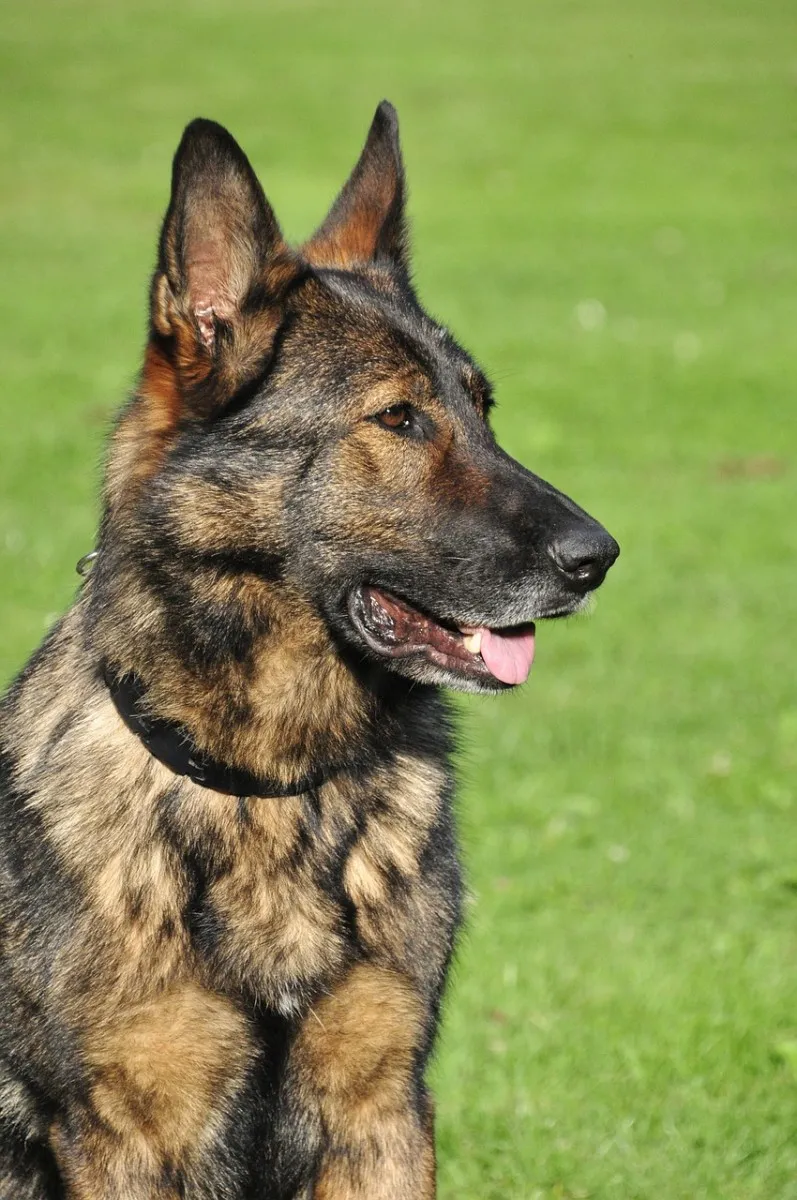
The breed ranks as the AKC’s fourth most popular breed based on 2025 registration data, behind the French Bulldog, Labrador Retriever, and Golden Retriever. Globally, the World Union of German Shepherd Dog Associations (WUSV) counts over 500,000 members.
Those numbers only scratch the surface. These dogs work for police departments and military units on every continent. They detect explosives, narcotics, and currency. They perform search and rescue after earthquakes, hurricanes, and building collapses. They guide the blind, alert to seizures, and assist veterans with PTSD. They compete in Schutzhund, IPO, French Ring, and agility.
And millions of them simply live as family dogs. Something von Stephanitz might not have predicted but probably would not have objected to, as long as they kept their working character.
The breed is not without its problems. The divergence between show and working lines has created real health differences. Extreme angulation in some American show lines has drawn criticism from orthopedic veterinarians. Hip and elbow dysplasia remain common across all lines, though responsible breeding programs have reduced prevalence over time. The breed’s popularity has attracted irresponsible breeders who produce dogs with poor temperaments and preventable health conditions.
Von Stephanitz warned against exactly this. In his later years, he fought against breeders who prioritized appearance over function. His motto, Utility and intelligence, was a deliberate stand against the show-ring mentality he feared would ruin his creation.
Whether the breed has stayed true to that vision depends on which Shepherd you are looking at. A working-line Shepherd performing detection work at an airport lives up to the standard von Stephanitz set. A well-bred family companion with solid nerves and good health does too, in its own way. The breed’s versatility, the very quality he built it for, is both its greatest strength and the reason it has been pulled in so many directions.
One Hundred and Twenty-Five Years
From a single dog at a German dog show to the most widely deployed working breed on earth, the breed’s history is remarkably compressed. Most of it fits within living memory. There are people alive today whose grandparents could have met von Stephanitz.
The breed’s story is, in the end, a story about one man’s conviction that a dog could be built for universal service, and the generations of breeders, trainers, soldiers, and families who proved him right in ways he never imagined.
For a closer look at the breed as it exists today, including the physical and temperament traits that define it, see our breed characteristics guide.
Sources
- American Kennel Club. German Shepherd Dog: Breed History. akc.org
- German Shepherd Dog Club of America (GSDCA). Founding history and breed education. gsdca.org
- Fédération Cynologique Internationale. Standard No. 166: German Shepherd Dog. fci.be
- Verein für Deutsche Schäferhunde (SV). Breed registry and historical records.
- Willis, Malcolm B. The German Shepherd Dog: A Genetic History. Howell Book House.
- von Stephanitz, Max. The German Shepherd Dog in Word and Picture. Anton Kampfe, 1923.
- Strickland, Winifred Gibson & Moses, James A. The German Shepherd Today. Howell Book House.
- Orlean, Susan. Rin Tin Tin: The Life and the Legend. Simon & Schuster, 2011.
- Hollywood Walk of Fame historical records, Strongheart star documentation.
Related Articles
German Shepherd Breed Characteristics
German Shepherd breed characteristics: AKC standard measurements, temperament, intelligence ranking, physical traits, and what makes this breed unique.
Types of German Shepherds: 5 Breed Lines Compared
From American show lines to DDR working dogs, there are 5 distinct German Shepherd types. Compare appearance, temperament, health, and price for each line.