German Shepherd Breed Guide
On this page · 11 sections
- 01Why Breed Matters When Choosing a Vet
- 02When You Need a Specialist vs. a General Vet
- 03Veterinary Specialties That Matter for This Breed
- 04What to Look For in a General Practice Vet
- 05Questions to Ask at the First Visit
- 06Red Flags in a Vet Practice
- 07Your First Visit Checklist
- 08How to Find Specialists
- 09Planning for a Bloat Emergency
- 10When to Get a Second Opinion
- 11Building a Vet Relationship Over Time
A vet who’s right for a Yorkie may not be right for a Shepherd. Size, breed-associated conditions, and bloat risk all change what “good vet” means for this breed. The difference between a strong fit and a poor one isn’t something you want to discover during an emergency.
This guide covers what actually matters: how to evaluate a general practice, when you need a specialist, what to ask at the first visit, and how to prepare for the breed’s worst-case emergency.
Three things to do this week:
- Find AAHA-accredited general practices within driving distance (about 15% of US vet hospitals carry it).
- Call two and ask about their experience with German Shepherd-specific conditions and their after-hours protocol.
- Save the address and phone number of your nearest 24-hour emergency hospital before you ever need it.
The rest of this guide is the detail behind those steps.
Why Breed Matters When Choosing a Vet
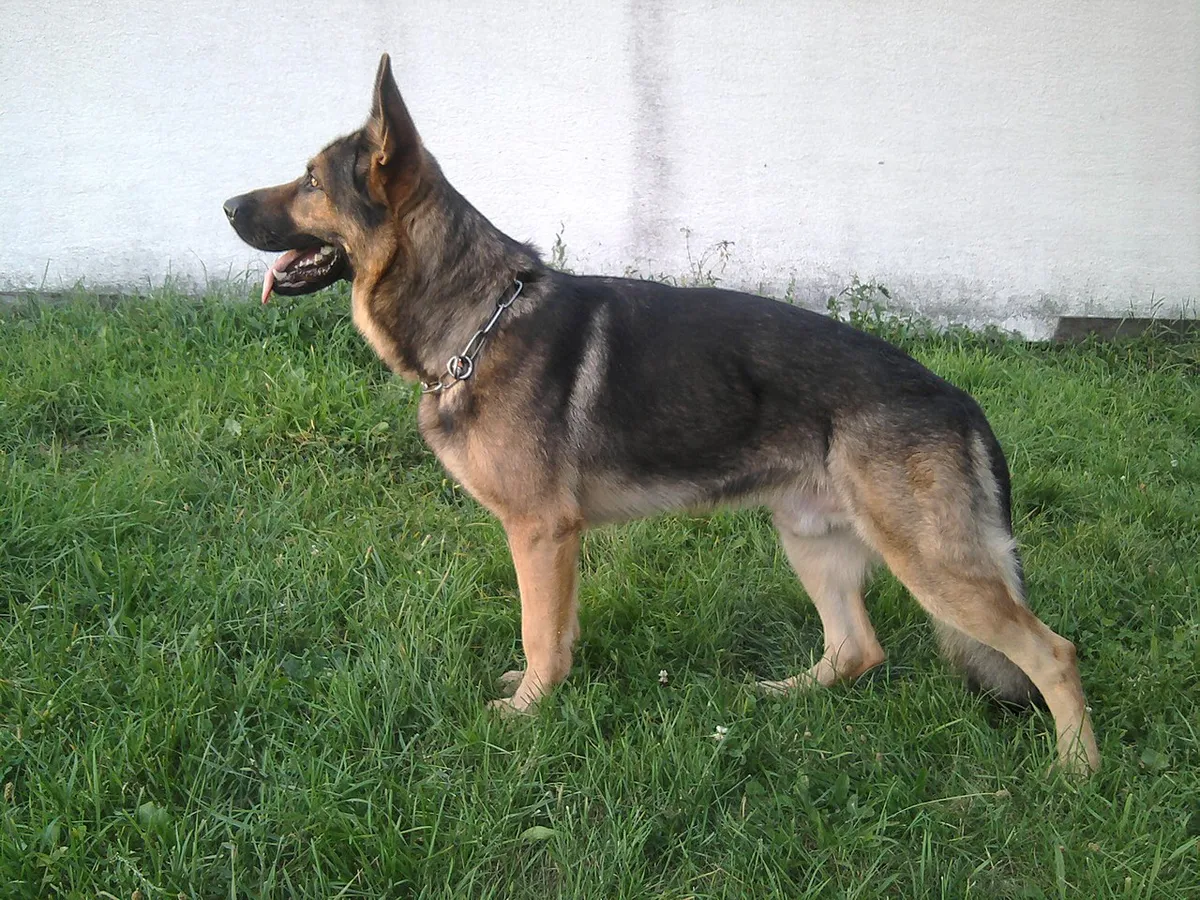
Not every clinic is set up for an 80-pound dog. Equipment matters: accurate floor scales, X-ray tables that fit a full-grown Shepherd, anesthesia protocols suited to large breeds. Pattern recognition matters more. A vet who sees Shepherds weekly catches subtle gait changes, early EPI signs, or the start of perianal fistulas faster than one who sees the breed monthly.
Shepherds carry a specific set of breed-associated conditions worth a vet recognizing on sight: hip and elbow dysplasia, EPI, degenerative myelopathy, perianal fistulas, and allergies. Bloat is the test case. A vet who handles deep-chested breeds regularly takes a tight, distended abdomen seriously from the first second and is more likely to discuss preventive gastropexy at routine visits. A vet who hesitates on GDV is the wrong vet for a Shepherd.
“An AAHA-accredited practice voluntarily undergoes regular evaluations, meeting more than 900 standards of veterinary excellence in areas like patient care, surgery, and diagnostics.”
— American Animal Hospital Association (AAHA)
When You Need a Specialist vs. a General Vet
Your general vet handles the bulk of a Shepherd’s care: annual exams, vaccinations, bloodwork, dental cleanings, minor illnesses, routine monitoring. For most of a Shepherd’s life, that’s enough.
When your general vet is enough:
- Annual wellness exams and vaccinations
- Routine bloodwork and screening
- Minor infections, injuries, and illnesses
- Flea, tick, and heartworm prevention
- Dental cleanings
- Spay/neuter surgery
- Initial evaluation of new symptoms
When you likely need a specialist:
- Orthopedic surgery (hip or elbow dysplasia, cruciate repair)
- Chronic conditions not responding to standard treatment (persistent GI issues, allergies)
- Emergency surgery (bloat/GDV)
- Complex diagnostics (unexplained weight loss, recurring episodes)
- Behavior problems requiring medication alongside training
A good general vet knows when to refer. The willingness to say “this is beyond my scope” is one of the strongest signals you have the right one.
Veterinary Specialties That Matter for This Breed
Board certification is the credential that matters when you do need a specialist. The title “specialist” is not legally protected in most US states, so anyone can claim it. A board-certified specialist has completed a multi-year residency and qualifying exams through a recognized veterinary college. The diplomate codes below (DACVS, DACVIM, DACVD) are the verified version.
| Specialty | Board (Diplomate Title) | What They Treat | When You Need One | How to Find |
|---|---|---|---|---|
| Veterinary Surgery | ACVS (DACVS) | Hip/elbow dysplasia surgery, bloat/GDV emergency, cruciate repair, gastropexy | Joint surgery, bloat emergency, any major surgical procedure | ACVS Find a Surgeon |
| Internal Medicine | ACVIM (DACVIM) | EPI, chronic GI issues, liver/kidney disease, immune disorders | Chronic digestive problems, unexplained weight loss, conditions not responding to standard treatment | VetSpecialists.com |
| Dermatology | ACVD (DACVD) | Skin allergies, atopic dermatitis, food sensitivities, perianal fistulas | Chronic itching, recurring ear infections, skin conditions that keep coming back | ACVD Find a Dermatologist |
| Veterinary Behaviorist | DACVB | Severe anxiety, aggression, compulsive behaviors | Behavior problems that do not respond to training, separation anxiety requiring medication | DACVB Directory |
| Veterinary Nutrition | ACVN | Custom diet formulation, complex dietary needs | Homemade diet planning, multi-condition feeding challenges | Ask your vet for referral |
| Emergency & Critical Care | ACVECC | Trauma, bloat, toxin ingestion, respiratory distress | Any life-threatening emergency | Locate your nearest emergency vet before you need one |
| Rehabilitation | ACVSMR | Post-surgical recovery, arthritis management, mobility | After hip surgery, chronic mobility issues, weight management | Ask your orthopedic surgeon for referral |
The takeaway: bookmark this and come back when you need it. The most common specialist referrals for Shepherd owners are orthopedic surgeons (hips, elbows), internal medicine (EPI, chronic GI), and dermatologists (allergies, perianal fistulas).
What to Look For in a General Practice Vet
You’re looking for competence, communication, and the ability to handle a large, active dog.
Large breed experience. Ask directly: “How many German Shepherds or similar large breeds do you see regularly?” The vet doesn’t need to be a breed specialist, but regular exposure to large-breed patients makes a difference.
AAHA accreditation. The American Animal Hospital Association is the only group that accredits veterinary practices in North America. Only about 15% of US hospitals carry it. It’s voluntary, which means practices that pursue it are choosing a higher bar on surgery, records, pain management, and diagnostics. Not a guarantee of perfection, but a meaningful signal.
Proper equipment. Accurate floor scale for large dogs, X-ray capability sized for a full-grown Shepherd, anesthesia monitoring suitable for dogs over 80 pounds. If the practice struggles to weigh your dog, treat it as a practical red flag.
Bloat awareness. Non-negotiable for this breed. Does the practice discuss preventive gastropexy? Do they recognize GDV signs immediately? A vet who brushes off bloat concerns isn’t the right fit for a deep-chested dog.
After-hours protocol. Emergencies don’t happen during business hours. Ask who they refer to when the clinic is closed. A practice with an established 24-hour ER relationship has done the homework. “Just go to the nearest ER” hasn’t.
Communication style. The best vet is useless if they don’t explain what’s happening. You want one who discusses options before choosing a path, talks cost before procedures, and listens when you describe what you’ve seen at home. Owner observations are data.
“The AVMA encourages pet owners to seek veterinarians who communicate openly about diagnosis, treatment options, and costs, fostering a collaborative approach to animal health care.”
— American Veterinary Medical Association (AVMA)
Questions to Ask at the First Visit
Bring a list. A vet who’s annoyed by questions isn’t the right vet.
-
“What is your experience with German Shepherd-specific conditions?” You want familiarity with hip dysplasia, EPI, degenerative myelopathy, and bloat. Recognition without hesitation matters more than depth in any single one.
-
“Do you recommend OFA or PennHIP screening for this breed?” Tells you whether the vet understands breed-specific orthopedic screening. A blank look is useful information.
-
“What is your protocol if my dog comes in with symptoms of bloat?” The answer should be immediate and confident. Bloat is time-critical. You want a plan, not a pause.
-
“Do you have referral relationships with orthopedic surgeons and internal medicine specialists?” A vet with an established network gets your dog to the right specialist faster.
-
“What is your approach to large-breed puppy growth management?” You’re listening for awareness of controlled growth rates, calcium balance, and exercise modification during development. For more on this stage, see our German Shepherd feeding schedule.
-
“How do you handle after-hours emergencies?” You want a name, a phone number, a location.
-
“Can you walk me through what an annual visit covers and what it costs?” Transparency about money is a trust signal. For typical figures, see our German Shepherd cost per month guide.
Red Flags in a Vet Practice
Some warning signs are obvious. Others only become clear after a visit or two.
- Dismisses breed-specific concerns. “All large dogs are basically the same” tells you the vet doesn’t differentiate care by breed. Move on.
- Pushes procedures without explanation. “Because it’s standard” isn’t a sufficient answer.
- Refuses to discuss costs upfront. You shouldn’t have to wait for the invoice to know what you’re agreeing to.
- No emergency referral protocol. A practice without a clear after-hours plan has a gap in their care model.
- Outdated or poorly maintained facility. Broken equipment, cluttered exam rooms, and poor hygiene reflect how the whole practice is run.
- Rushes through appointments. A vet who doesn’t listen to what you’ve seen at home is working with incomplete information.
- Uses “specialist” loosely. Ask for board certification. The credential is DACVS, DACVIM, DACVD, or it’s not there.
A single issue doesn’t mean a practice is incompetent. A pattern of them signals a mismatch with the care a Shepherd needs over a 10- to 13-year lifespan.
Your First Visit Checklist
Walk in organized. The visit goes better for both sides.
| Bring | Ask | Observe |
|---|---|---|
| Vaccination records | Experience with the breed | How staff handles your dog |
| Any previous health records | After-hours emergency protocol | Cleanliness of facility |
| List of current food and supplements | Cost for a routine annual visit | Whether the vet explains things clearly |
| Your questions written down | Referral network for specialists | Wait time and scheduling ease |
| Insurance information if applicable | Approach to preventive care | Whether they listen to your concerns |
One practical note: bring your dog slightly hungry on a familiar leash. Most vets use treats to make the visit positive, and a Shepherd new to the environment is easier to manage on equipment they already know.
How to Find Specialists
The Referral Process
Usually your general practice vet refers you, sending records, imaging, and their assessment so the specialist can build on that foundation. But most specialist directories allow direct contact, so you don’t always need a referral:
- Surgeons: ACVS directory
- Internal Medicine: VetSpecialists.com or ACVIM
- Dermatology: ACVD directory
- Behavior: DACVB directory
If you go directly, bring copies of all relevant records yourself. The visit will be faster with context.
Veterinary Teaching Hospitals
University vet hospitals are often the best option for complex cases. They have multiple specialists under one roof, advanced diagnostics, and collaborative care across disciplines. Major US programs include UC Davis, Cornell, Penn Vet, Colorado State, Texas A&M, Ohio State, and North Carolina State; the AVMA list of accredited veterinary colleges covers all of them. Teaching hospitals often run lower than private specialty rates because cases support resident training under board-certified faculty supervision, which usually means more eyes on a complex case, not fewer.
What Specialist Visits Cost
Expect $200 to $500 for an initial specialist consultation. Surgical consultations run higher, especially with advanced imaging. Teaching hospitals tend toward the lower end. These fees are separate from any treatment that follows — an orthopedic consultation that leads to hip surgery has the consult fee plus surgical costs. For lifetime numbers on this kind of spending, see our German Shepherd lifetime cost guide.
Planning for a Bloat Emergency
For Shepherd owners, bloat is what makes emergency prep non-optional. GDV can progress from uncomfortable to fatal within hours, and time is the only resource that matters once it starts.
Prepare now, not during the crisis:
- Know your nearest 24-hour emergency vet. Name, address, phone number. Save it in your phone today.
- Drive the route once during the day so you’re not navigating unfamiliar roads at 2 a.m. with your dog in distress.
- Keep a basic first aid kit. Gauze, non-stick bandages, adhesive tape, digital thermometer, hydrogen peroxide (for vet-directed induced vomiting only), and the phone numbers for your vet, the ER, and the ASPCA Animal Poison Control Center (888-426-4435).
- Know the signs of bloat. Restlessness, unproductive retching (trying to vomit with nothing coming up), a visibly swollen or tight abdomen, pacing, drooling, obvious distress. Don’t wait. Go.
- Have a plan for transport. A 90-pound dog that can’t stand still needs to be moved somehow. A large blanket can serve as a makeshift stretcher. Know in advance where in your vehicle the dog will ride.
Everything you figure out before a bloat event removes a delay you can’t afford during one. Owners who suspect their dog is bloat-prone may also want to discuss pet insurance before any signs appear, since GDV surgery commonly runs $5,000 or more.
When to Get a Second Opinion
Seeking a second opinion isn’t about distrust. It’s about informed decisions when the stakes are high.
Consider one when:
- Surgery is recommended and the cost exceeds $2,000. Major procedures deserve confirmation that surgery is the right path and the approach is sound.
- The diagnosis doesn’t match the symptoms. If your dog isn’t improving and the diagnosis doesn’t fully explain what you’re seeing, another set of eyes helps.
- Treatment isn’t working in a reasonable window. Antibiotics should improve things within days. For chronic conditions, your vet should set expectations for when you’ll see progress.
- The approach feels too aggressive or too conservative. Trust your instincts. If a vet wants to operate immediately when you expected medication first (or vice versa), get context.
- The vet says “we don’t see this often.” This matters most for EPI, which is rare outside a few breeds. A vet unfamiliar with EPI may not test for it, may misread results, or may underestimate its management. An internal medicine specialist will have far more experience.
A second opinion doesn’t have to come from a specialist. Another general practice vet can offer a fresh read. For breed-specific conditions, though, a specialist is usually the most valuable second voice.
Building a Vet Relationship Over Time
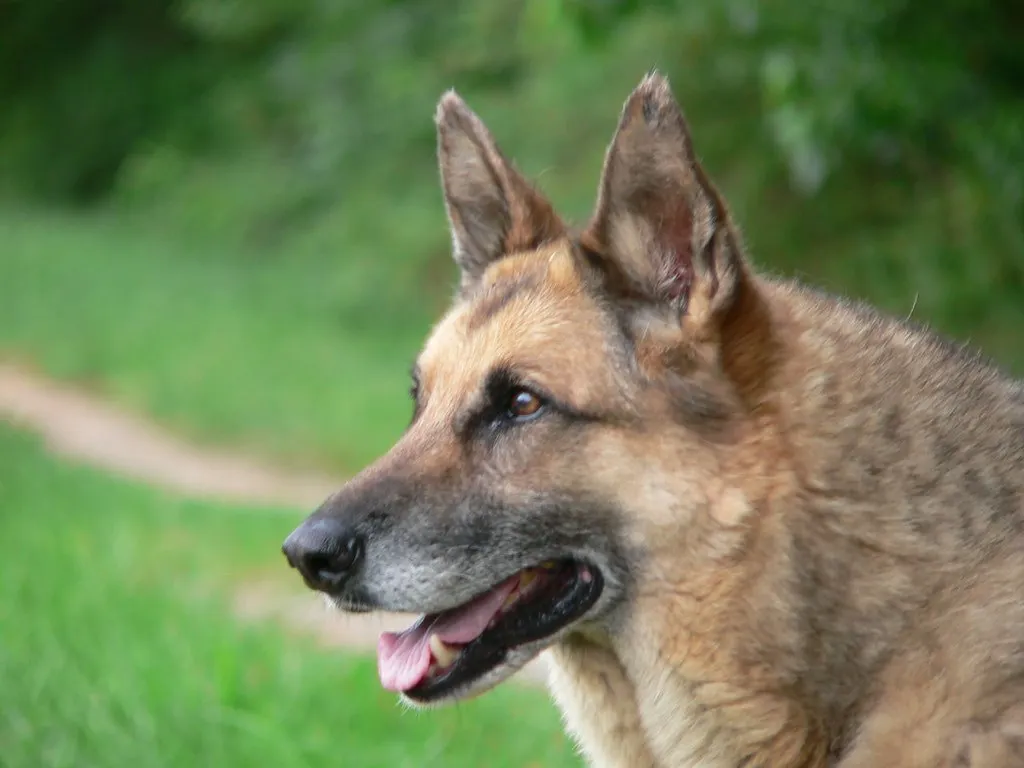
The best vet relationship is a long one. A vet who sees your dog from puppyhood through senior years knows the baseline — what’s normal for this dog, not just the breed. They notice the small shifts in gait, weight, and energy that signal something is changing.
Continuity matters more than chasing the “perfect” vet. A good vet who knows your dog will outperform an excellent vet seeing your dog for the first time, at least for routine care and early detection.
Practical ways to build it:
- Stick with the same vet within a practice. If the clinic has multiple vets, request the same one consistently.
- Share your observations. Changes in appetite, energy, gait, or behavior between visits. Your vet sees a snapshot. You see the whole picture.
- Be honest about compliance. If you stopped the medication or skipped the follow-up, say so. Your vet needs accurate information.
- Ask about things you read online. A good vet welcomes the conversation.
Over four Shepherds, the vet who knows your dog beats the vet with the best reviews. My current vet caught a subtle change in Blaze’s bloodwork during a routine annual that would have been easy to overlook without knowing his normal values. That kind of continuity is worth more than any credential.
Follow new work
A new guide every week or so.
Roughly one new guide every week or so. Cost data, feeding research, breed health — sourced and dated. By Sam, in Belgium.
Related Articles
German Shepherd Breed Characteristics
Complete guide to German Shepherd breed characteristics: AKC size standards, temperament, intelligence ranking, coat types, health, and family suitability.

Best Pet Insurance for German Shepherds
A practical comparison of pet insurance options for German Shepherd owners. What to look for, what to watch out for, and how to choose a plan that fits.
How Much Does a German Shepherd Cost Per Month
A realistic monthly cost breakdown for German Shepherd owners. Food, insurance, preventatives, grooming, and training with US averages and ways to save.