German Shepherd Cost Guide
Bloat, or gastric dilatation-volvulus (GDV), is the emergency Shepherd owners fear most. The stomach fills with gas and twists on itself, cutting off blood flow to the stomach and spleen. Without surgery, it’s fatal. With surgery, survival rates sit around 80% according to veterinary literature. But the window is narrow, the surgery is expensive, and the bill shows up all at once.
Our German Shepherd cost guide puts this number alongside every other major expense.
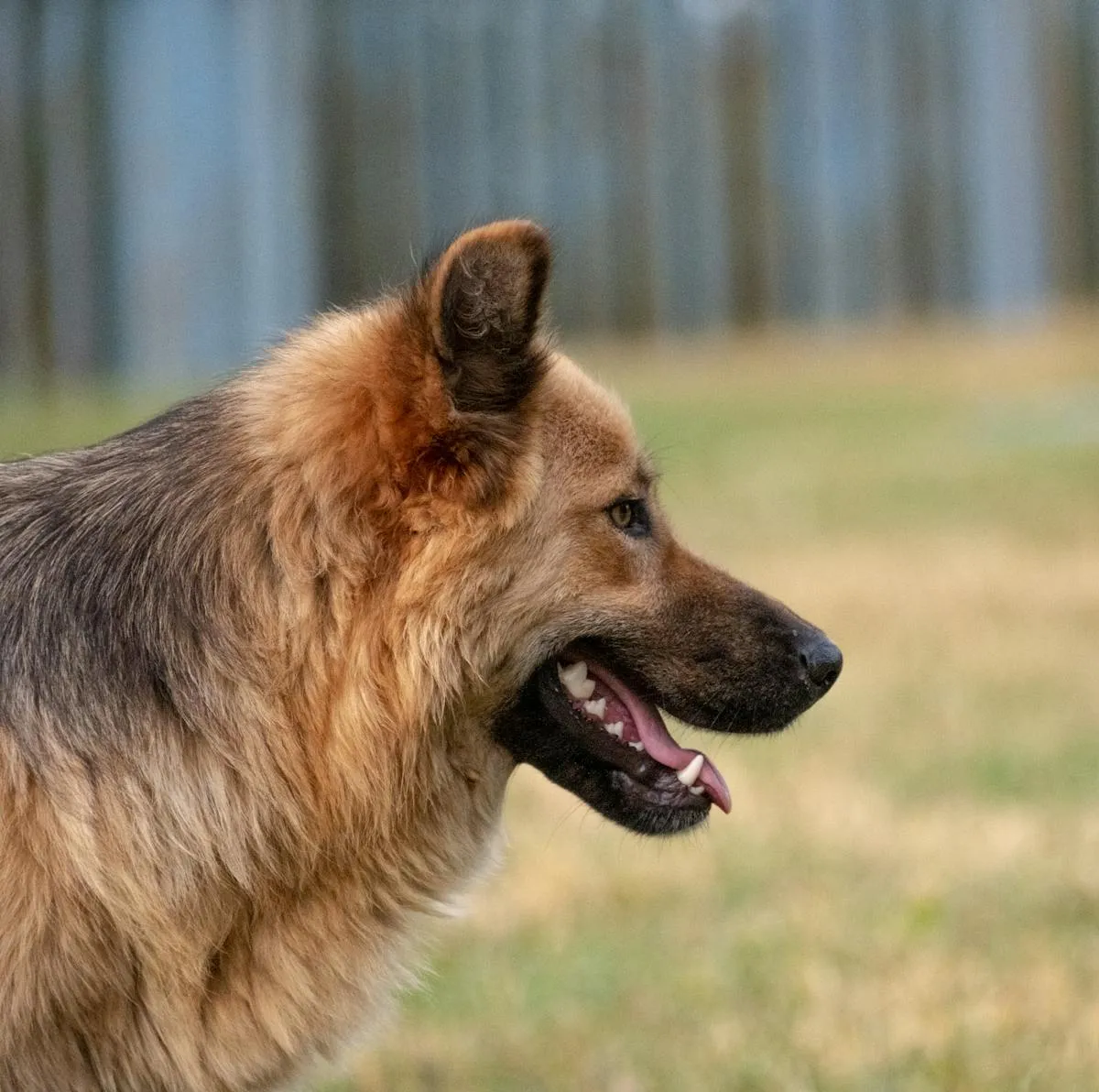
What GDV Actually Involves
The cost makes more sense once you understand what the treatment looks like. GDV surgery isn’t one procedure. It’s a chain of interventions, each adding to the total.
Stabilization comes first. The dog arrives in shock. IV fluids, pain medication, sometimes oxygen therapy. Surgery can’t happen until the dog is stable enough to survive anesthesia.
Gastric decompression. A tube is passed into the stomach, or a needle inserted through the abdominal wall, to release trapped gas.
Surgery. The stomach is untwisted and a gastropexy is performed, tacking the stomach to the abdominal wall to prevent future rotation.
Possible splenectomy. In a significant share of cases, the spleen is damaged by the torsion and must be removed. That adds surgical time and cost.
Possible partial gastrectomy. If portions of the stomach wall have become necrotic from lost blood supply, the dead tissue must be removed. This complication significantly increases both the bill and mortality risk.
Each step is a line item. The more complications, the steeper the total.
Emergency GDV Surgery: The Cost
| Scenario (market estimate) | Cost Range |
|---|---|
| Simple GDV caught early (derotation + gastropexy) | $3,000–$5,000 |
| Typical emergency GDV | $5,000–$7,000+ |
| GDV with splenectomy, necrosis, or ICU stay | $7,000–$10,000+ |
Most Shepherd owners should think of $5,000–$7,000+ as the realistic estimate for an emergency GDV. Cases caught very early with minimal intervention can fall lower, toward $3,000. Cases involving splenectomy or stomach necrosis push well above it, and once you add multi-day ICU monitoring, total bills of $7,000–$10,000+ are common. Great Pet Care puts emergency bloat surgery in the same range, noting that the figure climbs sharply with intensive care or complications.
There is no single authoritative price for GDV surgery — it varies by region, clinic, time of day, and how far the torsion has progressed. Treat every number here as a planning estimate and confirm with your nearest emergency hospital.
Post-surgical costs add to the total:
- ICU/hospital stay: 2–7 days ($200–$1,500/day depending on level of care)
- Post-discharge medication: $100–$300
- Follow-up visits and monitoring: $100–$300
- Restricted activity period: 10–14 days
Preventive Gastropexy: A Fraction of the Emergency Cost
This is the part of the conversation that keeps coming up in Shepherd circles. Preventive gastropexy surgically attaches the stomach to the abdominal wall before any emergency happens. It doesn’t prevent bloat (the gas accumulation), but it prevents the volvulus (the twist), which is the part that kills.
“Gastropexy is the surgical attachment of the stomach to the body wall and is considered the standard of care during GDV surgery. When performed preventively, it may reduce the risk of GDV by an estimated 95% or more in at-risk breeds.”
— PetMD, Gastropexy in Dogs
The costs:
| Procedure (market estimate) | Cost Range |
|---|---|
| Laparoscopic gastropexy (standalone) | $1,400–$2,500 |
| Added to spay/neuter surgery | $400–$800 |
Adding it to a spay or neuter is particularly cost-effective. The dog is already under anesthesia. In the case of a spay, the abdomen is already open. The incremental cost of $400–$800 is a fraction of both the standalone procedure and the emergency alternative.
Tier 1 Veterinary Medical Center notes that laparoscopic gastropexy involves smaller incisions and faster recovery compared to open surgery, with most dogs going home the same day or the next morning. The tradeoff is a slightly higher price tag for the minimally invasive approach.
“Laparoscopic gastropexy typically involves just two small incisions and allows most patients to return to normal activity within days, compared to the 10–14 day recovery window after emergency GDV surgery.”
— Tier 1 Veterinary Medical Center
This is a conversation worth having with your veterinarian, especially for deep-chested Shepherds. Not every vet proactively brings it up, so you may need to ask.
Should You Schedule Preventive Gastropexy?
There’s no single right answer, but the decision usually comes down to a handful of variables. Use the matrix below to figure out where your dog sits.
| Factor | Lean toward gastropexy | Lean against |
|---|---|---|
| First-degree relative (parent, sibling) had GDV | Yes | No known family history |
| Spay/neuter already planned | Yes — combine procedures | Already neutered, would be standalone |
| Dog’s temperament | Anxious, stress-prone | Calm, low-arousal eater |
| Distance to 24-hour ER vet | More than 30 minutes | Within minutes |
| Pet insurance status | No coverage, or capped annual benefit | Active comprehensive policy with high cap |
| Owner’s risk tolerance | Wants the lowest-stress option | Comfortable monitoring for early signs |
The strongest case is a Shepherd with a family history of GDV, an anxious temperament, no nearby emergency vet, and an upcoming spay or neuter. The weakest case is a calm, neutered adult living five minutes from a 24-hour ER, with insurance that would cover the emergency. Most owners sit somewhere in between, and the decision is a judgment call to make with your veterinarian.
Time to Surgery Is Everything
The single biggest factor in GDV survival isn’t the surgeon’s skill or the clinic’s equipment. It’s how quickly the dog gets to the operating table.
When the stomach twists, blood supply to the stomach wall and spleen starts dying. Every hour increases the chance of tissue necrosis, spleen damage, and cardiac complications. Veterinary literature consistently shows that dogs treated within the first few hours have significantly better outcomes than those where treatment was delayed.
What affects the outcome:
- Time from first symptoms to surgery. This matters more than anything else. Owners who recognize the signs and drive to an emergency vet immediately give their dog the best chance.
- Degree of gastric necrosis. If stomach tissue has already died by the time surgery starts, survival rates drop considerably.
- Spleen involvement. Splenectomy adds surgical complexity but is survivable. The real danger is when the spleen has been compromised long enough to cause systemic problems.
- Age and overall health. Older dogs and those with existing health conditions face higher surgical risk.
Classic warning signs include unproductive retching, restlessness or pacing, a visibly distended abdomen, and excessive drooling. If you notice these in your Shepherd, treat it as an emergency. Do not wait to see if it passes. Consult your veterinarian or go directly to an emergency clinic.
Why German Shepherds Are at Higher Risk
German Shepherds are consistently listed among the breeds most commonly associated with GDV: large and giant breeds with deep, narrow chests carry the highest risk, and the Shepherd fits that profile squarely.
One honest caveat worth knowing. The largest breed-risk study, Glickman et al. (2000), did not include German Shepherds in its cohort, so there is no reliable GSD-specific lifetime GDV percentage. Be skeptical of any site that quotes one. What is well established is the elevated category risk for deep-chested breeds and the specific factors that raise it.
A companion Glickman study on non-dietary risk factors identified several:
- Chest conformation. The deep, narrow chest typical of the breed is a primary anatomical risk factor.
- Eating speed. Fast eaters face significantly higher risk. Slow-feeder bowls are a low-cost intervention.
- One large meal per day. Feeding a single large meal increases risk compared to two or more smaller meals.
- Raised food bowls. Contrary to older advice, raised bowls were associated with approximately 20% of large-breed GDV cases in the Glickman data.
- Age. Risk increases with age. Most GDV cases occur in middle-aged to older dogs.
- Family history. Dogs with first-degree relatives who experienced GDV face elevated risk.
- Temperament. Dogs described as anxious or stress-prone showed higher incidence.
Some of these are manageable. Feeding two or more meals per day, using a slow-feeder bowl, keeping bowls on the floor, and limiting exercise around mealtimes are free changes that may reduce risk. They don’t eliminate it.
For feeding strategies that may help, see our feeding schedule guide.
How Insurance Applies
GDV is the scenario that makes the strongest financial case for pet insurance in this breed. It’s sudden, it’s expensive, and it’s not optional. You either pay for emergency surgery or lose the dog. The insurance estimator will show you roughly what a policy costs against that risk.
Here’s what it can look like in practice. A Shepherd owner with a policy at 90% reimbursement and a $250 deductible facing a $6,000 GDV surgery bill:
| Amount | |
|---|---|
| Total veterinary bill | $6,000 |
| Deductible | -$250 |
| Eligible amount | $5,750 |
| Insurance reimbursement (90%) | $5,175 |
| Owner’s out-of-pocket cost | $825 |
That’s $825 instead of $6,000. For context, the NAPHIA State of the Industry report put the average US accident-and-illness dog premium at $749.29 a year in 2024 — a single GDV event can exceed a decade of premiums. The math is straightforward, though the specifics depend entirely on your policy terms.
Unlike chronic conditions, GDV is typically an acute emergency with no pre-existing condition complications. But coverage only helps if the policy is active when the event happens. You can’t buy insurance after the emergency starts.
For a full comparison of options, see our guide to the best pet insurance for German Shepherds.
Recovery After Surgery
If your Shepherd survives GDV surgery, recovery follows a fairly standard path:
- Hospital stay: 2–7 days depending on complications
- Strict rest: 10–14 days of restricted activity at home
- Diet transition: Small, frequent meals of bland food, gradually returning to normal over 1–2 weeks
- Follow-up visits: Typically 1–2 appointments in the first two weeks
Dogs that undergo splenectomy may need additional monitoring for clotting and immune function. Your veterinarian should discuss any long-term implications specific to your dog’s case.
Sources
- Glickman LT et al. (2000) — breed-related GDV risk factors (German Shepherds not in cohort — cited for the absence of a GSD-specific figure).
- Glickman LT et al. (2000) — non-dietary GDV risk factors.
- PetMD — Gastropexy in Dogs.
- ACVS — Gastric Dilatation-Volvulus.
- Tier 1 Veterinary Medical Center — Gastropexy.
- Great Pet Care — Dog Bloat Surgery Cost.
- NAPHIA State of the Industry — Average Premiums.
For a full overview of breed health expenses, see our health problems and costs guide. For the preventive angle on feeding, visit our feeding schedule guide.
Disclaimer: Cost estimates are approximations based on publicly available data. Actual costs vary significantly by location, provider, and individual circumstances. Read full disclaimer →
Follow new work
A new guide every week or so.
Roughly one new guide every week or so. Cost data, feeding research, breed health — sourced and dated. By Sam, in Belgium.
Related Articles
Best Pet Insurance for German Shepherds
A practical comparison of pet insurance options for German Shepherd owners. What to look for, what to watch out for, and how to choose a plan that fits.
German Shepherd Common Health Problems and Costs
Every major health condition German Shepherds face, how common each is, and what treatment typically costs. Real data from OFA, Nationwide, and vet sources.
German Shepherd Feeding Schedule by Age
A complete German Shepherd feeding schedule from 8-week-old puppy to senior. Meal frequency, portion sizes by age, and sample daily routines that work.