German Shepherd Cost Guide
A German Shepherd puppy from the wrong source can cost thousands in vet bills, or worse, leave you with a sick dog and no recourse. Scammers and puppy mills have gotten better at looking legitimate, which means buyers need to get better at spotting the warning signs.
I have seen friends go through this. The excitement of finding a puppy at a good price kind of overwhelms the instinct to ask hard questions. By the time the problems surface, the seller has vanished.
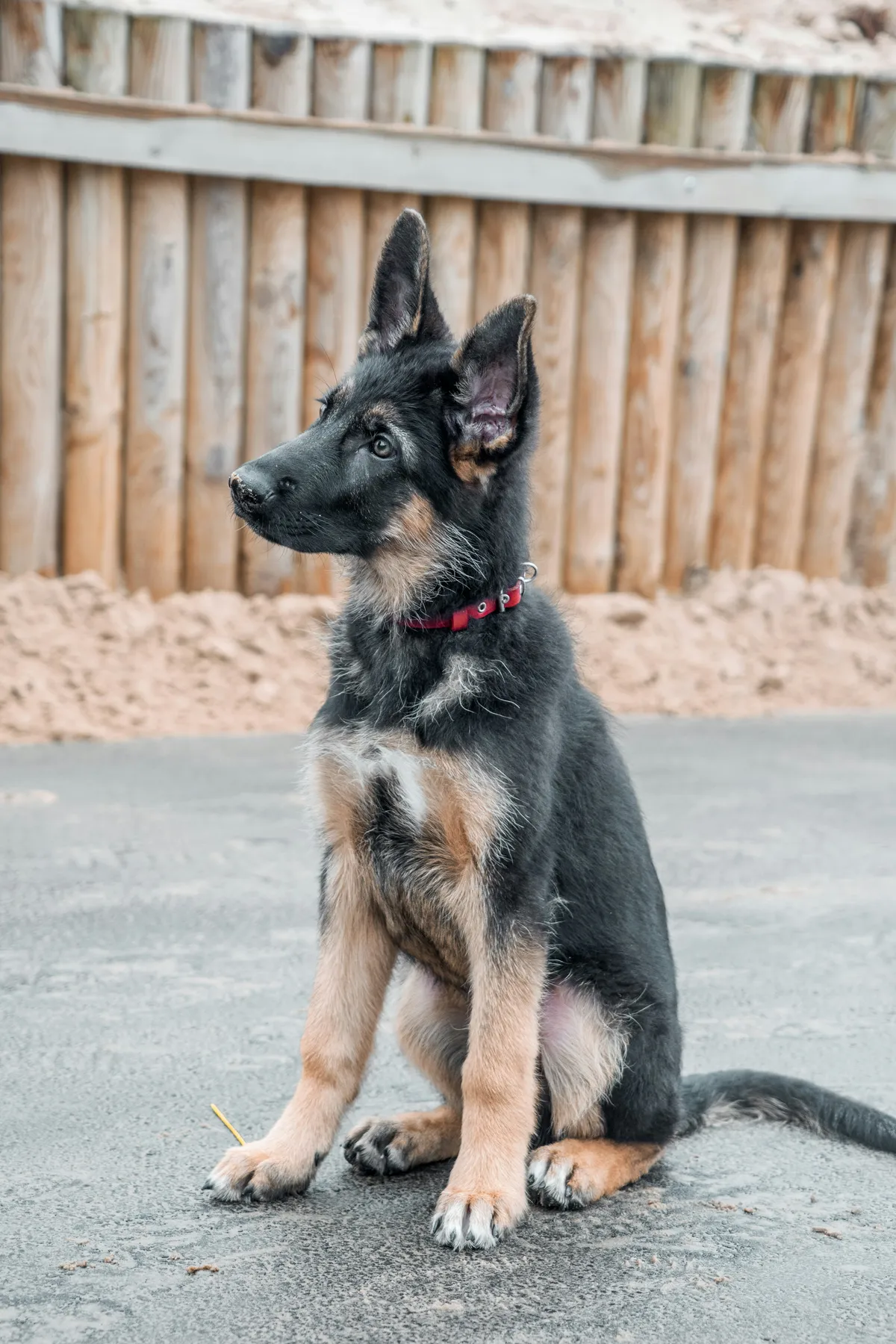
Red Flags at a Glance
Every warning sign covered in this guide, sorted by how seriously to take it. Details on each follow below.
| Red flag | What it usually means | Severity |
|---|---|---|
| Price far below the regional average (under ~$500) | Health testing was likely skipped, or the listing is bait | Investigate |
| Won’t allow any facility visit before you commit | You can’t see how the dogs actually live | Walk away |
| Several breeds for sale, litters always ready | Volume operation, not a breeder who specializes | Serious |
| Never lets you meet the dam on-site | The seller may not even own the breeding dogs | Serious |
| Dirty, crowded, or ammonia-smelling conditions | Classic puppy-mill environment | Walk away |
| No OFA or PennHIP results for both parents | Breeding blind to a roughly 20% hip-dysplasia risk | Serious |
| No written contract or health guarantee | No accountability if the puppy turns out sick | Serious |
| Puppy offered before eight weeks old | Early separation risks lasting behavior problems | Serious |
| ”Shipping only,” refuses all in-person contact | Hallmark of an online puppy scam | Walk away |
| Wants a wire transfer, gift card, or crypto | Payment you can almost never recover | Walk away |
Pricing That Does Not Add Up
Price alone does not tell you everything, but it tells you a lot.
A Shepherd puppy from a health-tested, reputable breeder typically costs $1,500–$3,500. Prices below $500 should raise immediate questions. OFA hip and elbow testing costs the breeder $200–$400 per dog. DM screening, vaccinations, quality nutrition for the dam, and structured socialization all add up. A breeder selling puppies for $300–$500 is either cutting corners on health testing or losing money.
Watch for these patterns:
- Prices significantly below the regional average with no explanation
- “Discounted” puppies if you pay immediately or skip the waitlist
- Different prices for the same litter depending on how you found the listing
- Registration papers offered as a paid add-on rather than included
An extremely high price does not guarantee quality either. Some sellers inflate prices to create the appearance of exclusivity. The price should be explainable: health testing, socialization program, breeder support, bloodline. If the breeder cannot tell you where the money goes, that is a concern regardless of the number.
Facility and Meeting Red Flags
How and where a breeder lets you see their dogs reveals more than any website or social media page.
“One of the clearest warning signs is a breeder who will not let you visit the facility or meet the puppy’s parents.”
— AKC, Puppy Scam Prevention Guide (2024)
A breeder who insists on meeting in a parking lot, gas station, or “halfway point” is hiding something, usually the conditions the dogs live in.
Specific red flags:
- Refuses facility visits. “We don’t allow visitors for biosecurity” is sometimes legitimate for very young litters. But if you cannot visit at all before committing, walk away.
- Multiple breeds available. A breeder producing Shepherds, Golden Retrievers, Labradoodles, and French Bulldogs is not specializing. They are running a volume operation.
- Puppies always available. Good breeders have waitlists. If there is always a litter ready, the operation is producing puppies on demand.
- Will not let you meet the dam. The mother should be on-site. If she is “at the vet” or “with a friend” every time you ask, the breeder may not actually own the breeding dogs.
- Dirty or overcrowded conditions. Puppies in stacked wire cages, strong ammonia smell, dogs with visible health issues. These are puppy mill indicators.
- Dam bred too frequently. A responsible breeder limits the dam to one litter per year at most. Back-to-back breeding is hard on the mother and often signals a volume operation.
Missing Paperwork and Health Records
A responsible breeder has paperwork. Not just a receipt. Real documentation of health testing, registration, and agreements.
- No OFA or PennHIP results for parents. Hip and elbow scores on the parents are the minimum standard for a breed with a roughly 20 percent hip dysplasia rate according to OFA data. If the breeder does not test, they are breeding blind. Hip dysplasia treatment alone can cost $1,500–$7,000.
- No written contract. A contract protects both sides. It should cover health guarantees, return policies, and spay/neuter requirements. No contract means no accountability.
- No vet references. A breeder should be willing to provide their veterinarian’s contact information.
- “Dealer” license displayed as a credential. A USDA dealer license means the breeder is classified as a commercial operation. Reputable hobby breeders selling directly to families do not need one.
- Evasive answers about health history. “All our dogs are healthy” is not a health testing program. You want specific results: OFA scores, DM clear/carrier status, and documentation to back it up. The GSDCA’s breeder ethics standards outline what responsible testing looks like for this breed.
- No vaccination or deworming records. A puppy should come with documented first vaccinations and a deworming schedule. Missing records suggest the breeder skipped basic veterinary care.
What to Check on the Puppy Itself
Even at a clean facility with good paperwork, the puppy’s physical condition tells its own story. Before you commit, look for these signs during your visit.
Eyes, ears, and nose. Clear eyes without cloudiness or heavy discharge. Ears should smell clean, not yeasty or foul. A healthy puppy’s nose is moist but not running.
Coat and skin. The coat should look clean and full for the puppy’s age. Bald patches, flaky skin, or visible parasites are red flags. Healthy Shepherd puppies have a soft, dense coat even at eight weeks.
Movement and energy. Watch the puppy walk and play. Limping, bunny-hopping, or reluctance to move could signal early joint problems. Puppies should be curious and active, not lethargic or withdrawn.
Behavior around littermates. A well-socialized puppy interacts with siblings and approaches people without extreme fear or aggression. Some shyness is normal. Cowering or snapping at eight weeks is not.
Minimum age matters. A puppy should stay with its mother and littermates until at least eight weeks old. Breeders who offer puppies at five or six weeks are prioritizing a quick sale over the puppy’s development. Early separation can cause lasting behavioral problems.
How Online Puppy Scams Target Shepherd Buyers
Puppy scams have surged, and German Shepherds are among the most targeted breeds because of their popularity and price.
The most common pattern works like this: you find an adorable Shepherd puppy listed at a low price or “free to a good home, just pay shipping.” You send the shipping fee. Then the seller contacts you with another charge. A special crate, insurance for transport, unexpected veterinary clearance. The demands escalate until you stop paying or run out of money. The puppy never existed.
How to spot online scams:
- Reverse image search every puppy photo. Scammers steal photos from legitimate breeders. A quick Google reverse image search often reveals the same photo on multiple unrelated listings.
- Be suspicious of “shipping only” arrangements. Legitimate breeders prefer you pick up in person. If the seller refuses any in-person interaction, that is a major warning sign.
- Watch for pressure tactics. “Someone else is interested” or “price goes up tomorrow” are designed to make you act before you think.
- Never pay by wire transfer, gift card, or cryptocurrency. These payments are nearly impossible to recover. A credit card gives you chargeback protection.
- Check the website’s age. Scam sites often appear and disappear within months. A domain registered two weeks ago selling Shepherd puppies is not a breeder. Free WHOIS lookup tools can reveal when a domain was registered.
Why Pet Store Puppies Cost More for Less
According to the Humane Society, the vast majority of puppies sold in pet stores come from large-scale commercial breeding operations that prioritize volume over animal welfare. Some stores use signage like “locally bred” or “USDA licensed” to suggest quality, but a USDA license simply means the facility meets minimum commercial standards. It does not mean the dogs are health-tested or well-socialized.
Pet store Shepherd puppies typically cost $2,000–$4,000, matching or exceeding a reputable breeder’s price, without the health testing, socialization, or lifetime support. You are paying a retail markup on a puppy mill product. That money would go further with a reputable breeder who includes health guarantees, early socialization, and ongoing support.
If a store will not tell you exactly which breeder produced the puppy and let you verify independently, move on.
How to Protect Yourself Before Buying
Avoiding bad breeders and scams comes down to a short list of practical steps:
- Visit in person. See where the dogs live. Meet at least one parent.
- Verify health testing. Ask for OFA numbers and check them yourself at ofa.org. Results are public.
- Pay by credit card. Credit cards offer fraud protection. If the breeder only accepts cash, Zelle, or wire transfer, that limits your recourse.
- Call the vet. Ask the breeder for their veterinarian’s name and number. Then actually call.
- Check references. Talk to previous puppy buyers. A good breeder will happily connect you.
- Reverse image search. Drop any puppy photo into Google Images before you fall in love with a picture that might belong to someone else.
- Trust your gut. If something feels off, evasive answers, pressure to decide quickly, stories that do not add up, it probably is.
For a detailed look at what separates good breeders from bad ones, see our breeder guide. For the full picture of what a Shepherd costs to own, visit our German Shepherd cost guide. If you are still deciding whether the breed is the right fit, our German Shepherd suitability guide covers the practical realities. And if this is your first Shepherd, check out the common mistakes new owners make before you bring a puppy home. Budget-wise, plan for roughly $3,000–$5,500 in first-year costs beyond the purchase price.
Walk Away or Proceed: A Five-Gate Check
Once you have a specific breeder or listing in front of you, work these gates in order. Stop at the first “walk away” and you have your answer.
Run the gates in order. One failed gate is enough to walk away.
- Q1 Can you visit in person before paying — or, for an online seller, independently verify the address and video-call the live puppy?
- No Walk away.Refusing any visit or verification is the clearest red flag. You can't see how the dogs actually live.
- Yes Continue to Q2.
- No
- Q2 Is it "shipping only," or are they asking for a wire transfer, gift card, or crypto?
- Yes Walk away.This is the classic online-scam pattern. Pay by credit card and pick the puppy up in person.
- No Continue to Q3.
- Yes
- Q3 Is the dam on-site, and are the conditions clean — no overcrowding, no ammonia smell, healthy-looking dogs?
- No Walk away.An absent mother or puppy-mill conditions mean the seller may not own the dogs, or is running a volume operation.
- Yes Continue to Q4.
- No
- Q4 Can they show OFA or PennHIP results for both parents, a written contract, and vaccination and deworming records?
- No Don't proceed without it.No testing means breeding blind to a roughly 20% hip-dysplasia risk. No contract means no accountability if the puppy is sick.
- Yes Continue to Q5.
- No
- Q5 Is the puppy at least eight weeks old, healthy on inspection (clear eyes, clean coat, moving normally), and does the price make sense for the testing and care?
- No Pause and get answers first.Early separation and an unexplained price both warrant more digging before any money changes hands.
- Yes Proceed with normal due diligence.Call the vet, check references, and verify the OFA numbers yourself at ofa.org before you commit.
- No
Common Questions About Buying a Shepherd Puppy
How can I tell if a breeder is running a puppy mill?
Multiple breeds available, puppies always in stock, no health testing documentation, no facility visits allowed, and no questions about your living situation. Puppy mills treat dogs as inventory. A breeder who does not ask you anything about your home is not screening for good placements.
Is it safe to buy a German Shepherd puppy online?
It can be, but you need to verify everything independently. Reverse image search the photos, confirm the breeder’s physical address, call their vet, and insist on a video call with the puppy before sending money. Never pay by wire transfer or gift card. If possible, visit in person before committing.
What should I do if I think I have been scammed?
Contact your credit card company immediately to dispute the charge. File a complaint with the FTC at reportfraud.ftc.gov and with your state’s consumer protection office. Report the listing on whatever platform you found it. The faster you act, the better your chances of recovering funds.
Are cheap German Shepherd puppies always a scam?
Not always, but they warrant extra caution. Some legitimate breeders in lower cost-of-living areas price competitively. The difference is documentation. A legitimate lower-priced breeder can still show you OFA results, a clean facility, and references from past buyers. A scammer or puppy mill cannot.
Disclaimer: Cost estimates are approximations based on publicly available data. Actual costs vary significantly by location, provider, and individual circumstances. Read full disclaimer →
Follow new work
A new guide every week or so.
Roughly one new guide every week or so. Cost data, feeding research, breed health — sourced and dated. By Sam, in Belgium.
Related Articles

German Shepherd Price from Breeder — What's Normal
What German Shepherd breeders charge at each price tier and what separates a $1,500 puppy from a $5,000 one. Red flags, health testing, and pricing tips.

German Shepherd First Year Cost Breakdown
Itemized first-year cost of owning a German Shepherd from setup gear to vet bills. Real 2026 prices, category-by-category breakdown, and money-saving tips.

How to Find a Reputable German Shepherd Breeder
Where to find a responsible German Shepherd breeder, which health tests to verify, green flags to look for, and red flags that should send you elsewhere.

Is a German Shepherd Right for Me
Honest look at whether a German Shepherd fits your lifestyle, budget, and living situation. Exercise needs, monthly costs, health risks, and housing realities.