Here’s the part that surprises most owners: senior German Shepherds usually need fewer calories but more protein. Not less protein. More. The old advice about cutting protein as dogs age has been overturned by decades of nutrition research, and getting this backwards is one of the fastest ways to accelerate muscle loss in an aging Shepherd.
Getting the feeding balance right after age 7 is one of the simplest things you can do to add quality time to your dog’s life.
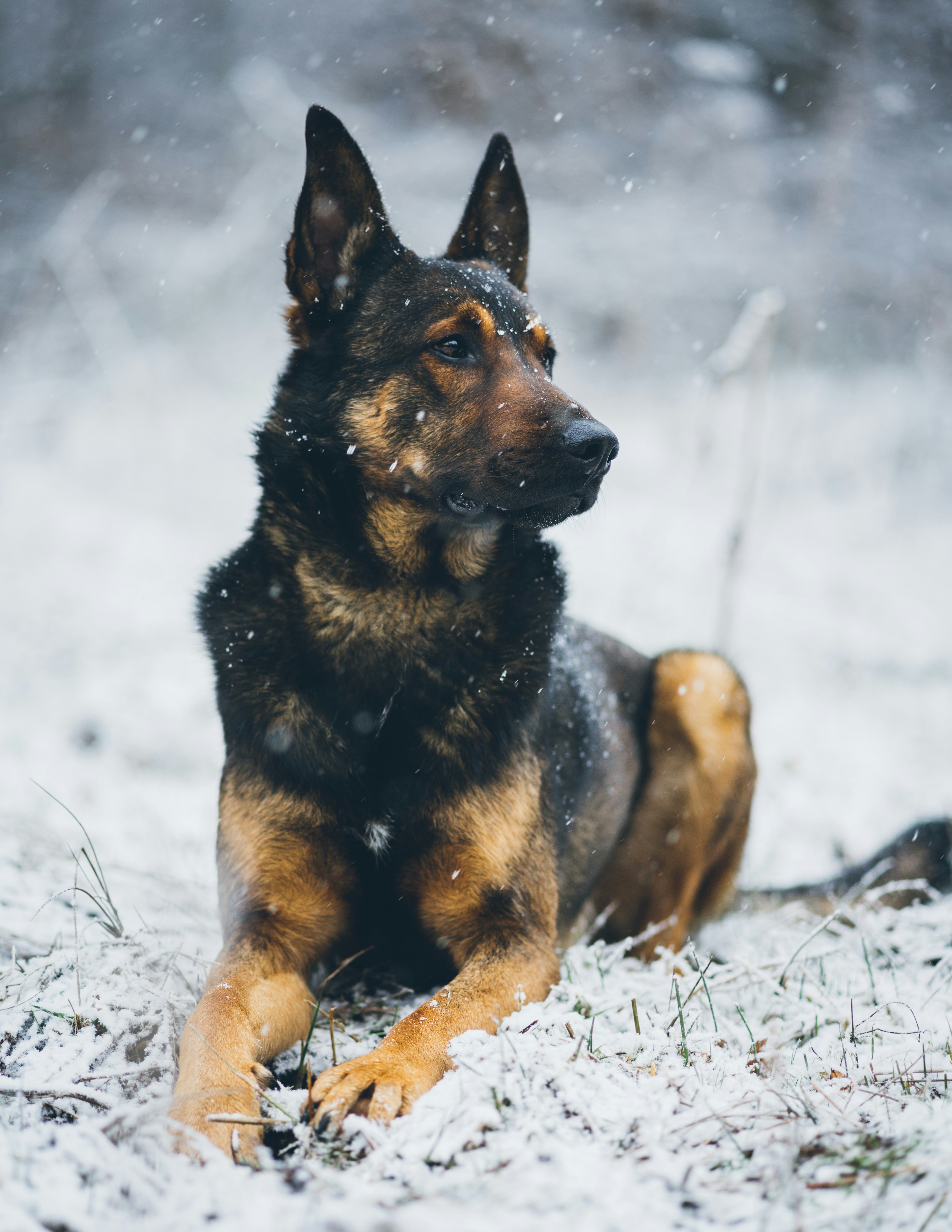
When to Start Adjusting: Around Age 7
The American Veterinary Medical Association classifies large-breed dogs as senior around age 5 to 6. Royal Canin starts their large-breed aging formula at age 5. In practice, most German Shepherd owners and vets settle on age 7 as the point where senior-specific feeding adjustments make sense.
That doesn’t mean your Shepherd wakes up on birthday number seven suddenly needing different food. The transition is gradual. Between ages 5 and 7, watch for the early signals: slower recovery after exercise, some stiffness in the mornings, or gradual weight gain on the same portions. Those are your cues that metabolism is shifting.
How Much to Reduce Calories
The biggest shift is straightforward. Your senior Shepherd needs fewer calories than he did at three.
According to the AKC’s guide to feeding senior dogs, most aging dogs benefit from a caloric reduction as activity declines and metabolism slows. A common guideline among veterinary nutritionists is a 10 to 20 percent cut from peak adult intake, depending on activity level.
In practical terms: if your adult Shepherd was eating about 1,800 calories per day, a moderate reduction brings that to roughly 1,450 to 1,620 calories. A very sedentary senior who mostly naps might need even less.
The exact number depends on your individual dog. A retired working dog who still gets long daily walks needs more than one who spends most of the day on the couch. Your vet can help dial in the right target at your Shepherd’s annual check-up.
Protein: Seniors Need More, Not Less
This is the part most owners get wrong, and it matters.
For years, the standard advice was to reduce protein as dogs age. That thinking has been overturned. According to the Merck Veterinary Manual’s section on feeding practices, healthy senior dogs actually benefit from maintained or increased protein to preserve lean muscle mass.
“Older dogs require more protein than younger adults to maintain protein reserves… Protein should not be restricted in older pets for the purpose of slowing the progression of renal failure.” — Tufts University Cummings Veterinary Medical Center
Muscle loss (sarcopenia) is a real problem in aging Shepherds. A dog who loses muscle loses mobility, and a dog who loses mobility declines fast. Higher-quality protein fights that.
When shopping for a senior food, look for a formula where protein makes up at least 25 percent of calories. Many premium senior formulas push into the low-to-mid 30s on a dry-matter basis, which is appropriate for a breed this size.
The exception: dogs with diagnosed kidney disease may need controlled protein levels. If your vet has flagged kidney concerns, follow their specific guidance rather than general senior feeding advice.
Hydration Matters More Than You’d Think
Older dogs are more prone to dehydration, and a Shepherd who isn’t drinking enough will show it in digestion, coat quality, and energy levels. A few things that help:
- Fresh water available at all times. Obvious, but worth checking. Some senior dogs drink less if the bowl is hard to reach or if they have joint pain from bending down.
- Add moisture to meals. Mixing a splash of warm water or low-sodium broth into kibble makes it easier to chew and digest. Many owners of senior Shepherds swear by this.
- Consider adding some wet food. The higher moisture content in canned food supports hydration naturally. Just account for the extra calories when calculating daily totals.
If you notice your Shepherd drinking noticeably more or less than usual, mention it to your vet. Changes in water intake can sometimes signal underlying health issues.
Signs of Overfeeding and Underfeeding in Seniors
Your Shepherd can’t tell you the food isn’t working anymore, but his body will. Watch for:
Overfeeding signs:
- Weight gain despite no change in portions (metabolism has slowed more than you accounted for)
- Loss of waist definition when viewed from above
- Ribs increasingly hard to feel under a layer of padding
- Reduced willingness to exercise, which can create a downward cycle
Underfeeding signs:
- Visible ribs, spine, or hip bones without light pressure
- Muscle wasting along the hindquarters and spine
- Dull, thinning coat, which may signal poor nutrient absorption
- Low energy beyond what you’d expect from normal aging
Muscle loss without weight loss is a particularly important warning sign. It often means not enough protein. The dog is losing muscle and gaining fat at the same weight, and the scale won’t catch it. Body condition scoring catches it immediately.
Monitoring Weight: A Simple System
Weigh your senior Shepherd once a month. If your dog is too large for a bathroom scale, weigh yourself first, then pick up the dog and subtract. Most vet clinics also have walk-on scales you can use for free.
Pair the monthly weigh-in with a body condition check: ribs, overhead view, side profile. The combination of number and visual assessment gives you the full picture.
If weight changes by more than 5 percent in either direction over a month without an obvious explanation, schedule a vet visit. In senior dogs, sudden weight shifts can signal thyroid issues, dental problems that make eating painful, or other conditions worth investigating early.
Meal Frequency for Senior Shepherds
Two meals per day remains the standard for most senior German Shepherds, just as it was during adulthood. Breakfast and dinner, roughly 12 hours apart, keeps blood sugar stable and digestion predictable.
Consider moving to three smaller meals per day if your senior Shepherd shows signs of digestive sensitivity, has trouble with larger portions, or tends to eat too fast and vomit after meals. Splitting the same daily calories across three meals puts less strain on the digestive system. The total amount of food stays the same. You’re just dividing it differently.
For a broader look at all things feeding-related, visit our feeding hub. To estimate your senior Shepherd’s daily portions, try the feeding calculator.
Frequently Asked Questions
How much food does a senior German Shepherd need per day?
Most senior Shepherds eat between 2 and 3.5 cups of kibble per day, depending on the food’s calorie density, the dog’s weight, and activity level. Expect to reduce adult portions by roughly 10 to 20 percent, with more sedentary seniors landing at the lower end of that range.
Should I feed my senior Shepherd less protein?
No. This is outdated advice. Current veterinary nutrition research indicates senior dogs benefit from higher protein to prevent muscle loss. Only reduce protein if your vet has diagnosed kidney disease or another condition requiring protein restriction.
When should I switch my German Shepherd to senior food?
Most owners make the switch around age 7. Watch for signals like weight gain on the same portions, reduced activity, or morning stiffness. There’s no single right day. The transition is gradual, and your vet can help you decide the best timing for your individual dog.
Disclaimer: This content is for general informational purposes only and is not veterinary advice. Consult a licensed veterinarian for decisions about your dog's health, diet, or medical care. Read full disclaimer →
Related Articles

Best Puppy Food for German Shepherds
Top 5 puppy foods for German Shepherds. Large-breed formulas with controlled calcium, joint support, and digestible proteins for German Shepherd puppies.
German Shepherd Feeding Schedule by Age
Complete feeding schedule for German Shepherds from puppy to senior. When to feed, how often, and how to build a routine that works.
How Much to Feed an Adult German Shepherd
Daily feeding amounts for adult German Shepherds. How much food by weight, activity level, and age, with adjustment tips.