This breed asks a lot.
That’s the honest starting point. A German Shepherd will change your daily routine, your budget, your furniture, and probably your car’s interior. In return, you get a companion that reads your moods, learns faster than you expect, and bonds with you in a way few other breeds can match.
I’ve lived with four Shepherds over 30 years. They’re not the easiest breed, but when things click, there’s nothing like it. The goal here isn’t to talk you into one or out of one. It’s to help you see clearly what you’re signing up for, so you can make the decision with open eyes rather than romantic ideas about the breed.
What They Actually Need
The AKC breed page rates German Shepherd energy at 5 out of 5. That’s not marketing. These dogs were developed for all-day herding and patrol work, and that genetic drive lives in every pet-line Shepherd too.
Plan for 1 to 2 hours of real exercise every day. Not a lap around the block. Brisk walks, fetch, running, hiking, swimming. And physical exercise alone isn’t enough. Shepherds need their brains worked too: training sessions, puzzle feeders, scent games, or some kind of job.
A tired Shepherd is a good Shepherd. An under-exercised one chews through door frames and digs trenches in your yard.
This isn’t something you can skip on busy weeks. Rain, snow, brutal heat. Your dog still needs to move. If being active daily doesn’t appeal to you, this breed will wear you down rather than grow on you.
Beyond exercise, here’s what a realistic daily schedule looks like:
| Activity | Time |
|---|---|
| Morning walk or exercise | 30–45 min |
| Evening walk or exercise | 30–45 min |
| Training and mental stimulation | 15–30 min |
| Brushing (2–3x/week, daily during coat blows) | 10–15 min |
| Feeding, water, general care | 15 min |
| Play and engagement | 15–30 min |
| Daily total | ~2–3 hours |
That’s 2 to 3 hours every day for 9 to 13 years. Not a phase. A lifestyle. And this isn’t a dog you can ignore between sessions. German Shepherds want to be part of whatever you’re doing. They’ll follow you from room to room, watch you cook, lie at your feet while you work. That constant presence is their best quality and their most demanding one.
Who They Work Well For
The AKC’s breed fit guide describes the ideal owner as someone active, engaged, and willing to train consistently. That tracks with what most long-term owners will tell you.
You’re a strong candidate if:
- You’re genuinely active and enjoy walking, hiking, or running
- You have 2 to 3 hours a day to spend with your dog
- You want a loyal companion that bonds deeply with one person or family
- You have a house with a fenced yard, or a solid plan for apartment life
- You enjoy training and want a dog that’s eager to learn
- You’re comfortable with a 9 to 13 year commitment through every life stage
- Fur on everything doesn’t faze you
Active families with older children tend to be a natural fit. German Shepherds are generally patient and protective with kids they’re raised with, though a 75-pound dog playing enthusiastically can knock over a toddler. Supervise young children around any large breed. Single owners who work from home and enjoy outdoor activity also tend to do well. The breed thrives on a close relationship with one person or a tight family unit.
“The German Shepherd Dog is, by nature, even-tempered and highly trainable. These are extremely versatile dogs. The breed’s intelligence and desire to work make them suitable for almost any task.” — German Shepherd Dog Club of America
That versatility is real. But it cuts both ways. A smart, driven dog that has nothing to do will find its own projects, and you won’t like most of them.
Who Should Think Twice
Some situations just don’t match what a German Shepherd needs. None of these make someone a bad dog owner. They point toward a different breed.
Long hours away from home. Shepherds bond deeply and want to be near you. Leaving one alone for 8 to 10 hours daily is a recipe for separation anxiety, destructive behavior, and barking complaints. If you work full-time outside the home with no one else around, plan for daycare, a midday walker, or reconsider. Four to six hours alone is a reasonable maximum for adults.
Low activity levels. If your ideal evening is the couch and a quiet house, a Shepherd will push against that constantly. They need to move.
No tolerance for mess. The double coat sheds year-round. Twice a year the undercoat blows out in clumps. Fur will be on your clothes, in your food, woven into your car seats. A good vacuum becomes a household essential. If dog hair genuinely bothers you, this breed will test you daily.
Expecting a social butterfly. Shepherds tend to be reserved with strangers. That’s breed temperament, not a flaw. Proper socialization helps, but don’t expect a Golden Retriever personality. Some warm up to visitors. Some never fully do.
Getting one strictly as a guard dog. The protective instinct is built in. You don’t need to train it in, and amateur “protection training” often creates a fearful or reactive dog. Real protection work requires professional guidance.
First-time dog owners without a plan. Can a first-time owner handle a German Shepherd? Yes, but it takes more preparation than choosing an easier breed. If you’ve done the research, budgeted for professional training classes, and built a realistic exercise plan, you’ll likely be fine. If you’re choosing this breed because they look impressive, stop and reconsider.
The Cost Reality
Owning a Shepherd isn’t cheap. They’re not the most expensive breed, but they’re well above average.
- Monthly costs: $150–$300 for food, preventatives, insurance, and basics
- First year total: $2,500–$5,500 including purchase or adoption, supplies, and training
- Emergency potential: A single hip dysplasia surgery can run $3,500–$7,000
- Lifetime (9–13 years): $15,000–$45,000+
That wide lifetime range reflects reality. Some Shepherds stay healthy their entire lives. Others face expensive orthopedic or digestive conditions. You can’t predict which category yours will fall into.
For detailed numbers, see our monthly cost guide or our broader look at whether the breed is expensive compared to others.
The financial commitment matters because running out of budget for veterinary care puts both you and your dog in a terrible position. Pet insurance is worth serious consideration for this breed specifically.
Health Realities
German Shepherds are among the breeds more commonly associated with certain health conditions. The big ones to know about:
Hip and elbow dysplasia. According to the OFA (Orthopedic Foundation for Animals), this breed has one of the higher rates of hip dysplasia among large breeds. A reputable breeder will test parent dogs and share OFA scores. This doesn’t guarantee your dog will be clear, but it shifts the odds meaningfully.
Bloat (GDV). Deep-chested breeds carry a higher risk of gastric dilatation-volvulus. This is a life-threatening emergency that requires immediate surgery. Knowing the signs matters.
Degenerative myelopathy (DM). A progressive spinal condition that affects mobility in older Shepherds. There’s no cure, but genetic testing of breeding stock can reduce risk.
EPI (exocrine pancreatic insufficiency). A digestive condition where the pancreas doesn’t produce enough enzymes. Manageable with supplements but a lifelong commitment.
None of this means your dog will develop these conditions. Many Shepherds live healthy lives into their early teens. But going in aware means you won’t be blindsided, and you can budget accordingly. For a deeper look, our health problems cost guide breaks down what treatment looks like financially.
Any concerns about a specific health condition should go to your veterinarian. This is informational, not diagnostic.
Living Situation Considerations
House with a yard is the standard recommendation for a German Shepherd, and it’s sound advice. A fenced yard gives your dog space to move, play, and patrol. If you have a yard, fence it. Six feet is standard. These dogs are athletic enough to clear shorter barriers.
Apartments can work with dedicated owners. But every bathroom break means leashing up. Every burst of energy has nowhere to go except into your furniture. If you’re in an apartment, be honest about whether you’ll maintain the exercise commitment on cold, rainy Tuesday nights.
Climate matters. The double coat handles cold well. Heat above 90°F is harder. Summer exercise should happen early morning or after sunset. If you live somewhere hot year-round, a Shepherd can adapt, but you’ll need to manage it carefully.
Noise. German Shepherds bark. Alert barking at the door, boredom barking when under-stimulated, demand barking when they want attention. Training helps significantly, but you won’t eliminate barking entirely. This is a vocal, communicative breed. In apartments with thin walls or neighborhoods with strict HOA rules, factor this in seriously.
Other pets. Most Shepherds get along fine with other dogs when socialized early. Cats are possible too, especially when raised together. But the breed does carry prey drive, and a cat that runs can trigger a chase response. If you have cats, plan for careful introductions and always provide escape routes the cat can access but the dog cannot.
When It Works, It Really Works
“The breed’s willingness to learn, coupled with its intelligence and physical ability, make the German Shepherd Dog the ultimate working companion.” — AKC breed standard overview
There’s a reason German Shepherds consistently rank among the most popular breeds in the country. A well-raised, well-exercised Shepherd is calm in the house, alert on walks, brilliant in training, and quietly devoted to its family.
They learn fast. They remember what you teach them. They read your body language better than most humans do. My second Shepherd would bring me his leash at exactly the time I started getting restless in the afternoon. They pay that much attention.
The bond is the part nobody warns you about. Not because it’s bad, but because it changes what you expect from a dog. Once you’ve lived with a Shepherd that truly trusts you, other breeds can feel distant by comparison.
If you commit through the hard first two years, through the adolescent chaos and the training plateaus, you come out the other side with one of the best dogs you’ll ever own. That’s not a sales pitch. It’s what happens when a high-drive breed lands with an owner who shows up every day.
Questions to Ask Yourself
Before you commit, sit with these honestly:
Can I give 2 to 3 hours a day, every day, for the next decade? Not just the fun parts. The rainy morning walks. The 6 a.m. bathroom trips. The training sessions when you’re tired.
Can I afford $150 to $300 a month, plus a veterinary emergency fund? The monthly costs are predictable. The emergencies are not.
Will someone be home for most of the day? If not, do I have a realistic plan for daycare, a walker, or flexible work?
Am I ready for the first two years? Adolescent Shepherds (roughly 6 to 18 months) are a handful. They test boundaries, they mouth everything, and they’re big enough to cause real trouble. Most Shepherds surrendered to rescues are between 8 months and 2 years old. That tells you exactly where the breakdown happens.
Do I want a dog that needs me, or a dog that’s fine without me? German Shepherds need involvement. If you want low-maintenance companionship, look at other breeds.
Can I handle the grooming? Brushing several times a week, daily during coat blows, vacuuming constantly. It’s not expensive, but it never stops.
If you answered honestly and you’re still drawn to the breed, that’s a strong signal. The people who do well with Shepherds are the ones who go in clear-eyed about the cost, the time, and the work, and decide it’s worth it anyway.
For the full financial picture, start with our cost hub or see what to expect in the first year. Going in prepared is the single best thing you can do for both yourself and your future dog.
Disclaimer: Cost estimates are approximations based on publicly available data. Actual costs vary significantly by location, provider, and individual circumstances. Read full disclaimer →
Related Articles
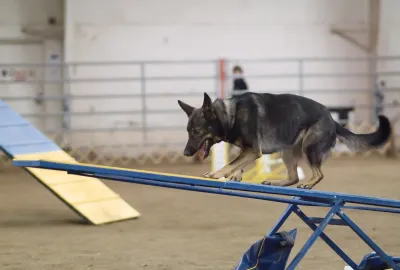
How Much Does a German Shepherd Cost Per Month
Monthly cost breakdown for owning a German Shepherd. Food, insurance, vet, grooming, and extras — with real estimates and ways to save.

German Shepherd First Year Cost Breakdown
Itemized first-year cost of owning a German Shepherd. Every expense from purchase to vet bills, with real prices and money-saving tips.
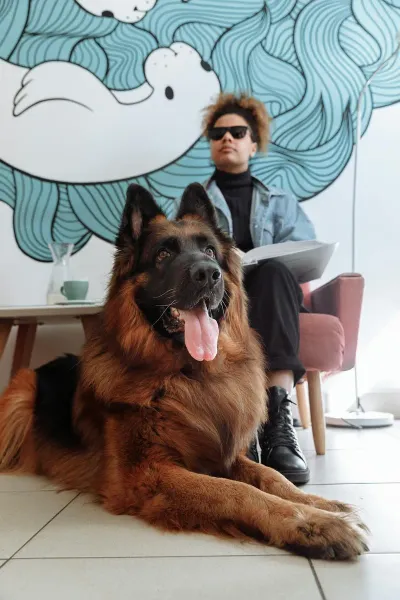
German Shepherd Common Health Problems and Costs
Every major health condition German Shepherds face, how common each is, and what treatment typically costs. Real data from OFA, Trupanion, and Nationwide.

German Shepherd Pros and Cons — Honest Guide
An honest look at the best and worst parts of owning a German Shepherd. What experienced owners love and what catches new owners off guard.
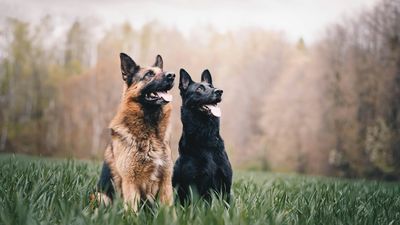
Is a German Shepherd Expensive to Own
Honest look at whether German Shepherds are expensive compared to other breeds. What costs more, what doesn't, and how to budget realistically.