German Shepherd Cost Guide
On this page · 9 sections
- 01The Big Pros and Cons, Weighed
- 02Is This Breed Right for You?
- 03Strengths That Keep Owners Coming Back
- 04Challenges Every Owner Should Expect
- 05Thrives vs Struggles: A Quick Match Check
- 06Working Line or Show Line: They’re Not the Same Commitment
- 07How Ownership Actually Plays Out Long Term
- 08Common Questions About Owning a German Shepherd
- 09Sources
Every breed has trade-offs. German Shepherds just happen to have bigger ones than most. The highs are higher, the lows are lower, and the gap between “perfect fit” and “terrible mistake” is wider than with a Lab or a Golden.
I’ve lived with this breed a long time. The loyalty is real. So is the hair on every piece of furniture I’ve ever owned. If you’re weighing this decision, here’s what nobody softens for you.
The Big Pros and Cons, Weighed
The defining trait of the breed cuts both ways. The same intense bond that makes a Shepherd feel like a partner is the reason it struggles when left alone. Read the two columns together, not separately.
| Biggest strengths | Biggest trade-offs |
|---|---|
| A bond deeper than almost any breed — reads you, stays close, works with you | That same attachment fuels separation anxiety when it’s left alone all day |
| Working intelligence ranked #3 of 110 breeds; learns most commands in under five reps | Breed-specific health costs are real: hip and elbow dysplasia, bloat, DM, EPI |
| Naturally protective and watchful, no guard training required | The guarding instinct needs lifelong socialization or it tips into reactivity |
| Versatile across sport, work, therapy, and family life | Shedding never stops — year-round, heavier twice a year, on everything you own |
Is This Breed Right for You?
The five questions below are the right-for-me test. They come down to the same deal-breakers as the strengths and challenges above.
Work them in order and stop at the first no. That no is your answer.
- Q1 Can you give 90+ minutes a day to real activity and training — not a stroll around the block?
- No Look at a different breed.A Lab or a Golden is lower-drive and far more forgiving of a missed day.
- Yes Continue to Q2.
- No
- Q2 Is someone home for a meaningful part of the day, or is there a midday-break plan?
- No Build the plan first.Line up a dog walker, daycare, or a flexible schedule before you commit. Separation anxiety runs deep in this breed.
- Yes Continue to Q3.
- No
- Q3 Can you absorb $3,000+ in unexpected vet bills without derailing your budget?
- No Sort insurance first, then revisit.Hip dysplasia, bloat, DM, and EPI are real breed costs. A chronic line item like a prescription diet can run ~$90 a month for years.
- Yes Continue to Q4.
- No
- Q4 Can you live with heavy shedding on everything you own, year-round?
- No Look at a different breed.Nothing eliminates the coat, and it blows out twice a year on top of the daily baseline.
- Yes Continue to Q5.
- No
- Q5 Will you train this dog every day for the next year, not just the first month?
- No Look at a different breed.Training is not optional with this breed. Skip it and the guarding instinct and energy turn into problems.
- Yes Good fit — this is the owner the breed was made for.Five yeses means your life has room for what a Shepherd needs.
- No
Strengths That Keep Owners Coming Back
The Bond Is Unlike Anything Else
Plenty of dogs love their owners. Shepherds are different. They watch you, read you, follow your mood shifts before you notice them yourself. After a few months, the connection feels less like pet ownership and more like a partnership. They check on you when something feels off. They position themselves between you and anything unfamiliar. That attentiveness is what most owners point to when they explain why they keep coming back to the breed.
According to the AKC breed profile, the German Shepherd is “courageous, confident, and smart” with a willingness to learn that few other breeds match. That description holds up in real life.
Intelligence That Shows Up Every Day
Stanley Coren’s research placed them third in working intelligence, behind Border Collies and Poodles. In practice, most Shepherds learn new commands in fewer than five repetitions. They problem-solve on their own, figure out door handles, and pick up household routines faster than you’d expect.
For owners who enjoy training, this is the payoff. A Shepherd that has a job to do is a happy dog. Obedience, agility, nose work, learning tricks for fun. They want to work with you, not just beside you.
Versatility No Other Breed Matches
Police K-9 units, search and rescue, military operations, therapy work, service dog programs. Very few breeds show up credibly across that entire range. For the average owner, that versatility means a dog who can hike all day, compete in obedience trials, and then settle next to you on the couch. They adapt to what you need, as long as you give them something to do.
Natural Protectiveness Without Training
A well-socialized Shepherd doesn’t need guard dog training. They’re naturally alert, naturally watchful, and they’ll position themselves between you and a stranger without being told. That’s not aggression. It’s awareness. Most can tell the difference between a welcome guest and someone who shouldn’t be there.
“The German Shepherd Dog is a true dog lover’s dog — loyal to their family, approachable with those they know, and naturally watchful with strangers.”
— American Kennel Club, Breed Profile

Challenges Every Owner Should Expect
Shedding That Never Actually Stops
This isn’t an exaggeration. Shepherds shed year-round, every single day, on everything you own. Twice a year during coat blows, the volume becomes almost comedic. You’ll find hair in your coffee, woven into clothes you haven’t worn in months, drifting across hardwood floors minutes after vacuuming.
Brushing two or three times a week helps manage it. Nothing eliminates it. If dog hair genuinely bothers you, this breed will make you miserable. Our shedding solutions guide covers the tools that help most.
Exercise Needs That Aren’t Flexible
Most adults need roughly 90 minutes to two hours of real physical activity daily. Not a gentle stroll around the block. Structured walks, fetch, tug, off-leash running, training sessions that tire the brain. Skip this consistently and the consequences show up fast: chewed furniture, dug-up yards, barking at nothing, anxious pacing. A bored Shepherd invents its own entertainment, and you won’t like any of it.
Breed-Specific Health Costs Add Up
This is where the financial reality lands. According to OFA evaluation data, German Shepherds are among the breeds more frequently affected by hip dysplasia. Bloat is a life-threatening emergency in deep-chested breeds, with surgery costs that can reach several thousand dollars. Degenerative myelopathy has no cure. Exocrine pancreatic insufficiency (EPI) requires lifelong management.
Loki is the story I go back to when I think about this. Bad food early in his life contributed to bladder stones, and the vet put him on Royal Canin Urinary SO. A prescription diet, roughly $90 a month. It kept him comfortable for years. The cost never stopped. A chronic line item like that is the part of ownership most buyers don’t plan for. It’s not dramatic. It’s just permanent.
Lifespan runs 9 to 13 years. Veterinary costs over a Shepherd’s lifetime often exceed what owners budget for. Pet insurance is worth serious consideration, and your vet can help you understand which screening tests make sense early on. Our health problems cost breakdown covers the most common expenses.
“Hip dysplasia is one of the most common skeletal conditions seen in dogs, particularly in large and giant breeds.”
— Cornell University College of Veterinary Medicine
Separation Anxiety Runs Deep
That intense bond has a flip side. Many Shepherds struggle when left alone for extended periods. Destructive behavior, excessive barking, house soiling, escape attempts. This is not a dog you can leave alone for ten hours a day, five days a week, and expect things to go well.
The Guarding Instinct Needs Management
Protectiveness is a pro until it isn’t. An under-socialized Shepherd can become reactive toward strangers, delivery drivers, guests, other dogs. Without early and consistent socialization, that natural alertness tips into behavior that’s stressful for everyone. Some homeowner and renter insurance policies restrict or exclude the breed entirely. Neighbors may be wary. None of it’s fair, but it’s real. We’ve written separately about reading and managing aggression, leash reactivity, and the more common problem of jumping on people. Those are the three behavior issues owners raise with us most.
The German Shepherd Dog Club of America emphasizes that responsible ownership includes structured socialization from puppyhood through adulthood.
Vocal Communication Is Part of the Package
Shepherds bark, whine, groan, and make sounds you didn’t know dogs could produce. They bark at deliveries, at squirrels, and sometimes at nothing obvious. Some of this is the guarding instinct. Some is just the breed being communicative. Training helps channel it, but expecting a quiet dog is not realistic with this breed.
Thrives vs Struggles: A Quick Match Check
| Trait | Thrives with a Shepherd | Struggles with a Shepherd |
|---|---|---|
| Daily time | 90+ minutes of structured activity | Walks the dog “when there’s time” |
| Training | Enjoys it, does it daily | Views it as a chore or optional |
| Household schedule | Someone home for part of the day | Empty 7am–6pm with no midday plan |
| Financial cushion | Can absorb $3,000+ unexpected vet bills | One bad year derails the budget |
| Shedding tolerance | Accepts hair on everything, year-round | Needs a tidy home and clean clothes |
| Dog experience | Experienced or committed first-timer | Wants a starter dog that runs itself |
| Reason for getting one | Wants a partner and knows what that means | Image, status, or breed fandom alone |
Who Thrives
People with active routines. Families where someone is home for a meaningful part of the day. Owners who see training not as a chore but as time well spent. Households that can absorb higher-than-average health costs and aren’t rattled by the idea of a dog that demands genuine engagement. Shepherds do well with experienced owners, but a committed first-timer who does the research can absolutely succeed. Our first-time owner mistakes guide covers the pitfalls worth avoiding. The deciding factor isn’t experience. It’s willingness to show up, every day, for a dog that notices when you don’t.
Who Struggles
People who want a low-maintenance companion. Households empty from 7am to 6pm with no plan for midday breaks. Anyone who treats training as optional. Owners who can’t handle the shedding or aren’t prepared for breed-specific health costs. There’s no shame in recognizing this isn’t the right match. Knowing that before you bring a dog home is better than figuring it out six months in.
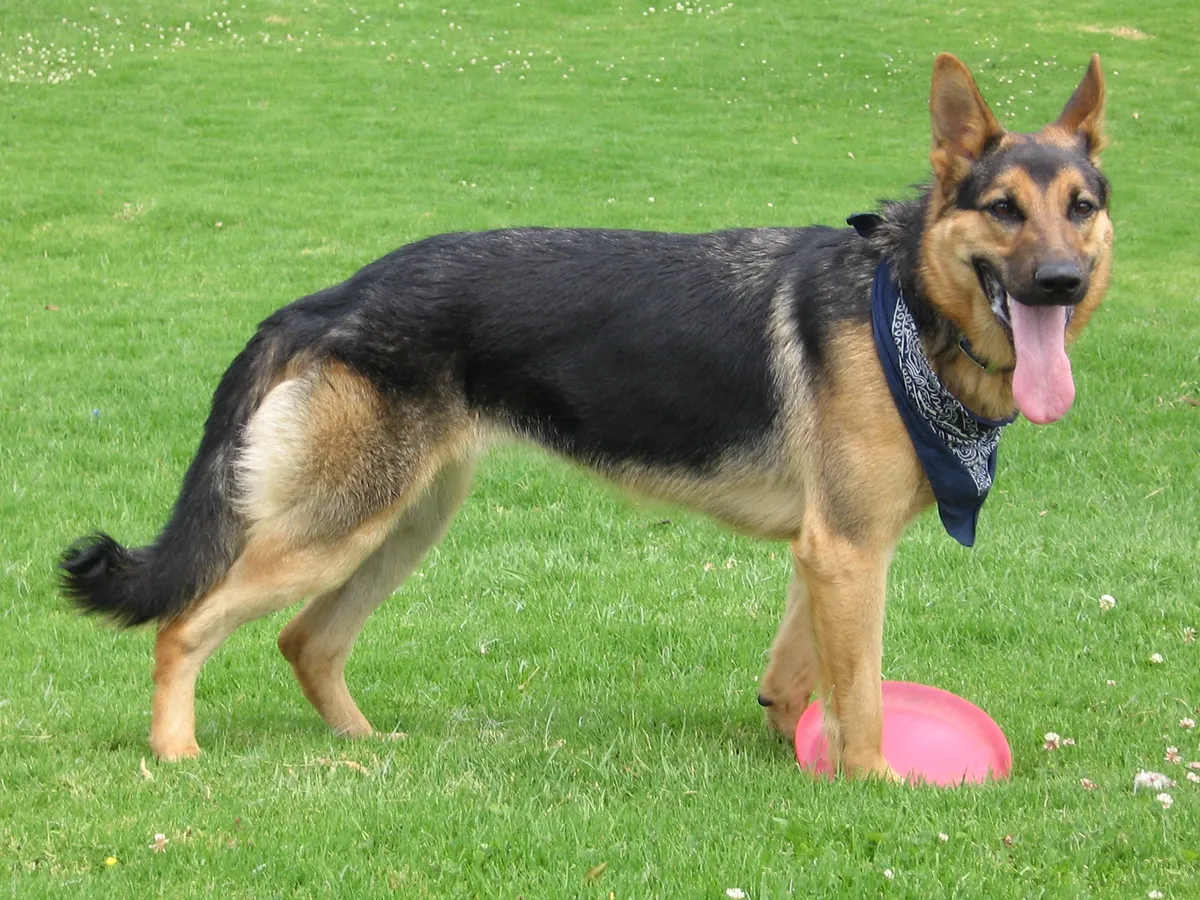
Working Line or Show Line: They’re Not the Same Commitment
One thing almost every other pros-and-cons article glosses over: “German Shepherd” covers at least three distinct populations, and the gap between them is wider than most first-time buyers realize. A show-line Shepherd from a reputable European SV breeder is calmer, softer, and closer in temperament to what most people picture when they imagine the breed. A working-line Shepherd from a serious sport or police kennel is closer in drive and intensity to a Belgian Malinois. The pros above apply to both. The cons apply more heavily to working lines.
If you’re new to the breed and an active pet is what you want, aim for a show-line or a balanced pet-line. Our European show line guide covers the SV breeding system and what you get for the price. If you’re a trainer or sport handler who already knows what you’re signing up for, a working-line is a different conversation. We touch on it in the vs Labrador comparison where the distinction matters most.
How Ownership Actually Plays Out Long Term
Most Shepherds fall between the breed’s best and worst reputation. You probably won’t get a dog that’s simultaneously Rin Tin Tin and a couch-eating nightmare. You’ll get a smart, loyal, sometimes stubborn animal that reflects the effort you put in. The owners who invest in training, socialization, and proper nutrition tend to describe their Shepherd as the best dog they’ve ever had. The ones who underestimate the commitment end up overwhelmed.
The trade-offs are real. So are the rewards. The real question isn’t whether the breed is good. It’s whether your life, right now, has room for what these dogs need.
For a deeper look at whether the fit works, see our decision guide. And if you’re thinking about the financial side, our German Shepherd cost guide breaks down what to expect year by year.
Common Questions About Owning a German Shepherd
Are German Shepherds good family dogs?
They can be excellent family dogs when socialized and trained from an early age. They tend to be protective of children. Their size and energy mean interactions with very young kids should always be supervised, and the whole household needs to commit to consistent rules. According to PetMD’s breed overview, they’re generally loyal and gentle with their families when raised properly.
How much does it cost to own a Shepherd per year?
Annual costs typically run $1,500 to $3,000 depending on your area and the dog’s health. Food, routine vet care, grooming, training, and insurance add up. Health issues can push individual years significantly higher. See our full cost breakdown for detailed numbers.
Are Shepherds aggressive?
Not inherently. They’re protective and alert, which people unfamiliar with the breed sometimes misread. Poor breeding, inadequate socialization, or lack of training can produce behavioral problems in any breed. A well-bred, well-raised Shepherd is typically confident and stable.
How long do German Shepherds live?
The typical lifespan is 9 to 13 years. Research suggests females tend to live slightly longer. Diet, exercise, genetics, and consistent veterinary care all influence longevity.
Can a first-time owner handle a German Shepherd?
Yes, with commitment. Shepherds do best with owners who invest in training and socialization from day one. A first-timer who does the research and stays consistent can absolutely succeed. The deciding factor is willingness, not prior experience.
Sources
Breed-statistic anchors on this page are sourced as follows. Last verified 2026-05-21.
- Oberbauer AM, Keller GG, Famula TR. Long-term genetic selection reduced prevalence of hip and elbow dysplasia in 60 dog breeds. PLOS ONE 2017;12(2):e0172918. PMC5325577. 18.9% hip / 17.8% elbow figures.
- O’Neill DG, Coulson NR, Church DB, Brodbelt DC. Demography and disorders of German Shepherd Dogs under primary veterinary care in the UK. Canine Genetics and Epidemiology 2017;4:7. PMC5557068. Lifespan median; behavioral cause-of-death share.
- Coren S. The Intelligence of Dogs. Free Press, 1994. Working-intelligence rank #3 across 110 breeds.
- American Kennel Club. German Shepherd Dog Breed Profile. akc.org. Breed standard quote box.
- Synchrony. 2025 Pet Lifetime of Care Study. synchrony.com. 15-year cost band $22,125-$60,602.
- Cornell University College of Veterinary Medicine. Hip Dysplasia. vet.cornell.edu. Hip-dysplasia framing quote box.
- German Shepherd Dog Club of America. Education. gsdca.org. Structured socialization framing.
- Orthopedic Foundation for Animals. Hip Dysplasia Statistics. ofa.org. Breed-level OFA reference.
Owner-experience anchors reflect Sam’s records across four Shepherds (Bruce, Xsardo, Loki, Blaze). Loki’s Royal Canin Urinary SO line is the documented chronic-cost reference.
Disclaimer: Cost estimates are approximations based on publicly available data. Actual costs vary significantly by location, provider, and individual circumstances. Read full disclaimer →
Follow new work
A new guide every week or so.
Roughly one new guide every week or so. Cost data, feeding research, breed health — sourced and dated. By Sam, in Belgium.
Related Articles

First-Time German Shepherd Owner Mistakes to Avoid
Experienced German Shepherd owners share the costly mistakes they wish they had avoided. Covers socialization, exercise, feeding, budgeting, and shedding.

Is a German Shepherd Expensive to Own
German Shepherds cost more than most breeds to own. Here's what drives those higher costs, what's avoidable, and how to budget realistically for the breed.

Is a German Shepherd Right for Me
Honest look at whether a German Shepherd fits your lifestyle, budget, and living situation. Exercise needs, monthly costs, health risks, and housing realities.