German Shepherd Cost Guide
You will never stop a German Shepherd from shedding. That should be the first thing anyone tells you when you bring one home. What you can do is manage it well enough that fur does not run your household.
I have lived with Shepherds for most of my adult life, and my floors still have tumbleweeds of fur rolling around by Wednesday if I slack off. The difference between a manageable home and a fur-coated disaster is routine, not miracles.
Why They Shed This Much
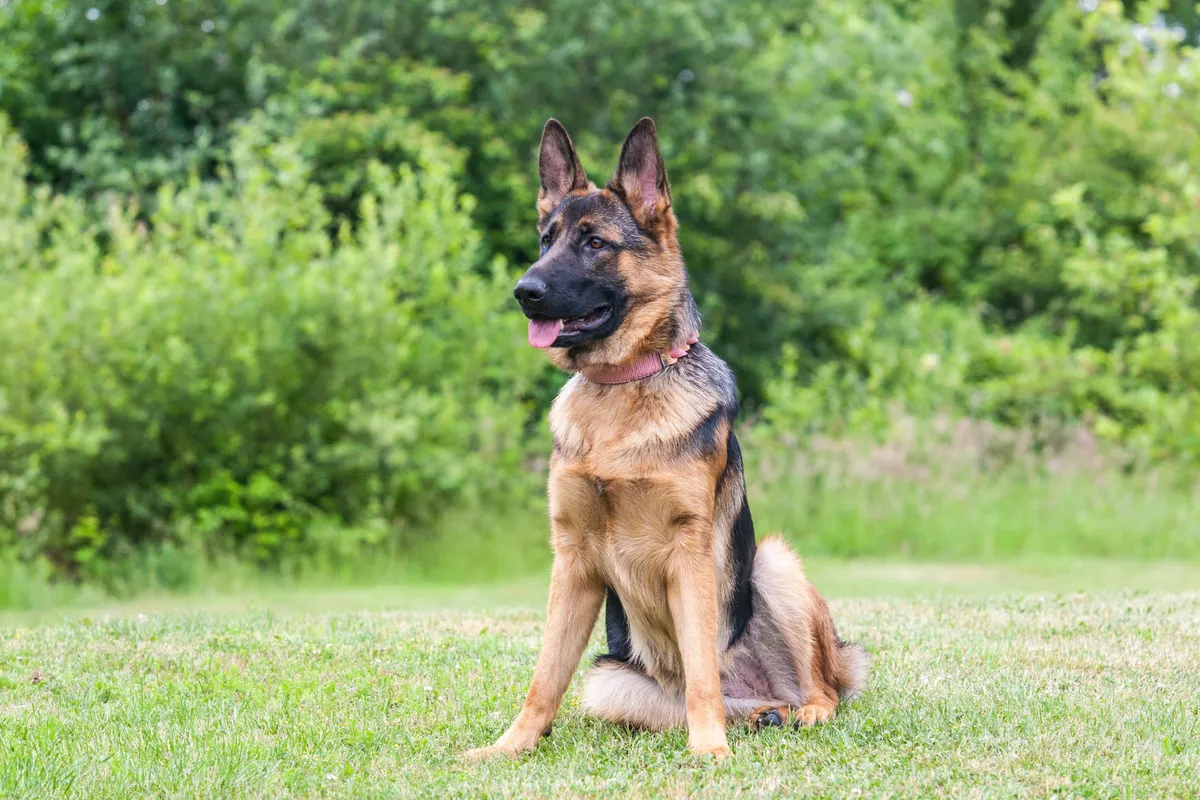
The answer is the double coat. German Shepherds carry two distinct layers of fur: a coarse outer coat of guard hairs that repels dirt and moisture, and a dense, soft undercoat that provides insulation. That undercoat is the source of most of the fur on your couch.
According to the AKC breed profile: The German Shepherd has a medium-length double coat that sheds year-round and “blows” its undercoat twice a year. This shedding pattern is a defining feature of the breed, not a flaw.
The outer coat sheds moderately throughout the year. The undercoat follows a seasonal cycle — it thickens in fall to prepare for winter, then releases in spring when warmer weather arrives. That seasonal release is what Shepherd owners call “blowing coat,” and it produces enough loose fur to stuff a pillow. Maybe two.
When German Shepherds Shed the Most
| Period | What Happens | Duration |
|---|---|---|
| Spring (March–April) | Heavy coat blow. Winter undercoat releases. | 2–4 weeks |
| Summer | Moderate shedding, lighter undercoat | Ongoing |
| Fall (September–October) | Moderate blow. Summer coat transitions to winter. | 2–4 weeks |
| Winter | Lower shedding, thicker undercoat growing in | Ongoing |
The spring blow is typically heavier. Your Shepherd is dumping the thick winter undercoat all at once. Many owners describe it as enough hair to build a second dog. That is barely an exaggeration.
Indoor Shepherds living in climate-controlled homes may shed more evenly throughout the year because the temperature cues that trigger coat blow are less pronounced. You will still see seasonal peaks, but they may be less dramatic.
Why Brushing Is the Most Effective Shedding Tool
Consistent brushing is the single most effective shedding tool. Nothing else comes close. Spirit Dog Training’s shedding guide confirms what every experienced owner already knows: frequency matters more than intensity.
Normal shedding periods: Brush three to four times per week using an undercoat rake or slicker brush. Each session takes five to ten minutes. This removes loose fur before it hits your floors and distributes natural oils through the coat.
During coat blow: Switch to daily brushing, ten to fifteen minutes per session. Use an undercoat rake first to pull out loose undercoat, then follow with a deshedding tool for deeper removal. A slicker brush finishes the job by smoothing the topcoat.
The key principle is simple — short, frequent sessions beat occasional marathon grooming. Five minutes daily removes more fur and causes less skin irritation than one 30-minute session per week.
For specific tools and the cost of DIY vs. professional grooming, see our grooming cost guide.
Deshedding Shampoos Worth Considering
Regular baths with the right shampoo make a noticeable difference during heavy shedding periods. Deshedding shampoos loosen dead undercoat, moisturize the skin, and reduce the fur that falls out between baths. For the biology behind the two annual coat blows and what is normal versus a sign of a skin problem, see our shedding guide.
FURminator Ultra Premium Deshedding Shampoo (~$12–$15 on Chewy) contains omega-3 and omega-6 fatty acids that support skin and coat health. Many Shepherd owners use it specifically during coat blow season — once a month during heavy shedding, every three to four months otherwise. Bathing too frequently strips natural oils and can actually increase shedding.
Earthbath Green Tea & Aloe Shampoo (~$30 per gallon on Chewy, dilutes 10:1) is a gentler option for Shepherds with sensitive skin. A single gallon lasts most owners well over a year at that dilution ratio, making it one of the better values in dog shampoo.
TropiClean Lime & Coconut Deshedding Shampoo (~$10–$14 on Chewy) is a solid budget option. It lathers well and rinses clean, which matters with a thick double coat. Leftover shampoo residue causes itching and flaking.
Home Tools That Reduce Indoor Fur
Brushing and bathing handle the dog. You also need to manage the fur that is already in your house.
Robot vacuums. A robot running daily is the single biggest quality-of-life upgrade for a Shepherd household. It will not replace a full vacuum session, but it keeps fur from accumulating between deep cleans. Pet-specific models with stronger suction and tangle-resistant brush rolls start under $200, with premium options running $600 or more.
Air purifiers. Shepherd fur carries dander, and dander carries allergens. A HEPA filter captures airborne particles that vacuuming misses. Basic models start under $50, with larger room-sized units at $100–$200. Worth the investment if anyone in the household has allergies.
Furniture covers. Not glamorous, but practical. Washable throws on the couch and bed cost $20–$50 and save you from embedded fur in upholstery. Toss them in the wash weekly during coat blow. Microfiber and tightly-woven fabrics resist fur better than cotton or fleece.
When Professional Deshedding Is Worth the Cost
Sometimes the best move is letting a groomer handle it. A professional deshedding session typically costs $60–$80 and includes a bath with deshedding shampoo followed by a thorough blow-dry with a high-velocity dryer. That dryer is the real advantage — it blasts out loose undercoat far more effectively than any brush. A single session during peak coat blow can remove more fur in 90 minutes than a week of home brushing.
Most Shepherd owners who use professional deshedding book it once or twice a year, timed to spring and fall coat blow. Every six to eight weeks is the recommendation for year-round management, but that adds up to $400–$600 annually. For most people, the hybrid approach works best: routine brushing at home, plus one or two professional sessions during coat blow. For a full cost comparison, see our grooming cost breakdown.
How Diet Affects Coat Health and Shedding
What your Shepherd eats shows up in the coat. A diet with adequate protein and fat supports healthy skin and a stronger coat structure, which means less breakage and less loose fur between seasonal blows. Dogs on low-quality food with filler-heavy formulas often shed more year-round because the coat never reaches full health.
Omega-3 fatty acids from fish oil can help reduce inflammation in the skin and support coat quality. According to Tufts Veterinary Nutrition, most commercial dog foods already contain adequate fatty acids for healthy dogs, but supplementation may benefit dogs with dry or dull coats. A vet-recommended fish oil supplement is the most common addition Shepherd owners make. If your dog has persistent skin problems, food quality is one of the first things your vet will evaluate.
Supplements will not eliminate shedding. A Shepherd with a healthy diet on the best food available will still shed heavily twice a year — but good nutrition reduces the baseline between those seasonal blows and keeps the coat in better condition overall.
When Shedding Signals a Health Problem
Not all shedding is normal seasonal coat cycling. Stress, allergies, thyroid conditions, and parasites can all trigger abnormal hair loss. The key differences to watch for: bald patches, red or inflamed skin, excessive scratching, and shedding that does not follow the usual spring and fall pattern.
Allergies are one of the more common culprits in German Shepherds. Environmental allergens and food sensitivities both affect the coat. If shedding comes with chronic itching or hot spots, a vet visit is the right move. Our guide on food allergies covers the dietary side. For a broader look at breed-specific health issues and their costs, see our health problems and costs breakdown.
Common Approaches That Do Not Work
A few strategies that sound reasonable but fall short.
Shaving the coat. Never shave a Shepherd’s double coat. It does not reduce shedding. The undercoat still grows and sheds. Worse, shaving disrupts temperature regulation and sun protection. The coat may not grow back correctly. The AKC is clear on this: the double coat serves a purpose.
Supplements alone. Omega fatty acid supplements can support coat health, but they will not dramatically reduce shedding in a healthy dog. They work best as part of a quality feeding routine, not as a standalone fix. If shedding seems excessive beyond normal seasonal patterns, consult your veterinarian. It could indicate an underlying health issue.
Infrequent but intense grooming. One long brushing session per week does not match the results of five to ten minutes daily. Consistency beats intensity every time with this breed.
What “Excessive” Shedding Actually Looks Like
Seasonal shedding, even when it seems extreme, is normal. The signs that mean not normal: bald patches, red or inflamed skin, persistent scratching, or shedding that doesn’t follow the spring/fall pattern. Those warrant a vet visit — possible allergies, thyroid issues, or external parasites. Our Pet Groomer’s breed guide has additional context on what normal Shepherd coat care looks like.
For the full picture of ongoing ownership costs, check our monthly cost breakdown or visit the full cost guide. If you are still deciding whether a Shepherd fits your life, our pros and cons guide covers the shedding reality alongside everything else.
Disclaimer: Cost estimates are approximations based on publicly available data. Actual costs vary significantly by location, provider, and individual circumstances. Read full disclaimer →
Follow new work
A new guide every week or so.
Roughly one new guide every week or so. Cost data, feeding research, breed health — sourced and dated. By Sam, in Belgium.
Related Articles
How Much Does a German Shepherd Cost Per Month
A realistic monthly cost breakdown for German Shepherd owners. Food, insurance, preventatives, grooming, and training with US averages and ways to save.
German Shepherd Grooming Costs — DIY vs Professional
German Shepherd grooming costs $60-$100 per pro session, or $30-$50/year DIY after a one-time $80 tool kit. Full breakdown, hybrid math, and savings.
German Shepherd Common Health Problems and Costs
Every major health condition German Shepherds face, how common each is, and what treatment typically costs. Real data from OFA, Nationwide, and vet sources.