Best German Shepherd Food
Food allergies in German Shepherds don’t always look like a stomach problem. They often show up as chronic skin issues, and they can develop long after a dog has been eating the same diet without trouble. If your Shepherd has been scratching, chewing at paws, or battling ear infections that won’t quit, the food bowl is worth investigating. Investigating, not assuming: environmental allergy is the more common culprit, and our guide to food versus environmental triggers covers how to tell them apart before you start a diet trial.
The rest of this guide covers how to confirm it’s actually an allergy, run an elimination diet properly, and what to look for on labels. For broader feeding advice, start with our German Shepherd feeding guide. If you’re still working out whether the trigger is food at all versus environmental allergens or fleas, read the breed allergies guide first — it covers the full triage before you commit to an elimination diet.
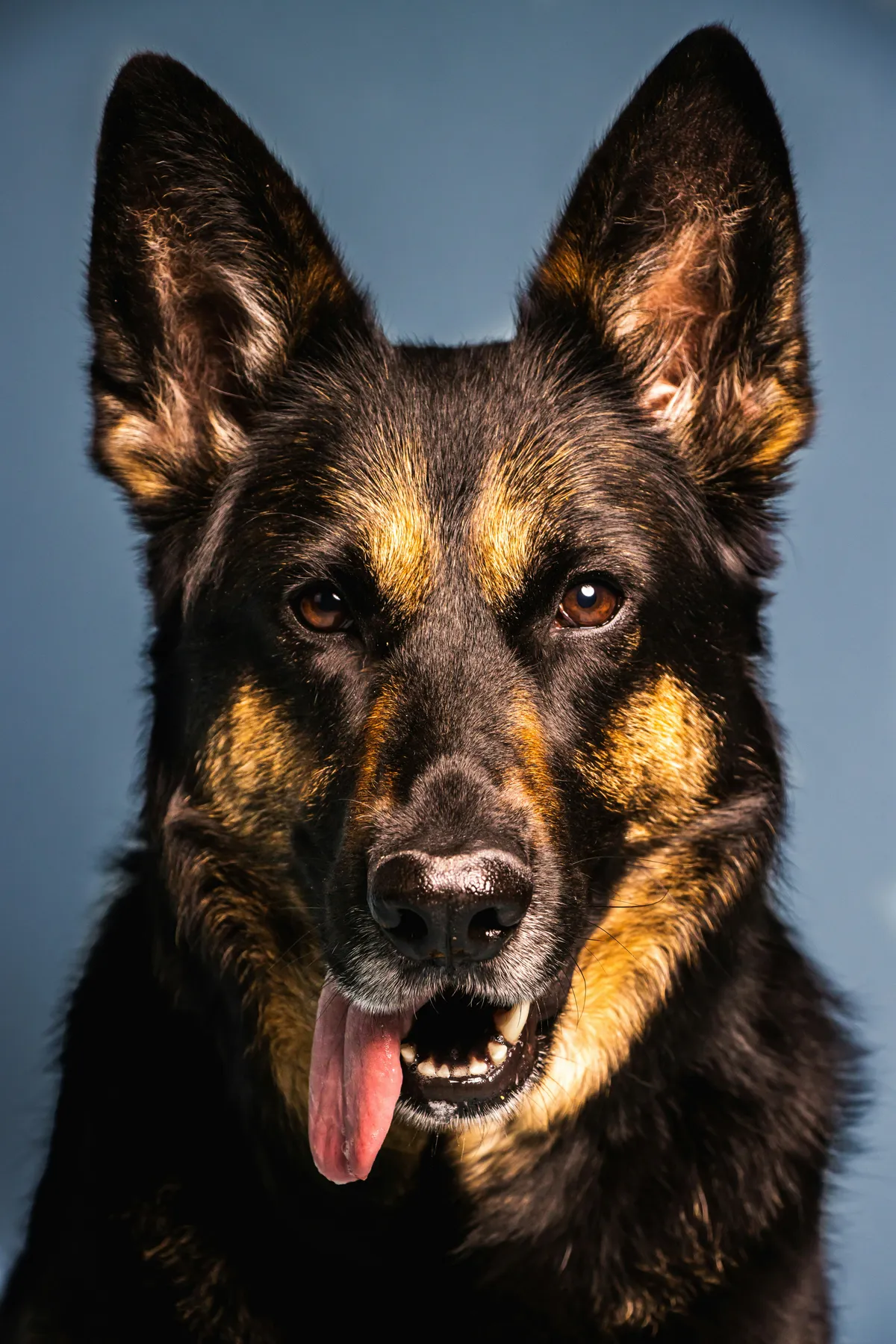
What Food Allergies Look Like in This Breed
Most people picture vomiting and diarrhea when they hear “food allergy.” The reality is more subtle. True food allergies trigger an immune response, and in dogs, that response targets the skin far more often than the gut.
Common signs include:
- Persistent itching that doesn’t follow a seasonal pattern and doesn’t respond to flea treatment
- Recurrent ear infections, particularly when both ears are affected
- Paw chewing and licking. Look for reddish-brown staining between the toes.
- Skin irritation concentrated around the face, groin, or armpits
- Digestive symptoms in roughly half of cases: loose stool, gas, occasional vomiting
The year-round pattern is the key detail. Environmental allergies tend to flare seasonally. Food allergies don’t take summers off. For more on skin-related dietary issues, see our guide to food for German Shepherd skin problems.
According to the Merck Veterinary Manual, food allergies account for a relatively small percentage of all allergic skin disease in dogs, but the breed is among those more commonly diagnosed. If your dog shows several of these signs simultaneously, a conversation with your vet is the right first step.
Which Allergens Cause the Most Problems
There’s a persistent myth that grains are the main culprit behind food allergies. The data tells a different story.
| Allergen | Percentage of Confirmed Cases |
|---|---|
| Beef | 34% |
| Dairy | 17% |
| Chicken | 15% |
| Wheat | 13% |
| Soy | 6% |
| Lamb | 5% |
| Corn | 4% |
| Egg | 4% |
Data from a veterinary review of 297 dogs with confirmed food allergies (BMC Veterinary Research).
Beef, dairy, and chicken together account for about two-thirds of cases — and those are also the three most common proteins in commercial dog food. That’s not a coincidence. Dogs develop allergies to proteins they’re exposed to repeatedly over time. Grains get blamed often, but they’re responsible for a much smaller share of confirmed reactions. If you’re curious about the grain-free debate, our grain-free food guide covers it in detail.
Tufts University’s veterinary nutrition team notes that true food allergies are far less common than most pet owners believe. Many dogs labeled “allergic” actually have food intolerances or environmental allergies that happen to overlap with dietary changes.
— Cummings Veterinary Medical Center, Tufts University
Food Allergy vs. Food Intolerance
The distinction matters because it changes your approach.
| Food Allergy | Food Intolerance | |
|---|---|---|
| Mechanism | Immune system response | Non-immune digestive reaction |
| Primary symptoms | Skin issues, with GI symptoms in ~50% of cases | GI symptoms (diarrhea, gas, vomiting) |
| Trigger threshold | Trace amounts can cause a reaction | Dose-dependent; small amounts may be tolerated |
| Diagnosis | 8-12 week elimination diet | Remove the ingredient, symptoms resolve |
An intolerance is frustrating but manageable. Dogs with a sensitive stomach often do well once the offending ingredient is removed. A true allergy requires strict identification and complete avoidance of the trigger protein.
How an Elimination Diet Works
The only reliable method for diagnosing a food allergy is an elimination diet supervised by your vet. Blood and saliva tests marketed for food allergies are widely considered unreliable by veterinary dermatologists, including the American College of Veterinary Dermatology.
The process runs roughly 8 to 12 weeks:
Weeks 1-2: Choose a novel protein diet. Pick a food with a single protein your dog has never eaten — venison, rabbit, duck, or a hydrolyzed protein formula your vet prescribes. Fewer ingredients means fewer variables.
Weeks 2-12: Feed exclusively. Nothing else goes in your dog’s mouth. No treats, no table scraps, no flavored supplements or medications. Even a small amount of the suspected allergen can trigger a response and ruin the trial. If your dog needs treats for training, ask your vet for single-ingredient options that match your elimination protein.
Week 12: Evaluate. If symptoms have improved significantly, food allergy is the likely cause.
Weeks 12-14: Challenge. Reintroduce the old food. If symptoms return within one to two weeks, the allergy is confirmed — you can then systematically reintroduce individual proteins to identify the specific trigger.
Most owners find the timeline agonizing, but shorter trials produce unreliable results. Many cases get missed entirely because the elimination period was cut short.

What to Look for in a Limited Ingredient Food
For confirmed or suspected food allergies, you’re looking for a few specific things in any food you consider:
- A single animal protein source your dog hasn’t eaten before. “Novel” just means new to your dog’s immune system.
- A short ingredient list. Every additional ingredient is another potential variable. Aim for formulas with 7 to 12 total ingredients. Our limited ingredient diet guide walks through the 5 formulas that meet this bar and matches them to specific symptom patterns.
- No shared manufacturing lines if possible. Some over-the-counter foods contain trace amounts of unlisted proteins from shared equipment.
- Adequate nutrition. A limited ingredient diet still needs to be nutritionally complete. Check for an AAFCO statement confirming the food meets maintenance requirements.
- Omega-3 fatty acids. Fish oil or added EPA/DHA support skin barrier function, which matters for dogs dealing with allergy-related skin damage. A food with fish as its protein source often covers this naturally.
Before choosing anything, review every food and treat your dog has eaten. Many treats contain chicken or beef even when the main diet doesn’t, and that quiet exposure counts. For help dialing in the right amount once you’ve picked a formula, check our adult feeding portions guide.
Formulas That Work for Allergy-Prone Dogs
These aren’t ranked. The right choice depends on which proteins your dog has been exposed to and which triggers you’re trying to avoid. At the time of writing, the formulations below match the listed specs. Formulations change, so always check the current label.
| Product | Protein | Fat | Animal Protein Source | Bag Size | Approx. Price |
|---|---|---|---|---|---|
| Canidae PURE Salmon & Sweet Potato | 24% | 14.5% | Salmon (single) | 24 lb | ~$68 |
| Natural Balance L.I.D. Sweet Potato & Venison | 21% | 10% | Venison (novel) | 26 lb | ~$72 |
| Merrick LID Salmon | 30% | 12% | Salmon (single) | 22 lb | ~$65 |
| Zignature Lamb | 27% | 14% | Lamb (single) | 25 lb | ~$70 |
Canidae PURE Salmon & Sweet Potato keeps the ingredient list to 7-10 items, which is remarkably short for a dry kibble. Salmon sidesteps the top three allergens, and the 24% protein and 14.5% fat are well-suited for an adult at maintenance. The simplified formula makes it practical for owners still working through the identification process. It does contain peas and lentils, which some owners prefer to avoid.
Natural Balance L.I.D. Sweet Potato & Venison uses a protein most dogs have genuinely never encountered. That makes it useful during an elimination diet or for confirmed allergies to more common proteins. The 21% protein and 10% fat are on the lower end, which works for moderately active dogs but may leave high-drive working dogs underfueled.
Merrick LID Salmon delivers the highest protein on this list at 30%, which is notable for a limited ingredient formula. For dogs that need both allergy management and higher protein for their activity level, this hits a useful balance. The 22-pound bag size does mean more frequent purchases for a large breed.
Zignature Lamb builds its entire line around excluding the most common allergens. At the time of writing, the formula contains no chicken, corn, wheat, soy, dairy, or eggs. Lamb sits at only 5% on the allergen frequency list, making it a lower-risk choice. The 27% protein and 14% fat provide solid nutrition. Keep in mind that lamb isn’t truly novel if your dog has encountered it through treats or mixed-protein foods.
Supporting Skin Health During Allergy Management
Diet is the foundation, but a few additions can help the skin recover faster once you’ve identified and removed the trigger.
Fish oil supplements provide concentrated EPA and DHA, which reduce inflammatory responses in the skin. If your chosen food doesn’t use fish as its protein, adding a fish oil supplement is worth discussing with your vet. Dosing depends on your dog’s weight and the severity of the skin issues.
Zinc supports skin cell turnover and coat quality. Most complete dog foods include adequate zinc, but the breed is among those more prone to zinc-responsive skin conditions. Your vet can check levels if skin problems persist despite dietary changes.
Probiotics may help in some cases. Emerging research suggests gut health influences immune responses, including allergic reactions. A probiotic won’t replace an elimination diet, but it may support the process.
When to Involve Your Veterinarian
For suspected food allergies, veterinary involvement isn’t optional. Here’s why:
- Accurate diagnosis matters. Food allergies, environmental allergies, and skin infections share symptoms. Treating the wrong condition wastes time and money.
- Prescription hydrolyzed protein diets break proteins into pieces too small to trigger an immune response. These are more reliable for elimination trials than over-the-counter options.
- Secondary infections need treatment. Dogs with chronic allergies often develop yeast or bacterial skin infections that won’t clear up with a diet change alone.
- Some cases need a dermatologist. If standard approaches don’t resolve things, a veterinary dermatologist can run more targeted diagnostics.
Many owners try multiple food switches before consulting a vet, which often delays resolution by months. If you suspect food allergies, start with your vet rather than working through the pet store aisle. The AKC’s overview of food allergies in dogs reinforces that proper veterinary diagnosis is the foundation of effective management. Allergy testing and treatment do add to the cost of owning the breed, but catching it early saves money long-term.

For more on digestive-focused options, see our guide to food for sensitive stomachs. For a broader look at feeding guidelines, visit our German Shepherd feeding guide.
Disclaimer: This content is for general informational purposes only and is not veterinary advice. Consult a licensed veterinarian for decisions about your dog's health, diet, or medical care. Read full disclaimer →
Follow new work
A new guide every week or so.
Roughly one new guide every week or so. Cost data, feeding research, breed health — sourced and dated. By Sam, in Belgium.
Related Articles

Best Food for Adult German Shepherds
What adult German Shepherds actually need from their food. Protein, fat, joint support, and four formulas reviewed with a side-by-side comparison table.

Best Grain-Free Food for German Shepherds
Top grain-free dog foods for German Shepherds. What to know about the FDA grain-free debate, plus 5 picks that meet German Shepherd nutritional needs.

Best Food for German Shepherds with Sensitive Stomachs
German Shepherds are prone to sensitive stomachs. How to choose the right food, from probiotic-rich formulas to limited ingredient diets that work.

Best Food for German Shepherds with Skin Problems
Best food for German Shepherds with skin problems, hot spots, and itchy coats. Fish-based formulas with omega-3s that support skin repair.

How Much to Feed an Adult German Shepherd
How much to feed an adult German Shepherd per day by weight and activity level. Calorie math, body condition scoring, bloat prevention, and meal portions.