Yes, German Shepherds can eat rice. Both white and brown rice are safe, and white rice in particular is one of the most commonly recommended foods for dogs dealing with digestive upset. Veterinary sources including the AKC and PetMD list plain cooked white rice as part of a standard bland diet for dogs recovering from stomach issues.
Rice is a supplement, though, not a meal replacement. Our German Shepherd food guide covers complete diet recommendations. Here is what you need to know about feeding rice safely.
“The AKC states that white rice is frequently recommended by veterinarians for dogs with an upset stomach, as it is easy to digest, quick to prepare, and low in fiber.” — AKC
White Rice vs. Brown Rice
Not all rice works the same way for dogs, and the distinction matters when your Shepherd’s stomach is already off.
White Rice
White rice is the go-to for digestive recovery. It is easy to digest, low in fiber, and gentle on an irritated gut. Most veterinarians recommend it as part of a bland diet because it firms up stool without adding complexity to the digestive process.
Brown Rice
Brown rice is nutritionally richer with more fiber, more vitamins, and more minerals. But that extra fiber makes it harder to break down, which is the opposite of what you want during a bout of diarrhea or vomiting. Save brown rice for when your dog’s digestion is running normally and you want to add a small amount of whole grain to their bowl.
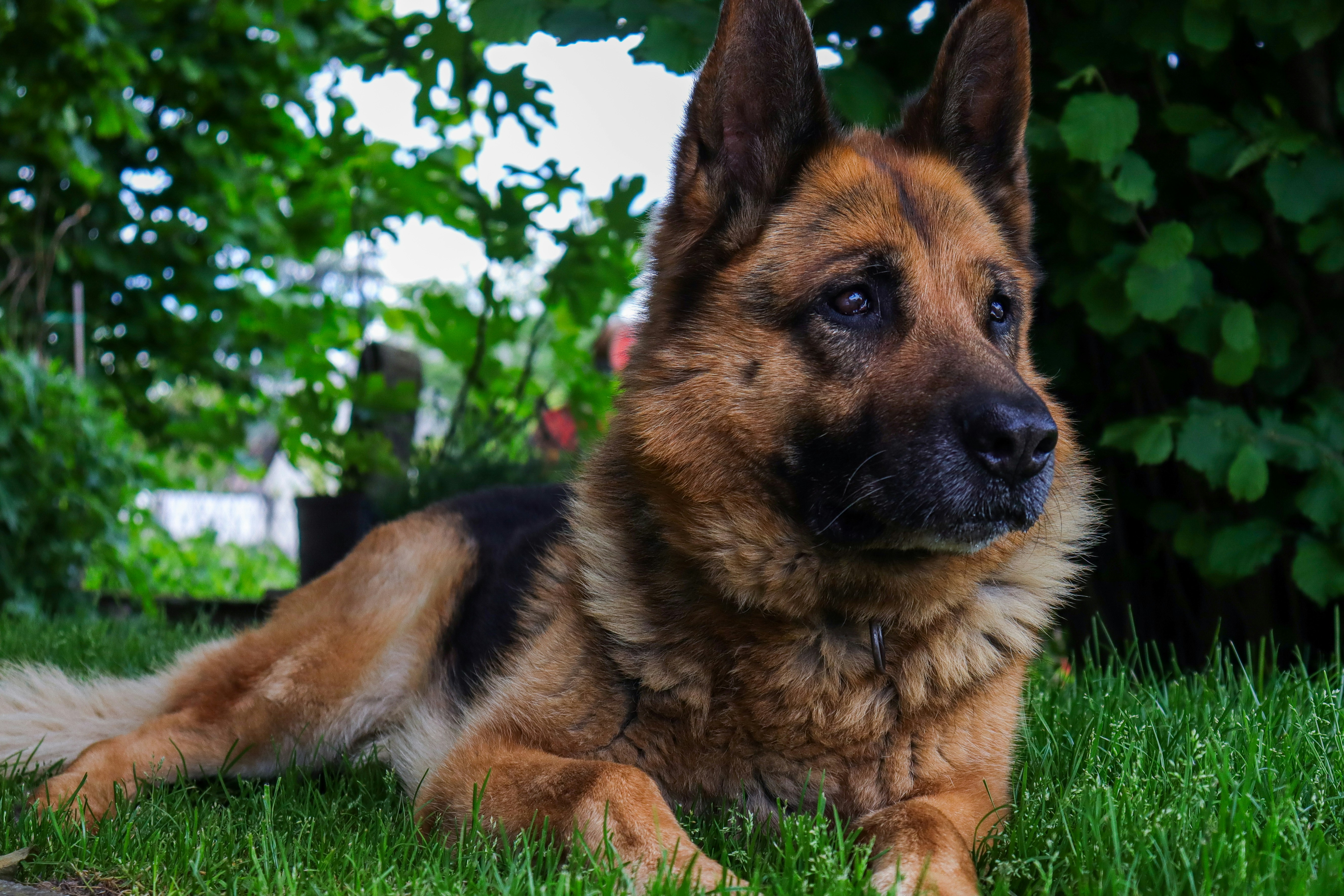
The Bland Diet: Rice and Boiled Chicken
The classic veterinary bland diet is simple: plain boiled chicken breast (no skin, no seasoning) mixed with plain cooked white rice. The AKC recommends a ratio of roughly two parts rice to one part chicken, fed in small portions over two to five days while a dog’s GI system recovers.
This works well for Shepherds dealing with:
- Mild diarrhea or loose stool
- Vomiting that has subsided but appetite is cautious
- Recovery after a dietary indiscretion (raiding the trash, eating something they should not have)
If symptoms do not improve within two to three days on a bland diet, or if they worsen at any point, consult your veterinarian. The Merck Veterinary Manual recommends veterinary evaluation for GI symptoms that persist beyond 48 hours. A bland diet is a short-term bridge, not a treatment plan.
How Much Rice Is Safe
Rice should make up no more than about 10% of your German Shepherd’s daily caloric intake when used as a regular supplement. For a 70-pound Shepherd eating around 1,500 calories per day, that is roughly a quarter cup of cooked rice.
During a bland diet prescribed by your vet, rice will temporarily make up a larger portion of meals. That is fine for a few days. The concern with long-term overfeeding is that rice is calorie-dense and carbohydrate-heavy. Too much can contribute to weight gain without providing the protein and fat a working breed needs.
When to Avoid Rice
Rice is one of the safer human foods for dogs, but there are a few situations where you may want to skip it:
- Diabetic dogs: White rice has a high glycemic index. It causes a faster blood sugar spike than brown rice or most other grains. The AVMA recommends consistent dietary management for diabetic pets. If your Shepherd has been diagnosed with diabetes, talk to your vet before adding rice to meals.
- Dogs on a strict weight-loss plan: The extra carbohydrates can work against calorie-reduction goals.
- Arsenic concerns at high volume: The FDA has noted trace arsenic levels in rice, primarily a concern for humans eating large quantities daily. For dogs eating small amounts, this is not considered a meaningful risk, but it is one more reason not to make rice a dietary staple.
Rice allergies in dogs are rare. Rice is actually used as a carbohydrate source in many limited ingredient diets precisely because so few dogs react to it. If your Shepherd tolerates commercial foods containing rice, plain cooked rice should be fine too.
How to Prepare Rice for Your German Shepherd
Keep it plain. No butter, no salt, no garlic, no seasoning of any kind. Alliums like garlic and onion are toxic to dogs, and even small amounts of added fat can defeat the purpose of a bland diet.
Cook the rice fully. Slightly overcooked is better than undercooked for digestibility. Let it cool to room temperature before serving.
Frequently Asked Questions
Can German Shepherd puppies eat rice?
Yes. Puppies can eat small amounts of plain cooked white rice, and it is commonly used in bland diets for puppies with mild stomach upset. Keep portions small relative to their body size, and do not replace their puppy food with rice for more than a day or two without veterinary guidance. Growing puppies need the balanced nutrition in their regular formula.
Is rice better than pasta for Shepherds?
Both are safe in small amounts. Rice is generally easier to digest and less likely to contain added ingredients (many pastas include eggs or salt). For bland diets specifically, white rice is the standard veterinary recommendation over pasta.
How long can I feed my German Shepherd a bland rice diet?
The AKC recommends two to five days for most cases of mild GI upset. After that, gradually transition back to your dog’s regular food over three to four days by mixing increasing amounts of kibble with decreasing amounts of bland diet. If your Shepherd still is not tolerating regular food after a week, that warrants a vet visit.
Can rice cause constipation in German Shepherds?
White rice can firm up stool, which is part of why it is used during diarrhea. In a dog with normal digestion, large amounts of white rice without enough fiber or water could potentially contribute to harder stool. This is uncommon at normal serving sizes and another reason to keep rice as a supplement rather than a main course.
Looking for what your Shepherd should never eat? Read Foods German Shepherds Should Never Eat for the full list. For more on building a solid feeding routine, check out the complete feeding hub.
Disclaimer: This content is for general informational purposes only and is not veterinary advice. Consult a licensed veterinarian for decisions about your dog's health, diet, or medical care. Read full disclaimer →
Related Articles

Foods German Shepherds Should Never Eat
A complete list of foods that are toxic or dangerous for German Shepherds. What's genuinely dangerous vs just not recommended.

German Shepherd Not Eating — What to Check
Common reasons a German Shepherd stops eating and when to worry. Medical causes, behavioral triggers, and when to call the vet.

Best Food for German Shepherds with Sensitive Stomachs
Why German Shepherds are prone to digestive issues and how to choose the right food. Limited ingredient, probiotic, and novel protein strategies.