A Shepherd that skips a meal is not automatically a crisis. Healthy adult dogs can go a day without eating and be perfectly fine. But this breed tends to be enthusiastic about food. Most will inhale dinner before you have even straightened up from setting the bowl down. So when one walks away from a full dish or shows zero interest at mealtime, it grabs your attention fast.
The real question is whether you are dealing with something medical, something behavioral, or something that just needs a day to pass on its own.
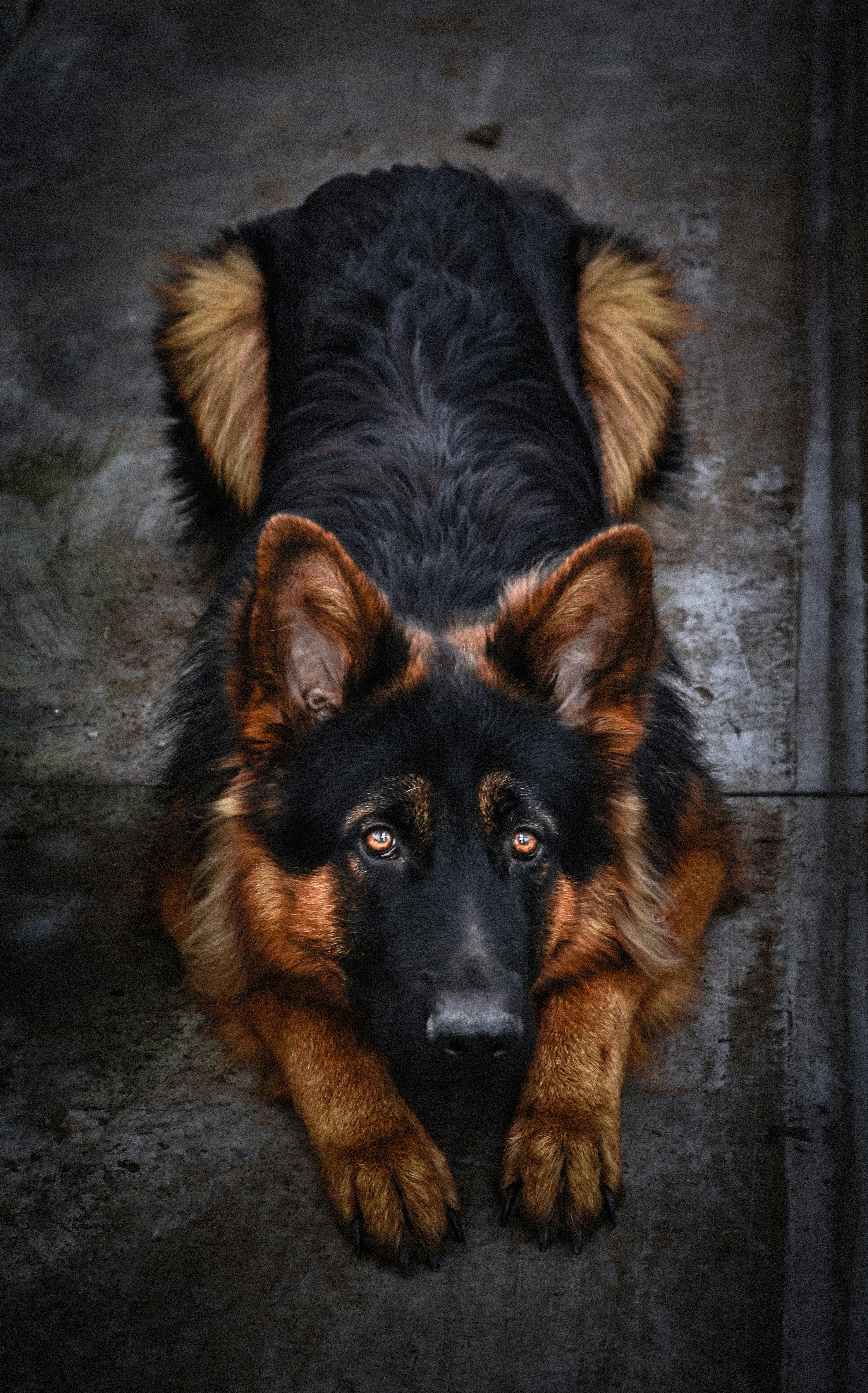
When to Worry vs. When It Is Normal
Before working through causes, check for red flags that need an immediate vet visit:
- Bloated or hard abdomen combined with retching that produces nothing. This may indicate gastric dilatation-volvulus (GDV), which is life-threatening in deep-chested breeds.
- Blood in stool or vomit
- Collapse, extreme weakness, or inability to stand
- Known ingestion of something toxic or a foreign object
If any of those apply, skip the rest of this article and go straight to your veterinarian. GDV in particular can become fatal within hours.
For puppies under six months, a single fully missed meal warrants a call to the vet. Young dogs dehydrate and lose blood sugar faster than adults, and their margin for waiting is much smaller.
If none of those apply and your dog is otherwise alert, drinking water, and behaving normally, you likely have some time to observe and troubleshoot.
Common Causes
Stress and Environmental Changes
German Shepherds are perceptive dogs. A move, a new family member, construction noise, a shift in household routine, or an owner’s absence can suppress appetite. Stressed Shepherds often show other signs too: pacing, panting, shadowing you around the house, or refusing to settle.
Most stress-related appetite loss resolves within a few days once the dog adjusts. If the source of stress is ongoing, consider whether your Shepherd needs more structure or a quieter feeding environment.
Heat
Appetite naturally drops in warm weather. A Shepherd carrying that heavy double coat eating less during summer is not unusual, as long as water intake stays normal and there are no other symptoms. The AKC notes that decreased appetite during hot weather is common and usually not cause for concern.
Illness or Pain
When a dog that normally eats well suddenly refuses food, a medical issue is the most likely explanation. PetMD lists dental pain, gastrointestinal upset, infections, and systemic illness among the most common medical reasons dogs stop eating. German Shepherds with hip or elbow dysplasia sometimes eat less on high-pain days, particularly if bending to a floor-level bowl is uncomfortable.
Loss of appetite is one of the earliest warning signs for many conditions. A dog can feel nauseated or have internal discomfort without showing dramatic symptoms. Frequent lip-licking, repeated swallowing, or grass eating often signal nausea even when there is no vomiting.
Medication Side Effects
Antibiotics, NSAIDs, and certain heartworm preventatives can suppress appetite or cause stomach upset. If your Shepherd recently started a new medication and stopped eating, check the side effect profile with your vet before assuming the problem is behavioral.
Picky Eating or Stale Food
Some Shepherds are choosier than their reputation suggests. A sudden food switch without a gradual transition can cause refusal. Even within the same brand, a new batch can taste different enough to trigger hesitation.
Dry kibble also loses its appeal over time. An open bag starts losing flavor within four to six weeks as the fat oxidizes. If the bag has been sitting around for over a month, staleness may be the simplest explanation.
New Food Transition
A too-fast switch to a different formula is one of the most common reasons for temporary refusal. The gut needs time to adjust, and some dogs refuse to eat what their stomach is not yet ready to process. Transition gradually over seven to ten days, mixing increasing amounts of the new food with the old.
What to Try First
If your Shepherd seems otherwise healthy — good energy, drinking water, no vomiting or diarrhea — these steps may help:
Warm the food slightly. A splash of warm water over kibble releases more aroma. Dogs choose food primarily by smell, and cold kibble straight from the bag has very little scent.
Offer a bland diet. Plain boiled chicken breast mixed with white rice is gentle on the stomach and appealing to most dogs. If your Shepherd eats the bland meal but refuses regular kibble, the issue is likely palatability rather than illness.
Check the kibble. When did you open the bag? Is it stored airtight? Has the brand recently changed its formula? Sometimes a fresh bag solves the problem.
Remove the food after fifteen minutes. For behavioral refusal, leaving food out all day teaches a dog that meals are always available. Put the bowl down, give fifteen minutes, then pick it up. Offer nothing until the next scheduled meal. Most healthy dogs correct themselves within a day or two. For more structure, see our feeding schedule guide.
Cut back on treats. If treats, training rewards, and table scraps are flowing throughout the day, your dog may simply not be hungry at mealtime.
Red Flags: When to Call the Vet
“If your dog hasn’t eaten in more than 24 hours, or if the loss of appetite is accompanied by vomiting, diarrhea, lethargy, or other signs of illness, contact your veterinarian.”
— AKC, Why Won’t My Dog Eat?
Use these thresholds as a general guide:
| Dog | Call the Vet After |
|---|---|
| Puppies (under 6 months) | 1 missed meal |
| Healthy adults | 24 hours with other symptoms, or 48 hours without symptoms |
| Senior dogs (7+) | 24 hours |
| Any dog with emergency signs | Immediately |
“Other symptoms” includes vomiting, diarrhea, lethargy, excessive drooling, weight loss, or changes in water intake. A dog that is not eating and not drinking is more urgent than one that skips food but stays hydrated.
How Long Is Too Long Without Eating?
A healthy adult German Shepherd can physically go several days without food. That does not mean you should wait that long. The twenty-four to forty-eight hour guideline exists because early intervention is nearly always better than a wait-and-see approach.
Puppies under six months and senior dogs have less margin. Their bodies burn through energy reserves faster, and dehydration sets in more quickly. When in doubt, call your vet. A phone consultation costs nothing and can save you a bigger problem later.
Frequently Asked Questions
My Shepherd only eats when I hand-feed. Is that a problem?
It depends on why. If your dog is in pain or feeling nauseated, hand-feeding may be the only way they will eat right now, and that is fine temporarily. If it has become a habit in an otherwise healthy dog, you are reinforcing a pattern. Try the fifteen-minute bowl method: set it down, walk away, pick it up when time is up. Most dogs adjust within two to three days.
Should I add toppers or mix-ins to get my dog to eat?
A small amount of warm water, low-sodium broth, or a spoonful of wet food can help with palatability. The risk is creating a dog that refuses plain kibble permanently. Use toppers as a short-term bridge while you identify the underlying cause, not as a long-term fix.
My Shepherd will not eat kibble but happily takes treats. What does that mean?
This almost always points to a behavioral issue rather than a medical one. A truly sick dog refuses all food. A dog that eagerly takes treats but ignores kibble is holding out for something tastier. Resist replacing meals with treats. Cut back on extras and stick to consistent meal times. If you need a more palatable base food, see our guide to the best food for adult German Shepherds.
Could the food bowl itself be the problem?
Possibly. Stainless steel bowls that slide on tile, deep narrow bowls that press against a Shepherd’s long muzzle, or bowls placed at an awkward height can all contribute to reluctance. Try feeding from a flat plate or a mat on the floor. Worth noting: raised bowls have been associated with increased GDV risk in some studies, so ground-level feeding is generally preferred for this breed.
For more on building a solid feeding routine, visit the complete feeding hub. If you suspect your dog ate something dangerous, check foods German Shepherds should never eat for the full toxicity reference.
Disclaimer: This content is for general informational purposes only and is not veterinary advice. Consult a licensed veterinarian for decisions about your dog's health, diet, or medical care. Read full disclaimer →
Related Articles
Foods German Shepherds Should Never Eat
A complete list of foods that are toxic or dangerous for German Shepherds. What's genuinely dangerous vs just not recommended.
German Shepherd Feeding Schedule by Age
Complete feeding schedule for German Shepherds from puppy to senior. When to feed, how often, and how to build a routine that works.
Best Food for German Shepherds with Sensitive Stomachs
Why German Shepherds are prone to digestive issues and how to choose the right food. Limited ingredient, probiotic, and novel protein strategies.