Most large-breed puppies switch to adult food somewhere between 12 and 18 months, but the right timing for your German Shepherd depends on growth, not a calendar. Switch too early and you cut short the nutritional support your dog’s bones and joints still need. Wait too long and those extra puppy-food calories start packing on unnecessary weight.
This is one of the most important feeding decisions you’ll make in your Shepherd’s first two years. Here’s how to get the timing right and make the transition smooth.
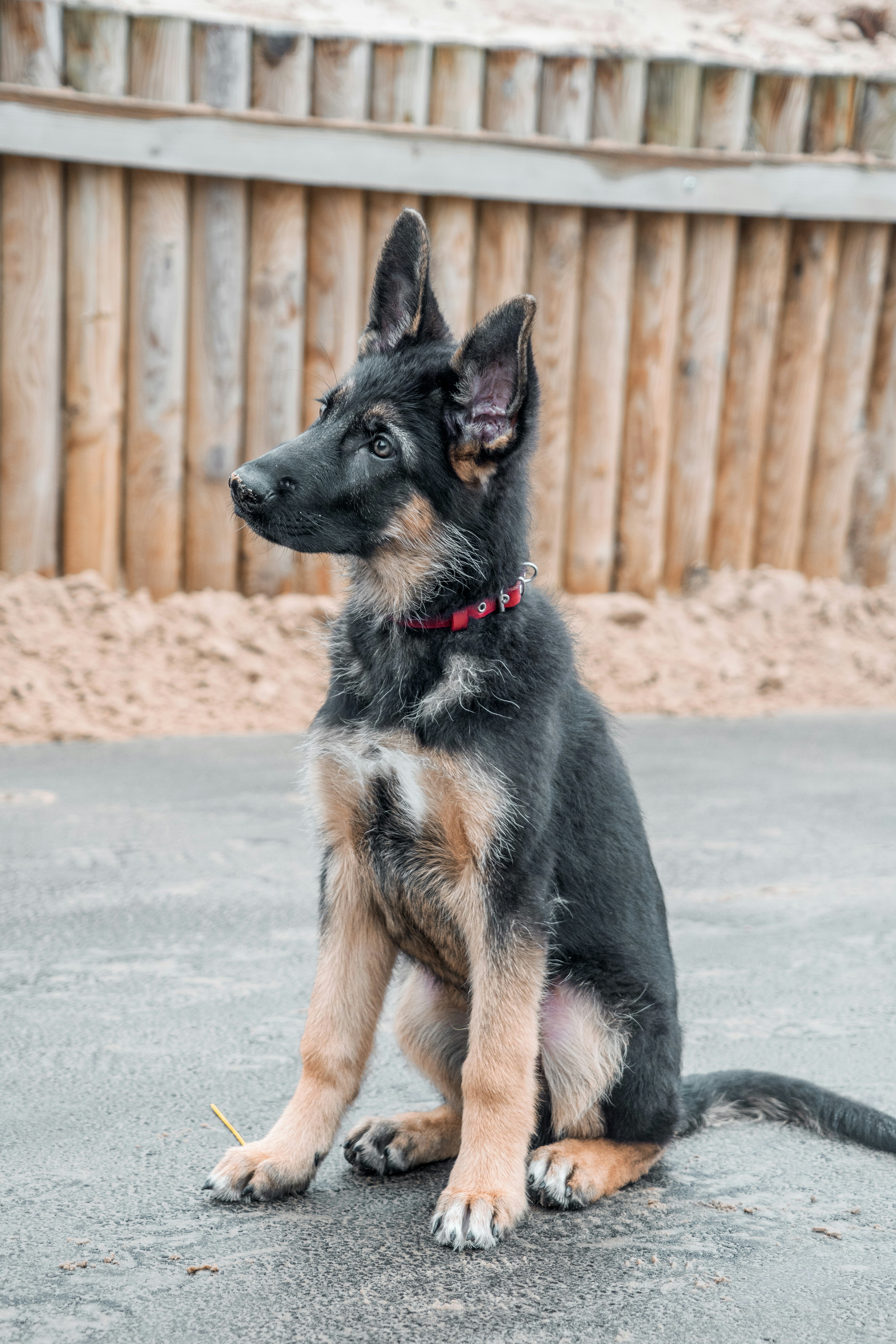
Why Large Breeds Need More Time
Puppy food exists for a reason. It’s engineered for rapid growth: higher calories, more calcium, extra fat, and carefully controlled calcium-to-phosphorus ratios that support proper bone development. Small breeds finish growing by 9 to 12 months. German Shepherds take significantly longer.
According to the AKC’s guide on transitioning by breed size, large and giant breeds should stay on puppy food longer than small and medium breeds because their skeletal development continues well past the one-year mark.
“Large and giant breed puppies grow at a much slower rate than smaller breeds and may not reach full maturity until 18 to 24 months of age. They should continue eating a large breed puppy food until they are fully grown.” — AKC
A peer-reviewed study on growth plate closure in dogs confirmed that growth plates in large breeds close later than in smaller breeds, with some not fully closing until 14 to 20 months. Switching to adult food before those plates close means your Shepherd loses the specific nutrient balance designed to support that final stage of skeletal development.
The Purina Institute’s research on optimal growth in large-breed puppies reinforces this point: controlled growth, not maximum growth, produces the healthiest outcomes for large breeds. Puppy food designed for large breeds keeps growth at the right pace. Adult food doesn’t offer that calibration.
The Realistic Window for German Shepherds
Ask five sources when to make the switch and you’ll get five answers:
| Source | Recommended Switch Age |
|---|---|
| Royal Canin | 15–24 months |
| Purina | 18–24 months (for dogs 50–100 lb) |
| AKC | ~15 months |
| PetMD | 12–14 months |
For most German Shepherds, 12 to 18 months is the realistic window. Smaller females on the lighter end of the breed standard may be ready closer to 12 months. Larger males, especially those from working lines that tend to fill out later, often benefit from staying on puppy food until 15 to 18 months.
A more reliable indicator than age alone: switch when your Shepherd has reached 80 to 90 percent of expected adult weight. For this breed, that means:
- Females (typically 50–70 lb adult weight): ready around 40–63 lb
- Males (typically 65–90 lb adult weight): ready around 52–81 lb
If you don’t know your dog’s projected adult size, look at the parents. If both were on the larger end, plan for a later switch.
Signs Your Shepherd Is Ready
Beyond weight, your dog will give you clues:
- Growth has visibly slowed. Monthly weigh-ins show minimal change. Your Shepherd isn’t noticeably bigger week to week anymore.
- Body proportions are filling out. The gangly puppy look is giving way to a more adult frame. Chest is deepening, legs look proportional to the body.
- Weight is creeping up on the same food. Puppy food calories that used to fuel growth are now being stored as fat. If your Shepherd is getting pudgy on the same portions, it’s time.
- Your vet confirms growth is plateauing. At a routine check-up, your vet can assess whether growth plates are closing. This is the most definitive indicator.
If you’re on the fence, ask your vet at the next visit. They can evaluate body condition and give you a specific recommendation rather than a generic age range.
How to Transition: The 7-to-14 Day Plan
Never swap foods overnight. A sudden change almost guarantees digestive upset: loose stool, gas, vomiting, or refusal to eat. German Shepherds already tend toward sensitive stomachs compared to many breeds, so a gradual transition is non-negotiable.
The AKC’s puppy feeding fundamentals guide recommends a gradual mix over at least 7 days:
| Day | Old Puppy Food | New Adult Food |
|---|---|---|
| 1–2 | 75% | 25% |
| 3–4 | 50% | 50% |
| 5–6 | 25% | 75% |
| 7+ | 0% | 100% |
Some Shepherds with sensitive stomachs do better with a 10-to-14-day transition where you move even more gradually. If your dog has had food sensitivities in the past, extend the timeline. There is no downside to going slower.
Mix both foods thoroughly in the bowl. Don’t put puppy food on one side and adult food on the other. Your Shepherd will eat around the new food every time.
What’s normal during the switch: Slightly softer stool for the first two to three days, minor decrease in appetite, a little extra gas. These usually resolve on their own.
What’s a concern: Watery diarrhea lasting more than 24 hours, vomiting more than once, complete refusal to eat for more than a day, or lethargy. If you see these, go back to the previous ratio (more puppy food, less adult food) and hold for a few days before advancing again. If problems persist, the specific adult formula may not agree with your dog.
What Happens If You Switch Too Early
Pulling a German Shepherd off puppy food at 8 or 9 months because a small-breed chart says so is a common mistake. Large-breed puppies grow for significantly longer than small breeds, and their bones need specific nutritional support during those final months of development.
Switching too early can mean your Shepherd misses the controlled calcium-to-phosphorus ratios designed for the last stage of bone growth. The consequences aren’t always immediately obvious, but the risk of developmental orthopedic issues is real. Adult food doesn’t provide the same calibration for growing bones.
If your Shepherd is still gaining weight steadily on a month-to-month basis and hasn’t hit that 80-to-90 percent threshold, stay on puppy food. There’s very little risk in waiting, and real risk in rushing.
What Happens If You Wait Too Long
The flip side is keeping your Shepherd on puppy food past 18 to 20 months “just to be safe.” By that point, the extra calories and nutrient levels in puppy formulas are working against you.
Excess calories from puppy food get stored as fat in a dog whose growth has already stopped. Extra calcium in particular can cause problems for large breeds whose growth plates have closed. If your Shepherd hit adult weight months ago and is gaining fat on the same puppy-food portions, you’ve waited too long.
The fix is simple: start the transition to a large-breed adult formula now, using the gradual plan above.
Choosing the Right Adult Food
Not all adult foods are created equal for this breed. Look for a large-breed adult formula rather than an all-breed or small-breed option. Large-breed formulas have controlled calcium and phosphorus levels and appropriate calorie density for dogs in the 50-to-90-pound range.
You’ll sometimes see foods labeled “all life stages,” meaning they meet AAFCO nutrient profiles for both puppies and adults. These can work, but many vets prefer a dedicated large-breed puppy food followed by a dedicated large-breed adult food for German Shepherds. The mineral levels in size-specific formulas are more precisely calibrated.
For specific product recommendations, check our feeding hub.
Frequently Asked Questions
Can I switch my German Shepherd to adult food at 12 months?
Some Shepherds are ready at 12 months, particularly smaller females who have reached 80 to 90 percent of their adult weight. However, many benefit from staying on large-breed puppy food until 15 to 18 months. Check your dog’s growth curve and ask your vet before making the switch.
What happens if I switch from puppy to adult food too early?
Switching too early can mean your Shepherd misses the specific calcium-to-phosphorus ratios designed for the final stages of bone development. The risk is higher for larger males who mature later. If in doubt, staying on puppy food a bit longer is generally safer than switching too soon.
How do I know if the new adult food agrees with my Shepherd?
Give it at least two to three weeks after completing the transition. Signs the food is working well include firm stool, consistent energy levels, a healthy coat, and stable weight. Persistent loose stool, excessive gas, or a dull coat after three weeks suggests the formula isn’t a good fit for your dog.
Should I change portion sizes when I switch to adult food?
Usually, yes. Adult food and puppy food have different calorie densities, so the same cup measurement delivers more or fewer calories depending on the brand. Check the feeding guidelines on the new food’s packaging and adjust based on your Shepherd’s target adult weight. For specific portion guidance, see the adult feeding guide.
Disclaimer: This content is for general informational purposes only and is not veterinary advice. Consult a licensed veterinarian for decisions about your dog's health, diet, or medical care. Read full disclaimer →
Related Articles
Best Food for Adult German Shepherds
What adult German Shepherds actually need from their food. Protein, fat, joint support, label reading, and formulas that work for this breed.

Best Puppy Food for German Shepherds
Top 5 puppy foods for German Shepherds. Large-breed formulas with controlled calcium, joint support, and digestible proteins for German Shepherd puppies.
How Much to Feed a German Shepherd Puppy
Feeding amounts for German Shepherd puppies by age, from 8 weeks to 12 months. Cups per day, meal frequency, and when to adjust.