Best German Shepherd Food
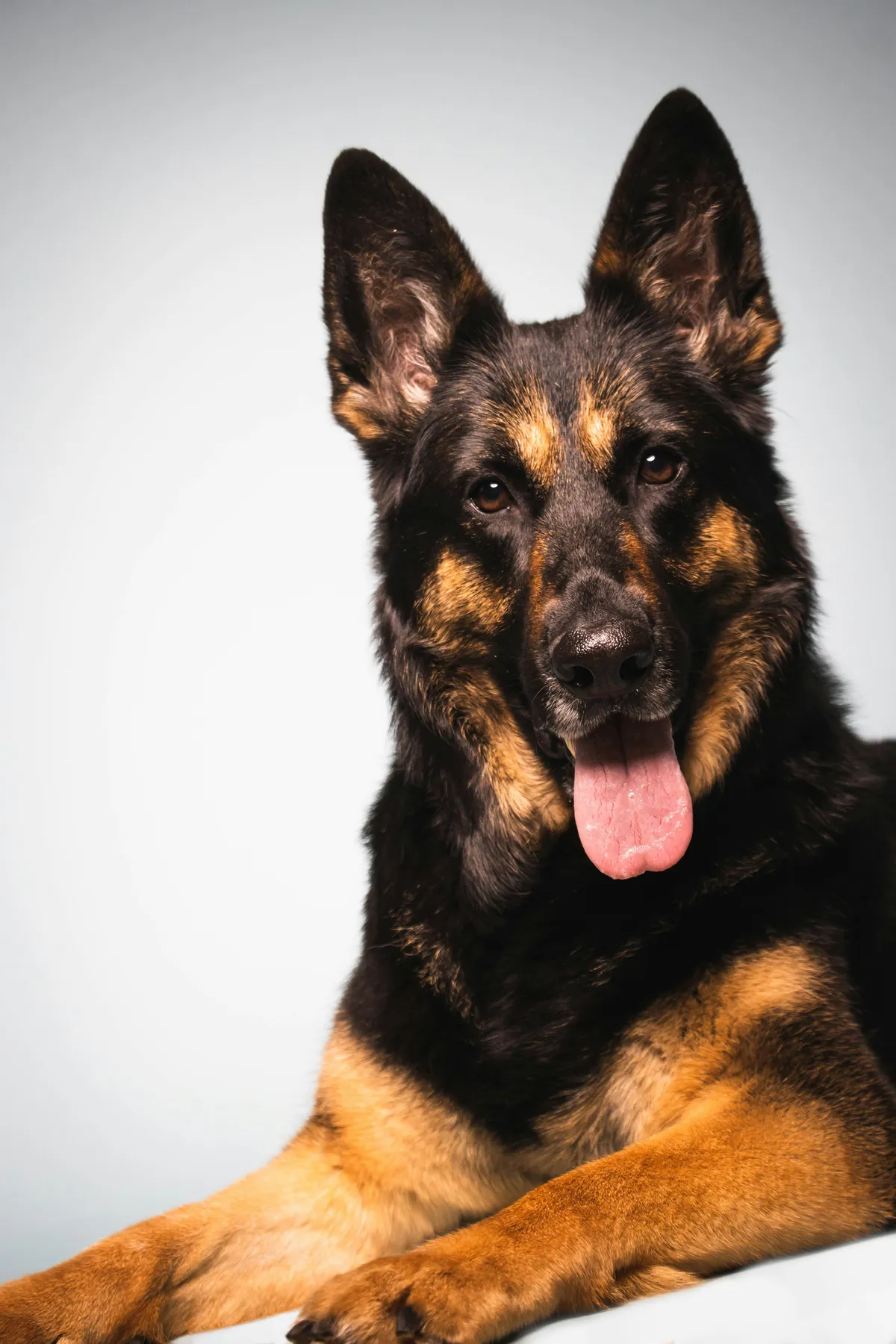
Most people picture German Shepherds as dogs that will eat anything you put in front of them. Many are exactly that. But picky eating is more common in the breed than the reputation suggests. Shepherd forums are full of owners describing the same frustration: a healthy dog that sniffs the bowl, walks away, and stares at you like you have served cardboard.
If your Shepherd is turning up their nose at dinner, you are not alone. And in most cases, the fix is simpler than you think.
Rule Out Medical Causes First
Before assuming your dog is just being difficult, make sure something physical is not driving the refusal. Picky eating that starts suddenly, especially in a dog that previously ate well, deserves a closer look.
Common medical reasons a Shepherd may refuse food:
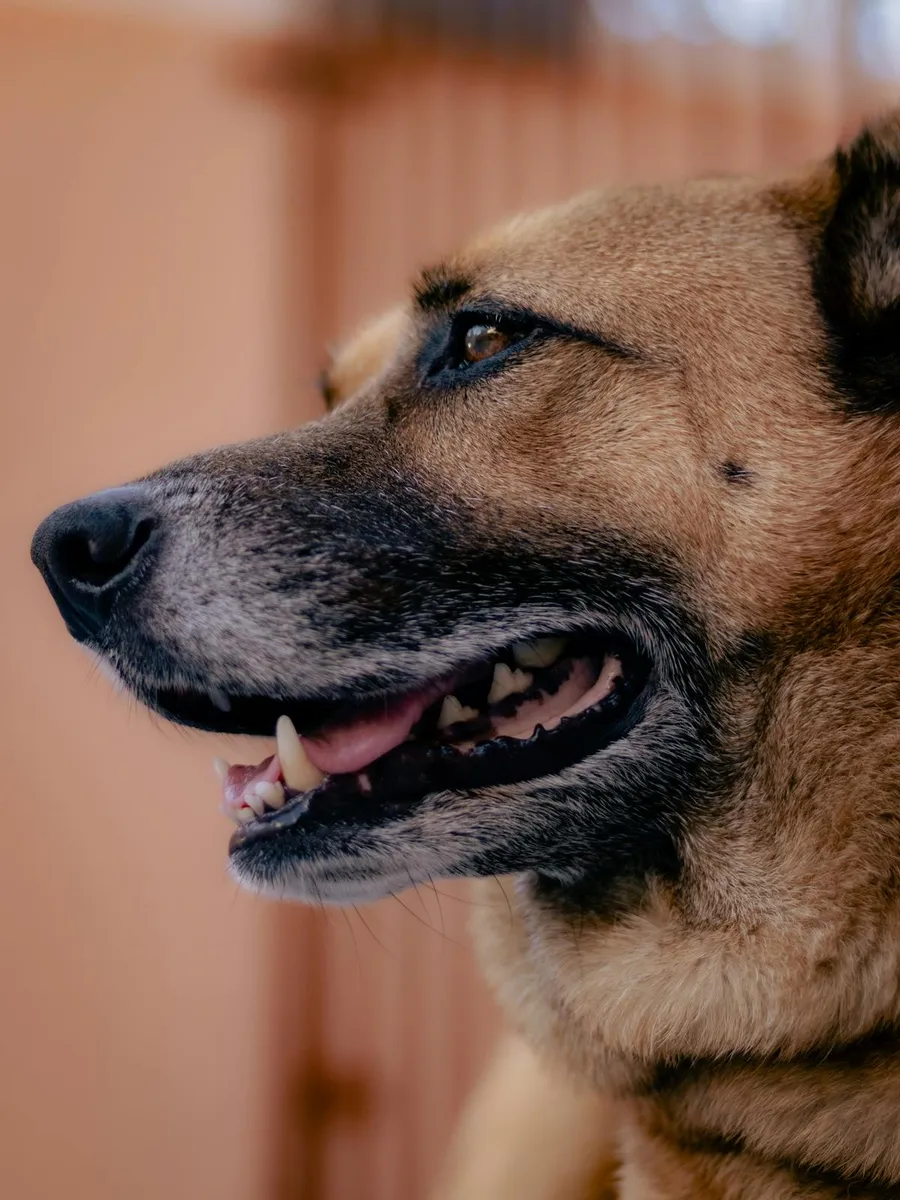
- Dental pain from cracked teeth, gum infections, or oral masses that make chewing uncomfortable
- Intestinal parasites that cause nausea and appetite changes
- Infections (bacterial, viral, or fungal) that often suppress appetite early before other symptoms show
- Post-vaccination effects, where a day or two of reduced appetite after shots is normal
- Gastrointestinal sensitivity, which is relatively common in the breed and can make certain kibbles unappealing
If your dog has skipped meals for twenty-four to forty-eight hours, seems lethargic, has vomiting or diarrhea, or shows any other signs of illness, contact your vet before trying behavioral fixes. Puppies under six months warrant a call even sooner.
“Changes in appetite can be an early indicator of illness. If a dog that normally eats well suddenly becomes selective or refuses food altogether, a veterinary examination is warranted to rule out underlying medical causes.”
Once your vet gives the all-clear, you are most likely dealing with preference rather than pathology.
Why Picky Eating Is Common in the Breed
German Shepherds have a reputation for being food-driven, but individual variation is wide. Some Shepherds are selective from puppyhood. Others develop preferences as adults, particularly around the one-year mark when growth slows and calorie needs drop. A young Shepherd that used to inhale two meals a day and now picks at one is often not picky at all. They just need less food than they did three months ago.
Stress and anxiety also play a role. Shepherds are sensitive, handler-focused dogs. Changes in routine, a new household member, separation anxiety, or even tension in the home can suppress appetite. According to the ASPCA, anxiety-related behavior changes in dogs frequently include reduced appetite. If the pickiness started alongside a life change, that connection is worth considering.
As long as your vet confirms weight and body condition are on track, a naturally lower appetite in a young adult is not a problem to fix.
Strategies That Work for Picky Shepherds
These approaches come from experienced Shepherd owners and align with AKC nutrition guidance. None require expensive products or drastic changes. Work through them in order, starting with the simplest.
| Day | What to Try | Why It Works |
|---|---|---|
| Days 1–2 | Warm the kibble with a splash of water | Releases aroma, costs nothing, fixes a surprising number of cases |
| Days 1–5 | Fifteen-minute bowl + zero treats between meals | Resets expectation that something better is coming |
| Day 3 onward | Walk or play session 30 min before meals | Physical activity stimulates appetite naturally |
| Day 5 onward | One consistent topper at ≤10% of diet | Adds interest without training a food snob |
| Day 7+ | Still refusing? Call the vet. | Behavioral fixes rarely take more than a week in healthy dogs |
The Fifteen-Minute Rule
This is the single most effective fix for picky eating, and nearly every veterinary nutritionist recommends it.
“Put food out for a set amount of time — usually 15 to 20 minutes — and then pick it up. Offer nothing else until the next scheduled meal.”
— AKC, How to Get a Picky Dog to Eat
Put the food down. Give fifteen minutes. If your dog does not eat, pick the bowl up and offer nothing until the next meal. No treats between meals. No table scraps.
It sounds harsh, but a healthy dog will not starve itself. What this teaches is that meals happen on your schedule. Most owners see a clear change within three to five days. It works.
Warm the Food
Cold kibble straight from the bag has minimal aroma. Warming food releases more scent, and dogs choose food primarily by smell. A small splash of warm water over the kibble, left to sit for two minutes, is often enough. This one change fixes the problem for some Shepherds.
Add a Topper, but Keep It Under 10%
A spoonful of wet food stirred into kibble, a splash of low-sodium bone broth, or a sprinkle of freeze-dried meat can make a meal more appealing. PetMD recommends that toppers make up no more than 10% of the diet, with the base food providing at least 90% of daily calories.
The risk is escalation. If you keep adding something new every time your dog gets bored, you train a dog that holds out for better options. Pick one topper and stay consistent.
Create a Quiet Feeding Spot
Shepherds are alert, watchful dogs. A busy kitchen during dinner prep, children running through, or another pet hovering nearby can be enough distraction for a meal to get skipped. Try feeding in a calmer location. Some dogs eat better in a crate or a separate room where they can relax without monitoring the household.
Use Exercise to Build Appetite
A well-exercised Shepherd is usually a hungry one. If your dog is skipping meals, try feeding within thirty minutes after a walk or play session. The physical activity naturally stimulates appetite. For a breed that needs at least sixty to ninety minutes of daily exercise, insufficient activity can dull hunger just as much as overfeeding can.
Rotate Proteins, Not Brands
Switching to a completely different food every time your dog gets bored creates a cycle that never ends. Instead, try rotating proteins within the same brand: chicken one bag, lamb the next, fish after that. Enough variety to keep meals interesting without disrupting digestion or training your dog to expect constant novelty. Our dry vs raw vs wet comparison covers how different food formats affect palatability.
Common Mistakes That Make Picky Eating Worse
Some common reactions to picky eating backfire:
Do not free-feed. Leaving food out all day removes any urgency to eat and any structure around mealtimes. Scheduled meals are better for digestion and for establishing habits.
Do not hand-feed a healthy adult dog. It feels caring, but it trains your Shepherd to expect the personal service. Reserve hand-feeding for puppies, seniors, or dogs recovering from illness.
Do not keep swapping foods rapidly. Frequent switches cause digestive upset and reinforce the expectation that something better is coming. If you need to change foods, transition gradually over seven to ten days.
Do not use human food as a bribe. Once your Shepherd learns that refusing kibble leads to chicken breast or cheese, you have lost that negotiation permanently. The dog now knows exactly how to get what it wants. And Shepherds figure this out fast.
When Picky Eating Means a Vet Visit
Picky eating crosses into veterinary territory when:
- Your dog has not eaten anything for forty-eight hours or more
- There is noticeable weight loss over a few weeks
- Refusal comes with vomiting, diarrhea, or lethargy
- Your dog wants to eat but seems unable to, which suggests pain
- A previously enthusiastic eater stops suddenly with no obvious cause
Persistent appetite changes can be an early sign of conditions that are not immediately obvious. Your vet can run bloodwork and a physical exam to rule out underlying issues. According to the Merck Veterinary Manual, appetite changes that persist beyond a few days warrant investigation, particularly in breeds prone to gastrointestinal sensitivity.
It is always better to check and find nothing than to assume behavior and miss something medical.
For more on feeding this breed well, visit the complete German Shepherd food guide. If your Shepherd has stopped eating entirely, see our deeper guide on why your German Shepherd is not eating.
Disclaimer: This content is for general informational purposes only and is not veterinary advice. Consult a licensed veterinarian for decisions about your dog's health, diet, or medical care. Read full disclaimer →
Follow new work
A new guide every week or so.
Roughly one new guide every week or so. Cost data, feeding research, breed health — sourced and dated. By Sam, in Belgium.
Related Articles
Best Food for Adult German Shepherds
What adult German Shepherds actually need from their food. Protein, fat, joint support, and four formulas reviewed with a side-by-side comparison table.

Best Wet Food for German Shepherds
Six wet food options for German Shepherds reviewed with real costs, hydration benefits, and portioning advice. Topper and full-diet approaches compared.
Dry vs Raw vs Wet Food for German Shepherds
Kibble, raw, and wet food compared for German Shepherds. Research-backed pros, cons, costs, and safety data so you can pick the right diet with confidence.
German Shepherd Eating Too Fast — Solutions
Speed eating raises bloat risk in German Shepherds by up to five times. Slow feeder bowls, split meals, and other proven strategies to protect your dog.

German Shepherd Not Eating — What to Check
Why your German Shepherd stopped eating and what to do about it. Medical causes, behavioral triggers, exercise and appetite links, and when to call the vet.