German Shepherd Breed Guide
It is the Fourth of July, New Year’s Eve, or a summer thunderstorm. Your Shepherd is trembling behind the toilet, panting so hard you can hear it from the next room, clawing at the door to get out. Or get in. Or just get somewhere else.
Noise phobia is common in dogs generally, but the breed’s alert, sensitive nature makes them particularly susceptible. These are dogs bred to notice everything in their environment. That vigilance is an asset on the job. During a fireworks display, it becomes a liability.
The good news: noise phobia responds to treatment. Both immediate management and long-term strategies can make a meaningful difference — and modern veterinary medicine has options that didn’t exist a decade ago.
Why Shepherds Are Prone
The breed was developed to be keenly aware of their surroundings. They hear sounds most people miss. They react to changes in environment that other dogs ignore. This heightened alertness is part of what makes them outstanding working dogs and also what makes them more vulnerable to noise sensitivity.
Noise sensitivity has a documented genetic component and tends to worsen with age if not addressed. Shepherds are among the breeds frequently cited in noise-phobia research, though the strongest predictors are individual temperament and exposure history rather than breed alone.
There’s also a strong link between noise phobia and other anxiety conditions. Dogs with fearfulness more broadly are more likely to also have noise phobia, and vice versa. The underlying anxiety is the common thread — which is why a global anti-anxiety strategy (calmer baseline, predictable routine, daily medication in severe cases) often helps the noise problem too.
Recognizing the Signs
Some signs are obvious. Others are subtle enough to miss.
During a noise event:
- Panting, drooling, trembling
- Hiding (behind furniture, in bathrooms, in closets)
- Pacing and inability to settle
- Trying to escape (scratching at doors, windows, fences)
- Barking or whining
- Clinging to the owner
- Refusing food or treats
- Dilated pupils, ears pinned back
Signs of escalation over time:
- Reacting to increasingly distant or quiet sounds
- Anxiety starting before the noise event (darkening skies or pressure drops)
- Destructive escape attempts that risk self-injury
- Taking longer to recover after the noise stops
“Noise phobias in dogs tend to worsen over time without intervention. Early treatment produces better outcomes.”
— Overall KL, Manual of Clinical Behavioral Medicine for Dogs and Cats
Noise phobia that causes destructive escape attempts is dangerous. Dogs have broken through windows, jumped fences, and injured themselves severely trying to flee sounds they can’t escape. If your dog’s reaction is this extreme, professional help and medication are not optional.
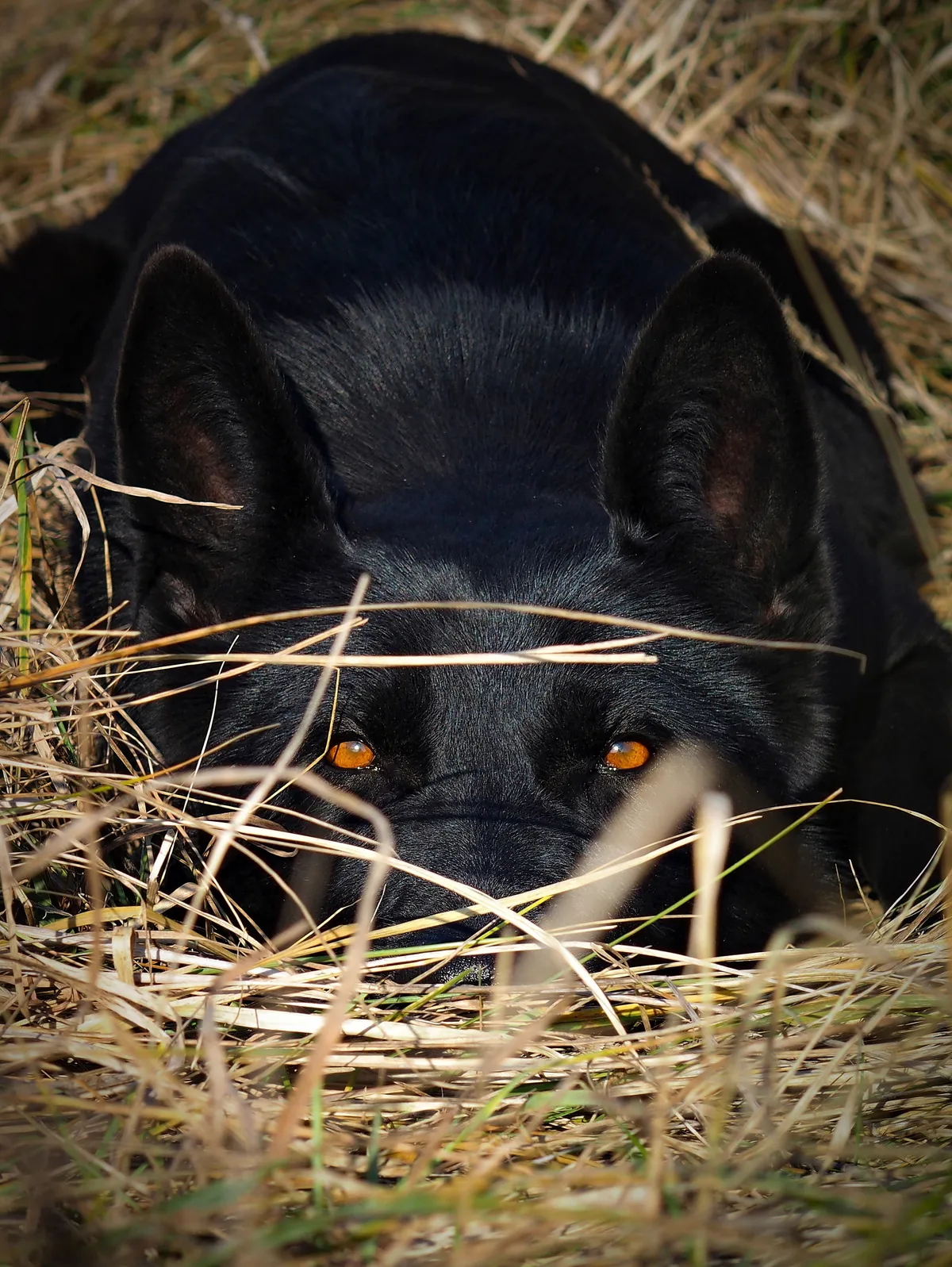
Immediate Help During a Noise Event
When the storm is already here or the fireworks have started, these strategies can reduce distress.
Create a Safe Space
Most noise-phobic dogs seek out a hiding spot on their own. Help them. An interior room with no windows (a bathroom or closet) muffles sound best. If your dog is crate trained and the crate is a comfort zone, leave it open in a quiet area with a blanket draped over it.
Don’t force the dog into any space. Let it choose. If it wants to hide behind the couch, let it hide behind the couch.
Use White Noise or Music
A fan, white noise machine, or calming music can partially mask the sounds. Classical music played at moderate volume has shown some benefit in studies. The goal isn’t to drown out the noise completely but to reduce the contrast between quiet and loud.
Compression Wraps
Products like the ThunderShirt apply gentle, constant pressure around the dog’s torso. The mechanism is similar to swaddling an infant. Not every dog responds, but many owners report a noticeable calming effect. A snug-fitting t-shirt can provide a similar effect in a pinch.
Stay Calm
Your Shepherd reads you. If you’re anxious about the dog’s anxiety, you amplify the problem. Act normal. Speak in a calm, neutral tone. It’s fine to comfort the dog. The old advice about “reinforcing fear by comforting” has been debunked by veterinary behaviorists — you cannot reinforce an emotion. What you can do is be a reliable source of safety.
Don’t Force Exposure
Dragging the dog outside during fireworks to “show it there’s nothing to be afraid of” does not work. It makes the phobia worse. The dog is in a panicked state and can’t learn anything productive. All forced exposure teaches is that you aren’t a safe source of relief.
Medication Options — What Vets Actually Prescribe
For moderate to severe noise phobia, medication is often the most compassionate option. This is not about sedating the dog. Modern anti-anxiety medications work by reducing the panic response so the dog can function and so behavior modification can actually take hold.
Common noise-phobia medications — onset, duration, and how they’re used
| Medication | Type | Onset | Duration | Used for |
|---|---|---|---|---|
| Sileo (dexmedetomidine oromucosal gel) | Alpha-2 agonist, FDA-approved for canine noise aversion | ~30 min | ~2–3 hr | Predictable acute events (single fireworks display, single storm). Syringe between cheek and gum. |
| Trazodone | Serotonin modulator, off-label | 1–3 hr | 4–8 hr | Acute events, vet/grooming visits, longer evenings. Most-prescribed off-label noise med. |
| Gabapentin | Anticonvulsant with anxiolytic effect, off-label | 1–2 hr | 6–8 hr | Often combined with trazodone for severe cases or noise-phobic dogs with comorbid pain |
| Fluoxetine / sertraline (SSRI) | Daily anxiolytic | 4–6 weeks to full effect | Continuous | Generalized anxiety baseline — used alongside event-day meds, not instead of them |
| Acepromazine | Phenothiazine sedative — AVOID for noise phobia | 30–60 min | 6–8 hr | Sedates body without reducing fear. Veterinary behaviorists actively recommend against. |
A few rules that apply across all of the above:
- Always trial a new medication on a calm day first. You need to know how your dog responds before the actual event. Some dogs become drowsy, some agitated, a small minority paradoxically anxious.
- Sileo and trazodone require a veterinary prescription. Don’t borrow another dog’s meds.
- Event meds work best when given 1–2 hours before expected noise. Trying to medicate a dog mid-panic is too late and stressful for everyone.
- Combine with behavior modification, not as a replacement for it. The medication lowers the volume; the behavior work teaches the dog the world is survivable.
“Pharmacological intervention, combined with behavior modification, produces the best outcomes for noise phobias in dogs.”
— American Veterinary Medical Association, Noise Aversion guidance
For severe cases, a referral to a veterinary behaviorist (DACVB) provides the most comprehensive treatment plan and the broadest medication options.
Long-Term Desensitization
The goal is to change the dog’s emotional response to the triggering sounds. Weeks to months of consistent work, ideally started well before the next noise event.
- Find high-quality recordings of the triggering sounds (thunderstorms, fireworks). Widely available online.
- Play the recording at a volume so low the dog barely notices. Watch for any signs of anxiety. If the dog is relaxed, reward with treats and calm praise.
- Gradually increase volume across sessions over days and weeks. Pace is determined by the dog. Any signs of stress, drop volume back to a comfortable level.
- Pair the sound with something the dog loves. Recordings play during meals, during play, during training with high-value treats.
The process requires patience. Rushing it sets the dog back. The AKC’s guide on noise aversion provides additional detail on structured desensitization.
A critical limitation: recordings lack the full sensory experience of a real storm. They don’t replicate barometric pressure changes, static electricity, vibrations, or flashing light. A dog that does well with recordings may still react to the real event, though usually less severely. Storm phobia in particular tends to plateau at “manageable” rather than “cured.”
Preparation Checklist for Predictable Events
Fireworks (Fourth of July, New Year’s Eve, local celebrations) and seasonal thunderstorms are predictable. Prepare before the event, not during.
2–4 weeks before: Trial any prescribed medication at a calm time to gauge your dog’s response. Refill prescriptions. Test the safe room — make sure the dog is comfortable in it on an ordinary day.
Day before: Exercise the dog heavily. A tired dog handles stress better. Set up the safe room: interior space, white noise machine, blankets, water, high-value chew. Charge phone, check that ID tags and microchip info are current (in case the dog does escape).
Day of: Exercise again in the morning or early afternoon. Give event-specific medication at the timing your vet recommended (typically 1–2 hours before expected noise). Close windows and curtains. Turn on white noise or music. Put on the compression wrap if your dog uses one.
During: Stay calm. Stay home if possible. Let the dog choose its safe spot. Offer comfort without hovering. Do not open doors to the outside — panicked dogs bolt.
After: Let the dog recover at its own pace. Some dogs bounce back in minutes. Others need hours. Don’t rush.
What to Avoid
- Punishment. Scolding a terrified dog for hiding, barking, or having an accident makes the fear worse and damages trust.
- Forced exposure. Taking the dog to a fireworks show or making it stay outside during a storm is cruel, not therapeutic.
- Acepromazine alone. This older sedative is sometimes still prescribed for noise phobia, but veterinary behaviorists generally advise against it as a standalone. It sedates the body without reducing fear, meaning the dog is still terrified but physically unable to respond. Most modern protocols use Sileo, trazodone, or gabapentin instead.
- Boarding during fireworks events. Noise-phobic Shepherds at unfamiliar kennels during noise events frequently injure themselves trying to escape. Stay home or arrange in-home pet sitting.
- Ignoring the problem. Noise phobia worsens with repeated unmanaged exposure. Each bad experience makes the next one worse.
For related challenges, see general fearfulness, reactive vs aggressive behavior, resource guarding, overprotective behavior, and chewing (anxiety-driven chewing often spikes around noise events).
Sources
- Salonen M et al. Prevalence, comorbidity, and breed differences in canine anxiety in 13,700 Finnish pet dogs. Scientific Reports 2020, 10:2962. nature.com. Source of 32% noise-sensitivity prevalence.
- Overall KL. Manual of Clinical Behavioral Medicine for Dogs and Cats. Elsevier, 2013. Standard reference for veterinary behavior medication protocols.
- Sileo prescribing information. Zoetis. zoetisus.com. FDA-approved indication for noise aversion.
- Gruen ME et al. Use of trazodone as an adjunctive agent in the treatment of canine anxiety disorders: 56 cases (1995–2007). J Am Vet Med Assoc 2008. Off-label trazodone evidence.
- American Veterinary Medical Association. Noise Aversion guidance. avma.org.
- American Kennel Club. Noise Aversion in Dogs. akc.org.
- Merck Veterinary Manual. Behavioral Problems of Dogs. merckvetmanual.com.
- American College of Veterinary Behaviorists. Find a DACVB. dacvb.org.
Follow new work
A new guide every week or so.
Roughly one new guide every week or so. Cost data, feeding research, breed health — sourced and dated. By Sam, in Belgium.
Related Articles
German Shepherd Scared of Everything — Building Confidence
Fearful German Shepherd: socialization window, two fear periods, why flooding backfires, and the 5-step counter-conditioning protocol that works.
German Shepherd Overprotective of Owner — What to Do
Overprotective German Shepherd behavior explained: the resource-guarding reality, nerve strength in working lines, and a 5-phase visitor protocol that works.
Is My German Shepherd Reactive or Aggressive?
Reactive vs aggressive German Shepherd: body-language matrix, the 4-distance recovery test, Dunbar bite scale, and when a DACVB is required.